
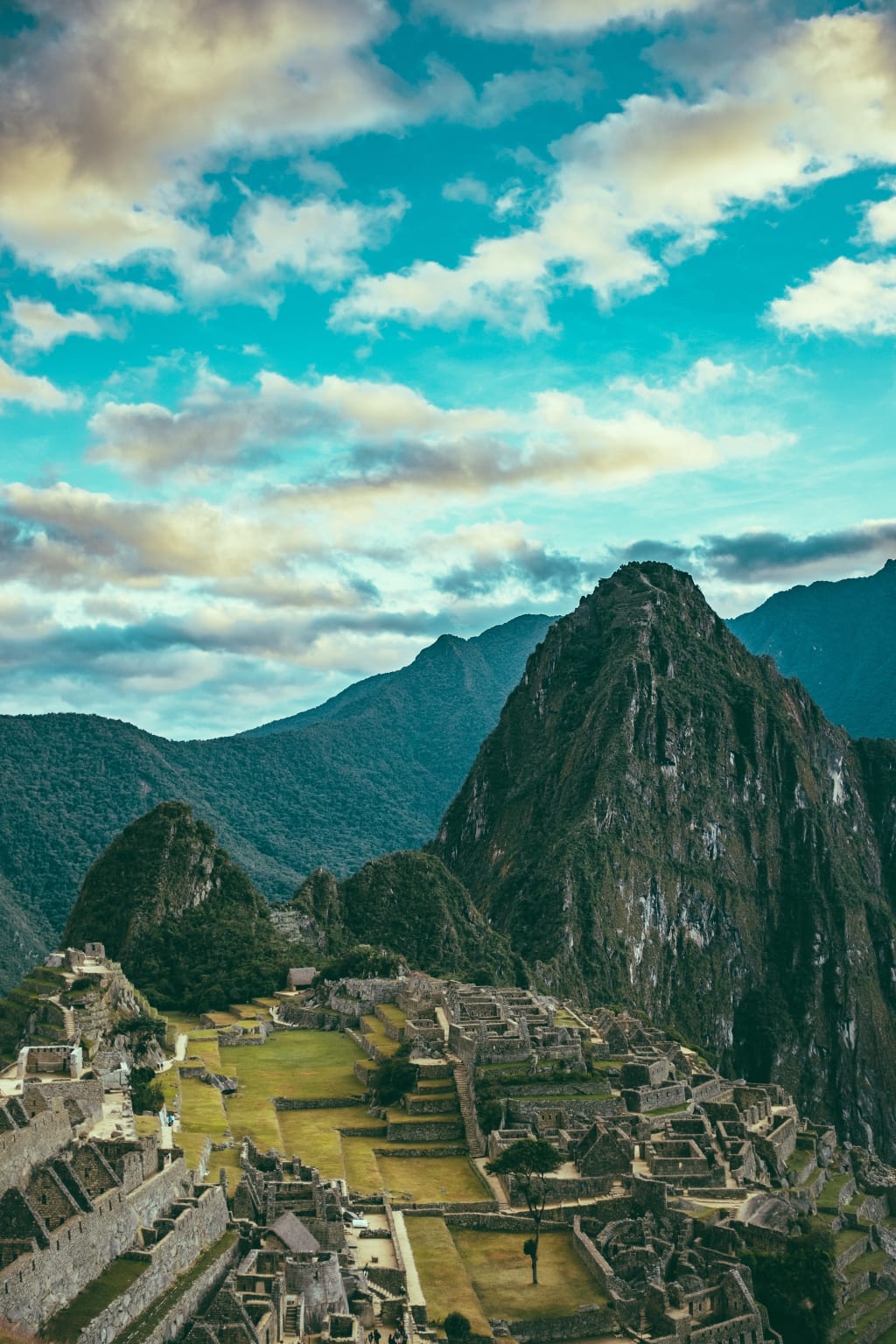
Ciudad Perdida (Lost City), Colombia: Exploring an Ancient Marvel
Ciudad Perdida, also known as the Lost City, is a captivating archaeological site hidden deep within the Sierra Nevada de Santa Marta mountains of Colombia. This ancient city, believed to have been established around the 9th century, offers a unique glimpse into the indigenous cultures that once thrived in the region. In this article, we will delve into the historical significance of Ciudad Perdida, the experience of trekking to the site, its architectural marvels, and ongoing conservation efforts.
Introduction
Nestled amidst dense jungles and rugged terrain, Ciudad Perdida is a testament to the rich history and cultural heritage of Colombia. Discovered in 1972, it remains a fascinating destination for adventurers and history enthusiasts seeking to uncover the mysteries of the past.
Historical Significance of Ciudad Perdida
Discovery and Indigenous Origins
Ciudad Perdida was discovered by a group of local treasure hunters, who stumbled upon its stone terraces and intricate pathways. It is believed to have been built by the Tayrona civilization, an indigenous culture that flourished in the region long before the arrival of the Spanish conquistadors. The city's construction is a testament to the advanced architectural and engineering skills of its creators.
Cultural Significance
For the indigenous communities of the Sierra Nevada de Santa Marta, Ciudad Perdida holds great cultural and spiritual significance. It is considered a sacred place, deeply connected to their ancestral roots and traditions. Visitors have the opportunity to learn about their way of life, rituals, and the deep respect they hold for the natural environment.
Trekking to Ciudad Perdida
The Route and Scenic Beauty
Reaching Ciudad Perdida involves embarking on a multi-day trek through challenging terrain. The trek typically takes four to six days, leading adventurers through dense rainforests, crossing rivers, and ascending steep mountain slopes. Along the way, trekkers are treated to breathtaking vistas, lush landscapes, and encounters with diverse flora and fauna.
Challenges and Preparations
Trekking to Ciudad Perdida requires physical fitness and mental preparedness. The journey can be physically demanding, and trekkers should be ready for long hikes and changing weather conditions. It is essential to pack appropriate gear, including sturdy footwear, insect repellent, and sufficient water. Engaging the services of experienced guides and tour operators is highly recommended for a safe and fulfilling experience.
Exploring the Lost City
Architectural Marvels
Arriving at Ciudad Perdida is a truly awe-inspiring experience. The city consists of terraces, stone structures, and plazas interconnected by stone pathways. These architectural marvels showcase the ingenuity of the Tayrona civilization, with intricate carvings and sophisticated irrigation systems that demonstrate their advanced knowledge of engineering and urban planning.
Connection to Indigenous Communities
The Lost City continues to have a profound connection to the indigenous communities of the Sierra Nevada de Santa Marta. It serves as a place of pilgrimage and spiritual significance for these communities. Exploring the site provides an opportunity to interact with indigenous people, learn about their customs and traditions, and gain a deeper understanding of their enduring heritage.
Conservation and Preservation
Recognizing the importance of preserving this cultural treasure, conservation efforts have been implemented to protect Ciudad Perdida. Sustainable tourism practices, including visitor limits and regulations, aim to minimize the impact on the site and its surrounding ecosystem. Local communities actively participate in the conservation efforts, emphasizing the importance of maintaining the delicate balance between cultural heritage and environmental preservation.
Conclusion
Ciudad Perdida, the Lost City of Colombia, is an extraordinary destination that offers a unique blend of historical significance, natural beauty, and cultural immersion. Trekking through the lush jungles and exploring the ancient architectural wonders provide an unforgettable experience. By valuing and preserving this ancient marvel, we can continue to appreciate the enduring legacy of the Tayrona civilization and the profound connection between humanity and the natural world.
Frequently Asked Questions (FAQs)
Q1. Is it safe to visit Ciudad Perdida?
Visiting Ciudad Perdida is generally safe, but it's essential to travel with experienced guides and reputable tour operators who prioritize safety and follow established trekking routes. Adhering to their guidance and being mindful of your surroundings ensures a safe and enjoyable experience.
Q2. Can anyone undertake the trek to Ciudad Perdida?
While the trek to Ciudad Perdida requires physical fitness and endurance, it is accessible to most people with a reasonable level of health and fitness. However, it's advisable to consult with a healthcare professional before undertaking the trek, especially if you have any pre-existing medical conditions.
Q3. What should I pack for the trek to Ciudad Perdida?
Packing essentials include comfortable hiking shoes, lightweight and breathable clothing, a rain jacket, insect repellent, a sun hat, sunscreen, a refillable water bottle, and a small backpack. It's important to pack light but carry enough supplies for the duration of the trek.
Q4. Are there accommodation facilities near Ciudad Perdida?
Accommodation during the trek to Ciudad Perdida is primarily in rustic jungle lodges or campsites. These accommodations provide basic amenities such as beds, mosquito nets, and communal dining areas. It's important to have realistic expectations and embrace the immersive nature of the trek.
Q5. How can I contribute to the preservation of Ciudad Perdida?
Responsible tourism is crucial for the preservation of Ciudad Perdida. By respecting the site, following designated paths, and adhering to the guidelines provided by guides and authorities, visitors can minimize their impact on the environment and cultural heritage. Supporting local communities and engaging in sustainable practices further contributes to the preservation of this ancient marvel.
About the Creator
US Warns Airlines About Military Activity in Parts of Latin America
Commercial aviation is built on predictability—clearly defined airspace, coordinated air traffic control, and shared international rules. When that predictability is disrupted, even subtly, the ripple effects can stretch far beyond the cockpit. That is exactly why a recent warning from the United States has caught the attention of airlines, governments, and travelers alike. In early 2026, US aviation authorities issued an advisory warning airlines about military activity in parts of Latin America, urging pilots to exercise heightened caution when flying over certain regions. While no immediate restrictions or flight bans were imposed, the message itself was clear: something in the skies has changed, and the risks—however limited—can no longer be ignored. This development is not just about aviation safety. It reflects a growing intersection between geopolitics, military operations, and civilian infrastructure in a region that has long balanced cooperation with tension. What Exactly Did the US Warn About? The advisory, released through official aviation safety channels, highlighted concerns over potential military activity affecting airspace across parts of Mexico, Central America, South America, and nearby oceanic regions. Airlines were advised to remain vigilant during all phases of flight, including cruising at high altitudes, takeoff, and landing. Unlike routine notices related to weather systems or airport congestion, this warning explicitly referenced security-related risks. These include the possibility of unexpected military movements, temporary airspace disruptions, and interference with navigation systems that modern aircraft rely on for safe operations. Importantly, the warning did not accuse any specific country of wrongdoing, nor did it suggest an immediate danger to passengers. Instead, it served as a precaution—one designed to ensure airlines adjust flight planning, monitoring, and communication protocols accordingly. Why Military Activity Matters to Civil Aviation To the average traveler, military exercises or operations may seem distant from the experience of flying on a commercial jet. In reality, the two worlds often share the same skies. Civilian aircraft depend heavily on satellite navigation, coordinated air traffic control, and stable airspace rules. Military operations—especially those involving fast-moving aircraft, surveillance systems, or electronic equipment—can introduce uncertainty into that environment. Some of the key risks aviation authorities monitor include: Unplanned military aircraft movements that may not follow civilian flight patterns Temporary airspace closures or restrictions that require last-minute rerouting Navigation signal disruptions, whether accidental or intentional Increased congestion in strategic corridors used by both civilian and military flights While these risks are typically managed through coordination and communication, heightened military activity raises the stakes. The FAA’s advisory suggests that such activity has reached a level where additional caution is warranted. The Geopolitical Context Behind the Warning The timing of the advisory is not accidental. Latin America has seen a noticeable rise in security operations and military coordination involving the United States over the past year. These efforts are largely focused on counter-narcotics missions, maritime security, and regional stability, particularly in areas with strategic shipping routes or ongoing political tension. At the same time, broader global dynamics—ranging from great-power competition to shifting alliances—have increased the strategic importance of air and sea routes across the Western Hemisphere. From Washington’s perspective, issuing an aviation warning is not about alarmism. It is about acknowledging that military and security activities in the region may temporarily affect civilian systems, including aviation. How Airlines Are Responding For airlines, advisories like this are not unusual—but they are taken seriously. Most major carriers already operate with layered safety systems that allow them to respond quickly to changing conditions. In practical terms, this warning may lead to: Slight route adjustments to avoid specific airspace Enhanced pilot briefings before flights Increased coordination with air traffic controllers Closer monitoring of navigation and communication systems So far, there have been no widespread flight cancellations or suspensions linked directly to the warning. That suggests airlines view the risk as manageable, provided proper precautions are followed. Reactions from Latin American Governments Some governments in the region have been quick to reassure the public. Officials have emphasized that their national airspace remains safe and fully operational, and that civilian flights continue without disruption. This response highlights an important tension: while the US warning is precautionary, it can still affect public perception. Tourism, business travel, and investor confidence are all sensitive to suggestions of instability—even when no immediate danger exists. As a result, many countries are walking a careful line between cooperating on aviation safety and defending their reputation for stability. What This Means for Passengers For travelers, the key takeaway is simple: commercial aviation remains safe. Warnings like this are designed to prevent incidents, not predict them. Passengers flying through or over affected regions may experience slightly longer flight times or minor schedule adjustments, but there is no indication of increased danger to civilian aircraft. In fact, the existence of such advisories demonstrates how seriously aviation authorities take even low-probability risks. A Sign of a More Complex World The US warning to airlines is a reminder that modern air travel does not exist in a vacuum. As military operations, security concerns, and geopolitical rivalries evolve, civilian systems—from shipping lanes to flight paths—are increasingly affected. This moment underscores a broader reality: the skies are becoming more crowded, more contested, and more interconnected with global politics. Managing that complexity will require continued transparency, cooperation, and vigilance from governments, regulators, and airlines alike. For now, planes continue to fly, passengers continue to travel, and the system continues to work. But behind the scenes, aviation authorities are quietly adjusting to a world where safety is shaped not just by weather and mechanics—but by geopolitics as well.
By Muhammad Hassana day ago in Earth
Without Democracy, Donald Trump’s Venezuelan Oil Quest Will Fail
Donald Trump’s renewed interest in Venezuelan oil may seem, on the surface, like a hard-nosed geopolitical calculation. Venezuela holds the world’s largest proven oil reserves, and amid global energy uncertainty, access to those resources is undeniably tempting. But history, economics, and politics all point to the same conclusion: without democratic reform in Venezuela, any attempt by a Trump-led US administration to secure reliable Venezuelan oil will ultimately fail.
By Aarif Lashari5 days ago in Earth


Comments
There are no comments for this story
Be the first to respond and start the conversation.