
Chidambaram Nataraja Temple - A Sacred Center of Culture and Worship
Discovering the Unique Rituals, Practices, and Heritage of the Chidambaram Nataraja Temple in India

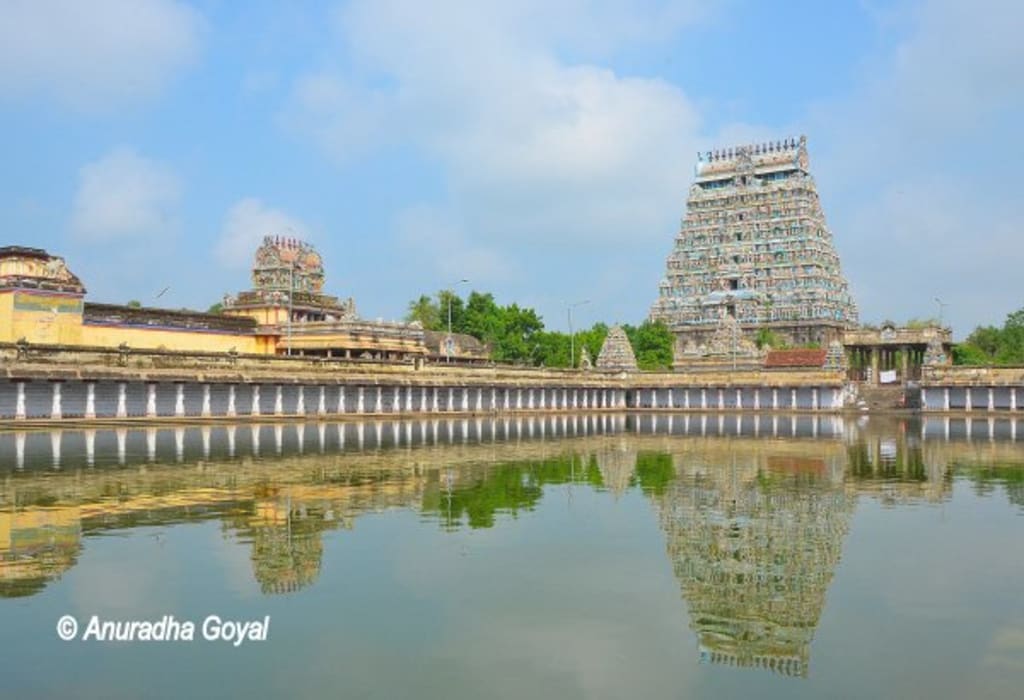
The Chidambaram Nataraja Temple is a Hindu temple located in the town of Chidambaram in Tamil Nadu, India. The temple is dedicated to Lord Shiva in the form of Nataraja, the Lord of Dance.
The temple is one of the most ancient and significant temples in India, with a history that dates back to the 2nd century AD. The temple has been mentioned in several ancient Tamil texts and poems, including the Thevaram and the Tirumurai.
The temple complex covers an area of over 40 acres and includes several smaller shrines, halls, and courtyards. The main sanctum sanctorum of the temple is known as the Chit Sabha or the Hall of Consciousness, which is believed to represent the cosmic dance of Lord Nataraja.
The temple architecture is a unique blend of Chola and Pallava styles, with intricate carvings and sculptures adorning the walls and pillars. The temple is also known for its exquisite bronze icons and sculptures, including the iconic Nataraja statue, which is considered a masterpiece of Chola art.
The temple is an important pilgrimage site for Shaivites and is visited by millions of devotees every year. The annual Natyanjali Dance Festival, which celebrates the cosmic dance of Lord Nataraja, is also held at the temple and attracts dancers and artists from all over the world.
The Chidambaram Nataraja Temple is considered one of the five Pancha Bootha Sthalas, which are the five temples that represent the five elements of nature. The Chidambaram temple represents the element of akasha or space.
The temple has four main gopurams or towers, which are adorned with intricate carvings and sculptures. The tallest of these towers is the eastern tower, which is 40 meters high.
The temple has several festivals and rituals that are celebrated throughout the year, including the annual Brahmothsavam festival, which is held in the Tamil month of Thai (January-February). During this festival, the temple deities are taken out in a grand procession on different vahanas or vehicles.
The temple also has several smaller shrines dedicated to other deities, including Lord Ganesha, Lord Muruga, and Goddess Kali. The Kali shrine is located in the southern corridor of the temple and is one of the few shrines dedicated to the goddess within a Shaivite temple.
The Chidambaram Nataraja Temple is also renowned for its association with the legendary Tamil saint and poet, Thirunavukkarasar, also known as Appar. It is believed that the saint was granted a vision of Lord Nataraja's cosmic dance at the temple, which inspired him to compose several hymns in praise of Lord Shiva.
In addition to its spiritual and cultural significance, the Chidambaram Nataraja Temple is also an architectural marvel and a testament to the artistic and cultural heritage of ancient India.
The Chidambaram Nataraja Temple is known for its unique rituals and practices, which include the daily performance of the Pancha Bhuta Aradhana, a ritual that pays homage to the five elements of nature. This ritual involves the offering of different materials, such as flowers, sandalwood paste, and rice, to the deities representing each element.
Another important ritual is the Ananda Tandava, a dance performance that is said to have been performed by Lord Nataraja himself. This performance is conducted by the temple priests during the Ardhajama Puja, which is the last puja of the day.
The temple also has a library known as the Sarvagna Peetha, which houses several ancient texts and scriptures. The library is believed to have been founded by the great Tamil saint and philosopher, Thirumoolar.
The temple has undergone several renovations and additions over the centuries, with the most recent renovation taking place in the 20th century. The renovation was carried out under the guidance of the renowned architect, Ganapati Sthapati, and involved the restoration of several parts of the temple complex, including the Nritta Sabha, the Raja Sabha, and the Kanaka Sabha.
The Chidambaram Nataraja Temple is not only a place of worship but also a center for the promotion and preservation of ancient Indian culture and heritage. The temple offers classes and workshops in traditional arts and crafts, such as sculpture, painting, and dance, and hosts cultural events and festivals throughout the year. The temple also runs a school for traditional temple architecture and sculpture, where students can learn the ancient techniques and skills used in the construction and decoration of the temple.
One of the unique features of the Chidambaram Nataraja Temple is the Tillai Ambalam, a raised platform in the temple courtyard where traditional Bharatanatyam dance performances are held. The platform is believed to be the place where Lord Nataraja performed his cosmic dance, and it is considered a sacred space for dancers and artists.
The temple also has a museum called the Nataraja Mandapam, which houses a collection of ancient artifacts, sculptures, and paintings related to Lord Nataraja and the temple's history. The museum is a must-visit for those interested in learning more about the temple's cultural and artistic heritage.
The Chidambaram Nataraja Temple is also famous for its association with the famous Tamil epic, the Silappathikaram. The temple is mentioned several times in the epic, and the main character, Kannagi, is said to have performed a dance in front of Lord Nataraja at the temple.
The temple attracts devotees and visitors from all over the world, and it is considered one of the must-visit temples in South India. The temple is open to visitors from early morning until late evening, and visitors are advised to dress modestly and follow the temple's customs and traditions.
In summary, the Chidambaram Nataraja Temple is a unique and significant temple in India, known for its rich cultural and artistic heritage, unique rituals and practices, and its association with the Lord of Dance, Nataraja. The temple is not only a place of worship but also a center for the promotion and preservation of ancient Indian culture and heritage.
About the Creator
Asda Chairman Allan Leighton Has Struggled to Rebuild the Supermarket’s Market Share
Asda was once a dominant force on the UK’s high streets, known for low prices, broad appeal, and fierce competition with Tesco and Sainsbury’s. But in recent years, the supermarket giant has found itself slipping behind rivals in an increasingly brutal grocery war. Despite the return of Allan Leighton as chairman, rebuilding Asda’s market share has proven far more challenging than many expected.
By Aarif Lasharia day ago in Earth
Biodegradable Plastic Market Size and Forecast 2025–2033: The Future of Sustainable Materials Takes Shape
Introduction: A Turning Point for the Global Plastics Industry The global plastics industry is undergoing one of the most significant transformations in its history. As environmental concerns reach critical levels, biodegradable plastics are emerging as a viable and scalable solution to the world’s plastic pollution crisis. Governments, corporations, and consumers are aligning around sustainability goals, accelerating the adoption of materials that can safely return to nature.
By Marthan Sirabout 8 hours ago in Earth



Comments
There are no comments for this story
Be the first to respond and start the conversation.