
Canyoning in Nepal: A Thrilling Adventure into the Wild
Introduction
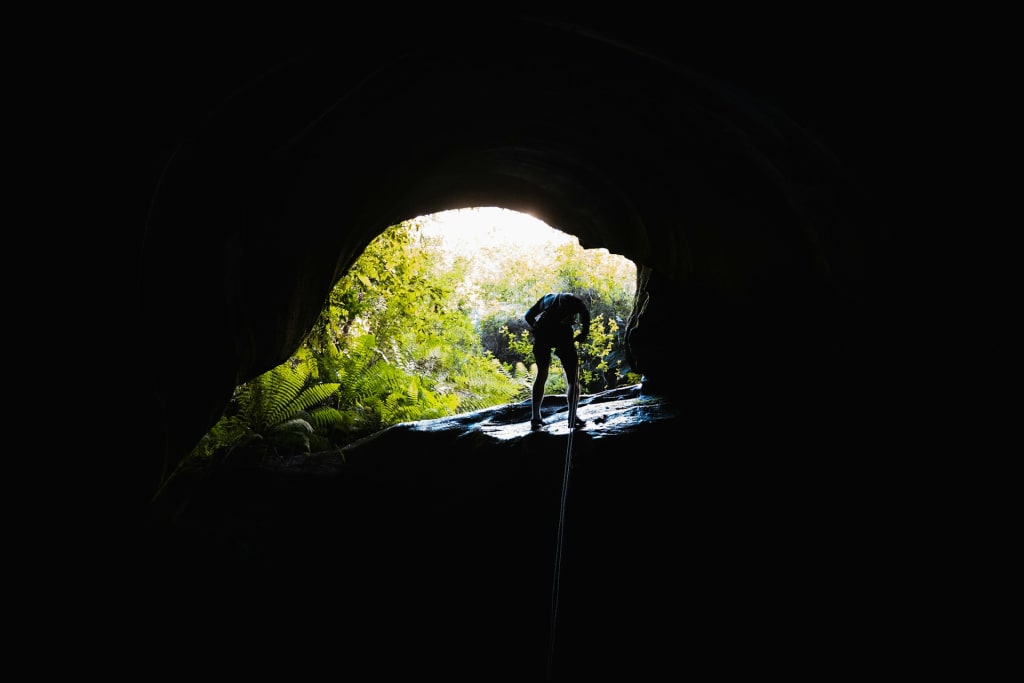
Canyoning in Nepal is an exhilarating outdoor activity that combines adventure, nature, and adrenaline. Nestled in the heart of the Himalayas, Nepal is home to an array of canyons with cascading waterfalls, natural pools, and rugged rock formations, offering the perfect playground for thrill-seekers.
Whether you’re a seasoned adventurer or a first-timer, canyoning in Nepal provides an unforgettable experience, blending the excitement of abseiling, sliding, and jumping with the serene beauty of untouched landscapes.
What Makes Canyoning in Nepal Unique?
Nepal’s diverse geography makes it a haven for canyoning enthusiasts. From steep gorges in the foothills to hidden waterfalls deep within lush forests, the country’s canyons are as varied as they are beautiful. The unique combination of Himalayan terrain, tropical vegetation, and pristine waters ensures an adventure that’s both challenging and awe-inspiring.
Popular Canyoning Spots
Sundarijal: Located near Kathmandu, Sundarijal is a popular spot for beginners. Its proximity to the capital makes it accessible, while its scenic waterfalls and moderate difficulty level make it an excellent introduction to canyoning.
Bhote Koshi: Known for its raging rivers, the Bhote Koshi area also boasts impressive canyons. This spot offers a mix of thrilling descents, slides, and natural pools, ideal for adventure enthusiasts.
Jalbire Canyon: Situated in Chitwan, Jalbire is famous for its stunning waterfalls and warm climate. The canyon offers various rappels and jumps, making it suitable for a wide range of skill levels.
Lamjung: For those seeking remote and less-explored locations, Lamjung offers pristine canyons surrounded by dense forests and breathtaking views of the Himalayas.
The Experience
Canyoning in Nepal is not just about descending waterfalls or jumping into crystal-clear pools—it's a full-body adventure. The experience begins with a trek through lush forests or across rugged terrain, offering a glimpse of the country’s biodiversity. As you enter the canyon, you’ll get geared up with wetsuits, harnesses, helmets, and ropes provided by your guide.
The real fun begins when you start rappelling down steep cliffs, sliding down natural water slides, and leaping into refreshing pools below. Some sections of the canyon are smooth and easy, while others require more technical skills, especially in areas with faster-moving water or tricky rocks. Your guide will lead you through the canyon, offering tips on safety and techniques for each section.
The rush of adrenaline, the sound of rushing water, and the beauty of the surroundings make canyoning in Nepal a thrilling and immersive experience. Every turn brings a new challenge, from navigating narrow rock passages to conquering towering waterfalls
Best Time for Canyoning
The best seasons for canyoning in Nepal are spring (March to May) and autumn (September to November). During these periods, the weather is stable, and the water levels are ideal, ensuring a safe yet exciting adventure.
Safety and Preparation
Safety is a top priority when canyoning in Nepal. Reputable operators provide high-quality equipment, including harnesses, helmets, and ropes, and trained guides ensure that every participant is well-briefed on techniques and precautions.
Physical fitness and a basic level of swimming ability are recommended, though many spots accommodate beginners with no prior experience.
Why Choose Nepal for Canyoning?
Canyoning in Nepal is more than just an adventure; it’s a journey into the wild, where you connect with nature in its purest form. The thrill of descending waterfalls and navigating natural obstacles is complemented by the stunning beauty of Nepal’s landscapes and the warmth of its people.
For adrenaline junkies and nature lovers alike, canyoning in Nepal offers an unmatched opportunity to experience the country’s untamed beauty while pushing your boundaries. Whether you’re seeking a quick adventure near the city or a remote canyon deep in the wilderness, Nepal has it all.
About the Creator
Keep reading
More stories from Oliver Backman and writers in Earth and other communities.
Chulu West Peak: A Himalayan Adventure to Remember
Cluhu eakWest P, standing at an impressive 6,419 meters, offers one of the most exhilarating climbing experiences in the Annapurna region. This expedition combines the thrill of mountaineering with the charm of trekking through diverse landscapes. From lush valleys to towering snow-clad peaks, every moment of the journey is a feast for the senses. For me, this climb was as much about personal discovery as it was about conquering the heights.
By Oliver Backmanabout a year ago in Earth
“Train of Two Storms” Signals a Major Shift in Bay Area Weather
After weeks of relatively dry and stable conditions, the Bay Area is preparing for a noticeable change in weather. Meteorologists are tracking what they describe as a “train of two storms,” a back-to-back weather pattern that could reshape the region’s forecast over the coming days.
By Adil Ali Khan3 days ago in Earth




Comments
There are no comments for this story
Be the first to respond and start the conversation.