
Cannabis Analysis: An In-Depth Exploration
Exploring the Science of Cannabis: A Detailed Examination of Analytical Techniques, Quality Assurance, and Industry Innovations

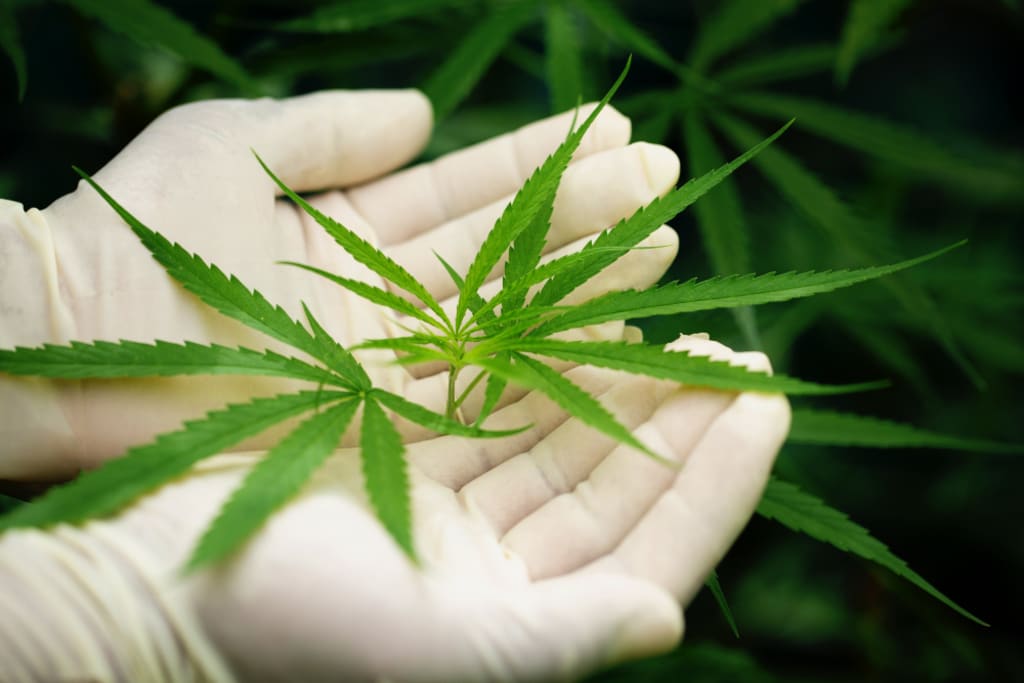
Cannabis analysis has become an essential part of the rapidly growing cannabis industry, offering insights into the plant's chemical composition, quality, and potential effects. As cannabis becomes more widely accepted for both medicinal and recreational use, the demand for accurate and comprehensive cannabis analysis has skyrocketed. In this article, we'll delve into the world of cannabis analysis, exploring its significance, methodologies, and applications. Whether you're a cannabis cultivator, researcher, or consumer, understanding the intricacies of cannabis analysis can enhance your appreciation of this versatile plant. Let's dive into the fascinating world of cannabis analysis and uncover its secrets.
Understanding Cannabis Analysis: What It Entails
Cannabis analysis involves the scientific examination of cannabis plants to determine their chemical composition, quality, and safety. This process is crucial for ensuring that cannabis products meet regulatory standards and are safe for consumption. Cannabis analysis encompasses a wide range of tests, including cannabinoid profiling, terpene analysis, pesticide screening, and microbial testing. By analyzing these components, scientists can gain valuable insights into the plant's effects, potency, and potential therapeutic benefits.
The Importance of Cannabis Analysis
The significance of cannabis analysis cannot be overstated. With the legalization of cannabis in many regions, consumers expect safe and reliable products. Cannabis analysis plays a vital role in meeting these expectations by providing accurate information about the composition and quality of cannabis products. Moreover, cannabis analysis helps ensure compliance with regulatory requirements, protecting both consumers and producers from potential health risks and legal issues.
Key Components of Cannabis Analysis
Cannabis analysis focuses on several key components, each contributing to the overall understanding of the plant's properties and effects:
Cannabinoid Profiling: Cannabinoids are the chemical compounds found in cannabis that interact with the body's endocannabinoid system, producing various effects. Cannabinoid profiling involves identifying and quantifying the different cannabinoids present in a cannabis sample, such as THC (tetrahydrocannabinol) and CBD (cannabidiol). This information is crucial for determining the potency and potential effects of cannabis products.
Terpene Analysis: Terpenes are aromatic compounds found in cannabis that contribute to its unique scent and flavor. Terpenes also have potential therapeutic benefits and can influence the overall effects of cannabis. Terpene analysis involves identifying and quantifying the terpenes present in a cannabis sample, providing insights into the plant's aroma, flavor, and potential benefits.
Pesticide Screening: Pesticides are commonly used in cannabis cultivation to protect plants from pests and diseases. However, pesticide residues can pose health risks to consumers. Pesticide screening involves testing cannabis samples for the presence of pesticide residues, ensuring that products are safe for consumption and meet regulatory standards.
Microbial Testing: Microbial contamination can occur during cannabis cultivation and processing, posing health risks to consumers. Microbial testing involves identifying and quantifying harmful microorganisms, such as bacteria and fungi, in cannabis samples. This ensures that products are free from harmful contaminants and safe for consumption.
Residual Solvent Analysis: Residual solvents are chemicals used in the extraction process to obtain cannabinoids and terpenes from the cannabis plant. These solvents can remain in the final product if not properly removed, posing health risks to consumers. Residual solvent analysis involves testing cannabis products for the presence of these chemicals, ensuring they meet safety standards.
Methods of Cannabis Analysis
Cannabis analysis employs a variety of scientific methods and techniques to assess the chemical composition and quality of cannabis products. Some of the most commonly used methods include:
1. Gas Chromatography (GC)
Gas chromatography is a widely used method for analyzing the chemical components of cannabis. This technique separates and analyzes volatile compounds, such as cannabinoids and terpenes, based on their boiling points. Gas chromatography is highly effective for identifying and quantifying these compounds, providing detailed insights into the chemical profile of cannabis samples.
2. High-Performance Liquid Chromatography (HPLC)
High-performance liquid chromatography is another common method used in cannabis analysis. HPLC separates and analyzes non-volatile compounds, such as cannabinoids and pesticides, based on their solubility and interaction with the stationary phase. This technique is particularly useful for analyzing cannabinoids that are not suitable for gas chromatography, such as acidic cannabinoids like THCA and CBDA.
3. Mass Spectrometry (MS)
Mass spectrometry is a powerful analytical technique used to identify and quantify the chemical components of cannabis. This method involves ionizing the chemical compounds in a sample and measuring their mass-to-charge ratio. Mass spectrometry is often combined with gas chromatography (GC-MS) or liquid chromatography (LC-MS) to provide highly accurate and detailed analysis of cannabis samples.
4. Polymerase Chain Reaction (PCR)
Polymerase chain reaction is a molecular biology technique used to detect and quantify microbial contamination in cannabis samples. PCR amplifies specific DNA sequences of microorganisms, allowing for the identification and quantification of harmful bacteria and fungi. This method is highly sensitive and effective for ensuring the microbial safety of cannabis products.
5. Nuclear Magnetic Resonance (NMR) Spectroscopy
Nuclear magnetic resonance spectroscopy is an advanced analytical technique used to determine the chemical structure and composition of cannabis compounds. NMR spectroscopy provides detailed information about the molecular structure of cannabinoids, terpenes, and other compounds, offering valuable insights into the plant's chemical properties and potential effects.
The Role of Cannabis Analysis in Product Development
Cannabis analysis plays a crucial role in the development of new cannabis products, ensuring that they meet quality and safety standards. By analyzing the chemical composition of cannabis, producers can develop products with specific cannabinoid and terpene profiles, tailored to meet the needs and preferences of consumers. Cannabis analysis also helps identify potential contaminants and ensures that products are free from harmful substances, providing peace of mind to both producers and consumers.
Ensuring Quality and Consistency
One of the primary goals of cannabis analysis is to ensure the quality and consistency of cannabis products. By analyzing the chemical composition of cannabis samples, producers can ensure that their products meet the desired specifications and provide a consistent experience for consumers. This is particularly important for medicinal cannabis products, where consistency is crucial for achieving therapeutic effects.
Meeting Regulatory Requirements
Cannabis analysis is essential for meeting regulatory requirements and ensuring compliance with local and international standards. Regulatory agencies require detailed information about the chemical composition, quality, and safety of cannabis products, and cannabis analysis provides the necessary data to meet these requirements. By conducting thorough cannabis analysis, producers can ensure that their products meet the necessary standards and avoid potential legal issues.
The Future of Cannabis Analysis
As the cannabis industry continues to grow, the demand for accurate and comprehensive cannabis analysis will only increase. Advances in analytical techniques and technology will enhance our understanding of cannabis and its chemical composition, paving the way for new discoveries and innovations in the industry.
Emerging Technologies in Cannabis Analysis
Several emerging technologies are poised to revolutionize cannabis analysis, offering new insights into the plant's chemical properties and potential effects:
Artificial Intelligence (AI) and Machine Learning: AI and machine learning are being integrated into cannabis analysis, enabling more efficient and accurate data analysis. These technologies can identify patterns and correlations in large datasets, providing valuable insights into the chemical composition and effects of cannabis.
Blockchain Technology: Blockchain technology is being used to enhance the transparency and traceability of cannabis analysis. By recording data on a secure and immutable ledger, blockchain technology ensures the integrity and authenticity of cannabis analysis data, providing consumers with confidence in the quality and safety of cannabis products.
Portable Analytical Devices: Portable analytical devices are being developed to provide on-site cannabis analysis, offering real-time data on the chemical composition and quality of cannabis samples. These devices enable producers and consumers to conduct cannabis analysis in the field, enhancing the accessibility and convenience of cannabis analysis.
Cannabis Analysis and Consumer Safety
Consumer safety is a top priority in the cannabis industry, and cannabis analysis plays a vital role in ensuring that products are safe for consumption. By identifying and quantifying harmful substances, such as pesticides, heavy metals, and microbial contaminants, cannabis analysis helps protect consumers from potential health risks. This is particularly important in regions where cannabis is used for medicinal purposes, as patients rely on the safety and efficacy of cannabis products for their well-being.
Educating Consumers About Cannabis Analysis
Educating consumers about cannabis analysis is essential for promoting safe and informed consumption. By understanding the importance of cannabis analysis and the information it provides, consumers can make informed decisions about the products they purchase and consume. This knowledge empowers consumers to choose products that meet their needs and preferences while ensuring their safety and well-being.
The Role of Third-Party Testing Laboratories
Third-party testing laboratories play a crucial role in cannabis analysis, providing independent and unbiased testing of cannabis products. These laboratories adhere to strict quality standards and regulatory requirements, ensuring the accuracy and reliability of cannabis analysis data. By utilizing third-party testing laboratories, producers can demonstrate their commitment to quality and safety, building trust and credibility with consumers.
Conclusion: The Future of Cannabis Analysis
Cannabis analysis is an essential component of the cannabis industry, providing valuable insights into the plant's chemical composition, quality, and safety. As the industry continues to evolve, cannabis analysis will play a crucial role in ensuring that products meet regulatory standards and consumer expectations. By embracing new technologies and methodologies, the cannabis industry can continue to advance our understanding of this versatile plant and its potential benefits. Whether you're a producer, researcher, or consumer, understanding cannabis analysis is key to navigating the ever-growing world of cannabis.
About the Creator
Iroa Technologies
IROA Technologies is simplifying the metabolomics research requirements with its scientific technologies. It's cost-effective in nature and is used by many customers for metabolomics research.
Keep reading
More stories from Iroa Technologies and writers in Earth and other communities.
Understanding Ion Suppression: The Hidden Challenge in Mass Spectrometry
In the world of mass spectrometry, ion suppression is often an unseen, yet highly influential phenomenon. It can skew results, reduce sensitivity, and challenge even the most experienced scientists. But what exactly is ion suppression? How does it happen, and most importantly, how can it be controlled?
By Iroa Technologiesabout a year ago in Earth
Global Plastic Market Size and Forecast 2025–2033: Innovation, Sustainability, and the Future of a $894 Billion Industry
Introduction: A Market That Touches Every Industry The global plastics industry remains one of the most influential pillars of modern manufacturing, supporting everything from food packaging and construction to healthcare, automotive, and electronics. Despite growing environmental scrutiny, plastics continue to evolve, adapt, and expand—driven by technological innovation, economic growth in emerging markets, and the urgent shift toward recyclable and biodegradable materials.
By Janine Root 2 days ago in Earth
Wall Street–Backed Landlords Become a Rare Target for Both Trump and Democrats
In an era of deep political polarization, agreement between Donald Trump and Democratic leaders is increasingly rare. Yet one issue has unexpectedly drawn criticism from both sides of the aisle: Wall Street–backed landlords. As housing affordability reaches crisis levels across the United States, large investment firms that own thousands of rental properties are facing growing political scrutiny—from conservatives and progressives alike.
By Muhammad Hassana day ago in Earth
How, Too
Many people wonder how, too. You are not alone, and I am an expert. I will teach you how, too! First, you need to remit a small application fee and fill out an application describing the nature of your financial situation and how often payments will be made, as this will have great bearing on how well I teach you how, too.
By Harper Lewis5 days ago in Fiction




Comments (1)
I'm sharing this with everyone I know.