
Cable theft in South Africa
The significant issues of cable theft in South Africa, negatively impact various aspects of the country.


Cable theft has been a significant issue in South Africa, negatively impacting various aspects of the country. Here are some ways cable theft affects South Africa and how the community can contribute to mitigating these thefts:
Infrastructure Disruptions: Cable theft disrupts critical infrastructure, including electricity supply, telecommunications, and transportation systems. This leads to power outages, communication breakdowns, and delays in public transportation, affecting businesses, essential services, and everyday life.
Community Contribution: The community can help by reporting any suspicious activity near infrastructure facilities, power lines, or telecommunication cabinets to the relevant authorities or service providers. Vigilance and awareness are essential in identifying and preventing theft attempts.
Economic Losses: Cable theft imposes substantial economic losses on both public and private sectors. Businesses suffer from interruptions in operations, decreased productivity, and increased costs to repair and replace stolen cables. The broader economy also suffers from reduced foreign investment, as potential investors may be deterred by unreliable infrastructure.
Community Contribution: Community members can assist by supporting local businesses affected by cable theft. This can involve choosing to patronize affected businesses, spreading awareness about their challenges, and collaborating with local authorities and organizations to find solutions.
Safety Hazards: Cable theft poses significant safety hazards to both the thieves and the general public. Thieves often tamper with live cables, resulting in electrocutions and fatal accidents. Additionally, the removal of grounding wires and other safety components can jeopardize the safety of electrical systems, potentially leading to fires or other accidents.
Community Contribution: Communities can contribute by educating residents about the dangers of cable theft and the importance of not tampering with electrical infrastructure. Encouraging responsible behaviour and discouraging participation in illegal activities can help mitigate these risks.
Social Services and Public Welfare: Cable theft can affect the delivery of essential social services, such as healthcare, education, and emergency services. Hospitals, schools, and emergency response systems rely on stable power and communication networks, and disruptions caused by cable theft can hinder their effectiveness.
Community Contribution: Communities can support social services by organizing awareness campaigns, fundraising events, or volunteering efforts to assist affected institutions. By working together, communities can help bridge the gaps created by cable theft and ensure the continued provision of vital services.
Law Enforcement Burden: Combatting cable theft places a burden on law enforcement agencies, diverting resources that could be utilized elsewhere. The process of investigating, apprehending, and prosecuting cable thieves requires time and effort, affecting the ability of law enforcement to address other crimes.
Community Contribution: The community can contribute by actively collaborating with law enforcement agencies. This can involve providing information, assisting in investigations, and participating in community policing initiatives to prevent cable theft. By working together, community members can help alleviate the burden on law enforcement.
Mitigating cable theft requires a comprehensive approach involving cooperation between various stakeholders, including the government, law enforcement, businesses, and communities. By raising awareness, fostering community involvement, and supporting affected sectors, South Africa can make strides in combating cable theft and minimizing its negative impacts.
In addition to the points mentioned earlier, it is important to recognize that factors such as lack of education and high unemployment rates can contribute to cable theft in South Africa. Here's an expanded response that includes these aspects:
Cable theft in South Africa is influenced not only by the immediate impacts on infrastructure, economy, safety, and social services but also by underlying social and economic challenges. The lack of education and high unemployment rates exacerbate the issue and contribute to the prevalence of cable theft.
Lack of Education: Limited access to quality education affects individuals' opportunities for employment and hampers their ability to secure stable income. Without proper education and skills development, many individuals may turn to illegal activities, including cable theft, as a desperate means to make a living.
Community Contribution: Communities can play a role in addressing this issue by promoting educational initiatives and providing support for skills training programs. By investing in education and vocational training, communities can empower individuals with the tools they need to secure legitimate employment and reduce the likelihood of resorting to criminal activities.
High Unemployment Rates: South Africa faces significant challenges in addressing unemployment, particularly among the youth. Limited job prospects and a lack of viable economic opportunities can drive individuals to engage in illegal activities to survive, including cable theft.
Community Contribution: Communities can contribute to mitigating cable theft by supporting local entrepreneurship and job creation initiatives. Encouraging the growth of small businesses, fostering mentorship programs, and promoting vocational training opportunities can help address unemployment issues and reduce the desperation that drives some individuals to engage in cable theft.
Addressing Root Causes: To effectively combat cable theft, it is crucial to address the root causes by tackling systemic issues such as poverty, inequality, and lack of economic opportunities. A holistic approach that combines education, skills development, job creation, and social support can help break the cycle of cable theft and promote sustainable solutions.
Community Contribution: Communities can actively engage in advocacy efforts to raise awareness about the need for comprehensive socio-economic development. By collaborating with local authorities, businesses, and non-governmental organizations, communities can drive initiatives that address the root causes of cable theft and create an environment that discourages illegal activities.
By recognizing the influence of factors like lack of education and unemployment, communities can contribute to the long-term solution of cable theft by focusing on education, skills development, job creation, and addressing systemic issues. Empowering individuals and providing them with legitimate opportunities will help reduce the incidence of cable theft and create a more secure and prosperous South Africa.
About the Creator
Sebastian Van Wyk
Resilient and dedicated, Sebastian overcame challenges, from a tough upbringing to financial struggles. Now a successful manager, he prioritizes family and dreams of providing a better future for his two boys. #Determined #FamilyFirst
Keep reading
More stories from Sebastian Van Wyk and writers in Earth and other communities.
Indoor Gardening:
Once upon a time, in a small town nestled amidst snow-covered mountains, lived a young woman named Emma. Winter had arrived, and the frigid temperatures and heavy snowfall had confined the townsfolk indoors. Emma, an avid gardener, found herself longing for the vibrant colors and soothing scents of her beloved plants. Determined to keep her green thumb active during the winter months, she embarked on a journey to explore the joys of indoor gardening.
By Sebastian Van Wyk3 years ago in Earth
Landscape Beneath Antarctica's Icy Surface Revealed in Unprecedented Detail
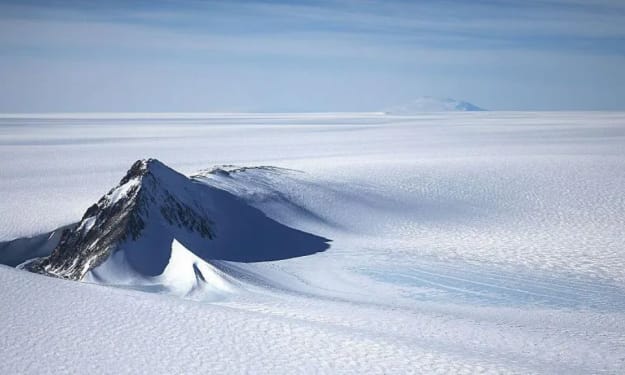
For decades, Antarctica has been the Earth’s ultimate mystery — a vast expanse of ice covering almost 14 million square kilometers, hiding secrets beneath its frozen surface. Now, thanks to advanced radar technology and satellite mapping, scientists have produced the most detailed map yet of the continent’s hidden landscape, revealing mountains, valleys, subglacial lakes, and river systems that were previously invisible. This discovery is more than just a scientific curiosity. Understanding Antarctica’s topography beneath the ice is critical for predicting ice sheet stability, global sea-level rise, and climate change impacts. The new data could also shed light on Earth’s geological history and the ways in which life may survive in extreme environments. How Scientists Mapped the Hidden Terrain For years, researchers have relied on a combination of methods to peek beneath the ice: Ice-penetrating radar: Devices mounted on aircraft or satellites send radio waves through ice layers, which bounce back when they hit bedrock, revealing contours beneath kilometers of frozen water. Satellite gravimetry: Small variations in Earth’s gravitational field help infer the presence of mountains, valleys, and subglacial lakes. Seismic surveys: Explosions or controlled vibrations allow scientists to detect underground structures by measuring the way seismic waves travel through different materials. Using these techniques, a consortium of international researchers created a high-resolution map of Antarctica’s sub-ice topography, revealing features that rival the landscapes of continents that have been visible for millions of years. What’s Beneath the Ice? The map reveals a striking variety of features: Mountain ranges: Peaks rise more than 4,000 meters above the surrounding terrain, hidden beneath miles of ice. Some of these ranges may be older than the Rockies or the Alps. Deep valleys: Vast troughs and gorges, carved by ancient rivers or tectonic activity, provide clues about how the continent evolved over millions of years. Subglacial lakes: Scientists have identified hundreds of liquid water lakes trapped beneath the ice, including the famous Lake Vostok. These lakes remain liquid due to pressure and geothermal heat and may host microbial life isolated for millions of years. Subglacial river networks: Surprisingly, water flows beneath the ice in channels and rivers, slowly carving pathways that affect ice sheet movement. This intricate landscape challenges the perception of Antarctica as a flat, featureless ice sheet. Instead, it is a dynamic and complex environment, where hidden topography influences everything from ice flow to global sea levels. Why This Discovery Matters The importance of understanding what lies beneath Antarctica’s ice cannot be overstated: Predicting Ice Sheet Stability: Ice sheets move more quickly over smooth surfaces than over rugged terrain. Knowing where mountains and valleys lie helps scientists predict which areas of ice may collapse first, potentially raising sea levels faster than anticipated. Climate Change Models: Subglacial lakes and water channels lubricate the ice from below, influencing melting rates. Incorporating these features into models improves accuracy in forecasting future sea-level rise. Earth’s Geological History: The newly revealed landscape offers a window into Antarctica’s past — from tectonic shifts to ancient rivers and climates. This data helps reconstruct how continents drifted and climates evolved over millions of years. Search for Extreme Life: Subglacial lakes may harbor microbial life isolated for millions of years, providing insights into life in extreme environments, potentially even on other planets. Global Implications Antarctica may feel distant, but its ice sheets hold the key to global sea-level stability. Even small changes beneath the ice can have profound consequences for coastal cities around the world. With melting accelerated by climate change, understanding the terrain under the ice is crucial for planning and mitigation. Governments, scientists, and environmental organizations are now using this information to: Improve climate models for sea-level rise predictions Identify vulnerable regions of the ice sheet Guide future research missions to subglacial lakes and mountains The discovery also strengthens the case for continued international collaboration in Antarctica, where research and environmental protection are governed by treaties emphasizing peaceful scientific study. Challenges Ahead Mapping Antarctica is far from complete. Extreme weather, thick ice sheets, and logistical difficulties make the continent one of the hardest places to study. While radar and satellite technologies have advanced, field validation and deeper exploration remain difficult and expensive. Researchers also face ethical and environmental concerns. Drilling into subglacial lakes to sample microbial life, for instance, must be done carefully to avoid contamination. Antarctica’s fragile ecosystem demands that scientific progress balances discovery with protection. Looking to the Future The detailed map of Antarctica’s hidden landscape opens new possibilities for exploration and understanding: Ice Flow Predictions: With accurate topography, scientists can model how ice sheets will respond to warming climates more precisely. Resource Insights: While exploitation is restricted by international agreements, understanding subglacial mineral deposits can inform potential future uses. Extreme Environment Biology: Studying subglacial lakes could reveal new species adapted to cold, dark, and high-pressure environments, broadening our understanding of life on Earth. The data also strengthens international scientific cooperation, as multiple countries share findings and resources to better understand a continent that belongs to no single nation. Final Thoughts Antarctica’s ice may appear static and endless, but beneath it lies a vibrant and rugged landscape filled with mountains, valleys, lakes, and rivers. The new detailed mapping of this hidden world is a landmark achievement in Earth science, combining advanced technology, international collaboration, and the human drive to explore. By uncovering what lies beneath the ice, scientists are not just satisfying curiosity — they are equipping humanity with the knowledge to protect our planet, anticipate climate challenges, and understand the deep history of Earth itself. Antarctica’s secrets, once locked beneath kilometers of ice, are finally being revealed, and what we learn could reshape our understanding of the planet and our place within it.
By Muhammad Hassan4 days ago in Earth



Comments
There are no comments for this story
Be the first to respond and start the conversation.