
Botanical Marvels
Exploring the World's Most Unique and Rare Flowers
With an estimated 390,900 known plant species worldwide, the plant kingdom stands as one of the most diverse and populous life forms on Earth. From microscopic organisms to towering giants, plants come in an array of shapes, colors, and sizes. Each plant species is remarkable in its own right, but some have evolved extraordinary characteristics to thrive in their natural environments. Join us on a journey as we explore the top 15 most unique flowers known to science, unveiling the fascinating adaptations that make them stand out.
15. Flame Lily:
Native to tropical regions of Africa and Asia, the Flame Lily, or Gloriosa, is a group of 12 distinct plant species known for their stunning appearance. These deciduous perennial flowers have adapted to extreme wet and dry seasons, growing up to 10 feet tall with tendrils that help them climb and compete for sunlight. Despite their beauty, Flame Lilies hide a dangerous secret—every part of the plant contains high levels of colchicine, which can be deadly in high doses.
14. Titan Arum:
Known as the Corpse Flower, the Titan Arum holds the record for the largest unbranched inflorescence of any known plant species. Native to western Sumatra, these enormous flowers emit a foul odor resembling death to attract scavenging creatures for pollination. While the scent may repel humans, the bloom of the Titan Arum is a spectacular event in botanical gardens, albeit with a major health warning.
13. Tropical Sundew:
The Tropical Sundew, or Drosera Birmini, is a carnivorous plant native to tropical regions across Africa, China, and Asia. Known for its fast-acting nature, the sundew wraps around insects within seconds of contact, secreting liquids to dissolve the trapped prey. Despite its danger to insects, the plant has medicinal uses and is used in topical skin creams.
12. Bee Orchid:
The Bee Orchid, native to Europe, North America, and the Middle East, is a master of mimicry. Its flower structure resembles a female bee, attracting male bees for pollination. This adaptation also deters larger animals from eating the flower head, ensuring its survival.
11. Jade Vine:
Originating from the Philippines, the Jade Vine is a woody vine with stunning turquoise-colored flowers resembling precious stones. Bats and a specific wasp species are essential for pollination, and the plant has unique adaptations to support its pollinators.
10. Lithops:
Known as Living Stones, Lithops are ice plants found across southern Africa. These plants mimic rocks to avoid being eaten, and their unique appearance has made them popular houseplants. They thrive in arid conditions and grow mostly underground.
9. Sturt's Desert Pea:
Native to Australia, Sturt's Desert Pea is known for its unique blood-red or pink flowers with a large black bulbous center. This flower has cultural significance and is the floral emblem of South Australia.
8. Strelitzia (Bird of Paradise Flower):
Indigenous to South Africa, the Strelitzia, or Bird of Paradise Flower, features large leaves and distinct flowers resembling a bird's beak. Sunbirds are its main pollinators, and the flower is both ornamental and edible.
7. Lobster Claw (Heliconia):
With 194 known species, Heliconias, or Lobster Claw plants, are native to tropical regions of the Americas. The flowers' unique shape resembles lobster claws or toucan beaks, creating a stunning effect prized by horticulturists.
6. Torch Ginger (Etlingera Elatior):
Originating in Southeast Asia, Torch Ginger is both ornamental and edible. Its flower heads are used in floral arrangements and various culinary dishes, making it a versatile and vibrant species.
5. Snake's Head Fritillary:
Native to Europe and Asia, the Snake's Head Fritillary gets its name from the snake-scale-like appearance of its petals. Often in shades of deep purple, these flowers are known for their distinctive shape and have been associated with leprosy due to their bell-like structure. Despite their beauty, they produce poisonous alkaloids.
4. Map Passion Flower:
The Maypop, a type of passion flower native to the US, is known for its intricate, tendril-covered flowers. The maypop has cultural significance among the Cherokee people, who use it for food and medicine. The passion flower's unique flavor is used in jams, jellies, and desserts.
3. Buddhist Udambara:
The Udambara flower, shrouded in mystery and rarity, is said to bloom only once every three thousand years according to Buddhist legend. These tiny white flowers emit a sweet scent of sandalwood and are often found in the most unlikely places, symbolizing great fortune.
2. Night-Blooming Cereus:
Native to arid regions in China, the Night-Blooming Cereus is a cactus that produces stunning, large flowers that bloom exclusively at night. These nocturnal flowers release a rich aroma to attract specific nocturnal insects for pollination.
1. Lady Slipper Orchid:
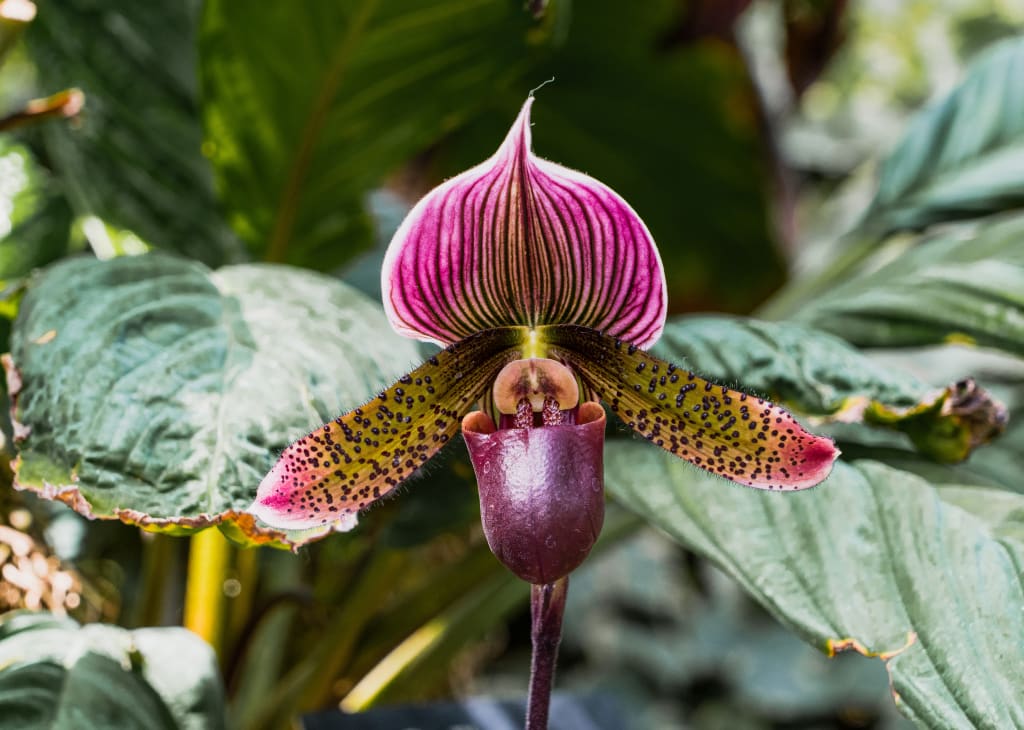
The Lady Slipper Orchid, the largest orchid species native to Europe, features a distinctive slipper-shaped labellum. Highly sought after by horticulturists, the Lady Slipper Orchid has become a symbol of gardening prowess. Its vivid colors and unique shapes make it a centerpiece in show gardens worldwide.
In a world with nearly 400,000 known plant species, these 15 flowers stand out for their unique adaptations, stunning beauty, and cultural significance. From the dangerous allure of the Flame Lily to the mysterious rarity of the Udambara, each flower tells a captivating story of survival, adaptation, and human connection. Explore the wonders of the botanical world through these extraordinary blooms that continue to captivate our imagination and appreciation for the natural world
About the Creator
Līva
World is interesting place. Scary, but worth living.
Nature is full of surprises and people are... well, people are something else.
Art is the best doctor.
Seven Earth-Sized Planets Discovered Beyond Our Solar System
In one of the most exciting breakthroughs in modern astronomy, scientists have discovered a system of seven Earth-sized planets orbiting a distant star. This extraordinary finding has captured global attention because several of these planets exist in the “habitable zone,” where conditions may allow liquid water to exist. The discovery not only expands our understanding of planetary systems but also strengthens the possibility that life might exist beyond our solar system.
By Irshad Abbasi 6 days ago in Earth


Comments
There are no comments for this story
Be the first to respond and start the conversation.