
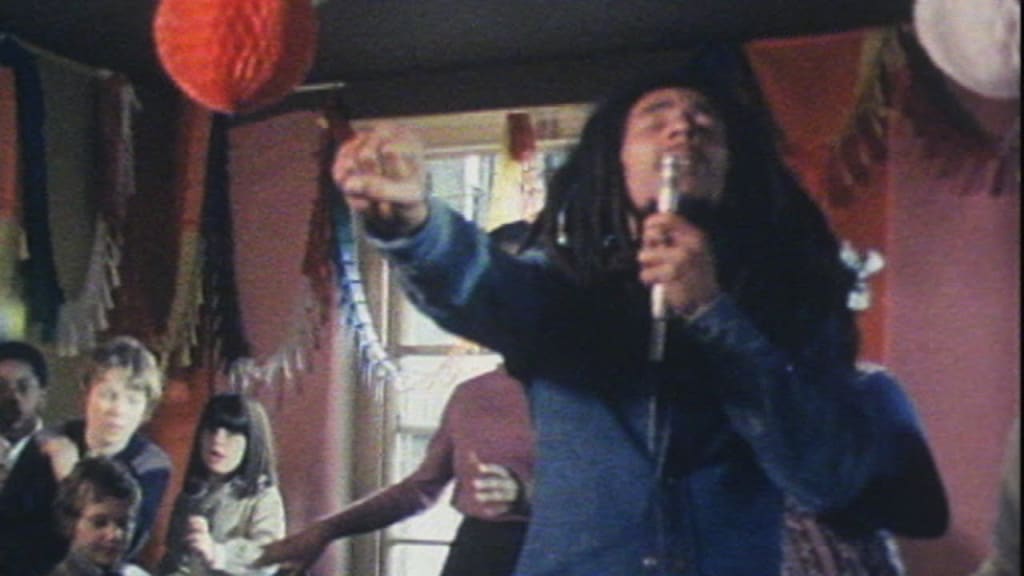
Introduction:
Bob Marley, a Jamaican musician, singer, and songwriter, is widely regarded as one of the most influential figures in the history of popular music. With his distinctive voice, powerful lyrics, and a passion for social justice, Marley became a global symbol of unity, love, and resistance. In this article, we delve into the life, music, and legacy of Bob Marley, celebrating his impact on reggae music and his enduring influence on the world stage.
Part 1: Early Life and Musical Influences
Bob Marley was born on February 6, 1945, in Nine Mile, Jamaica. Raised in a small village, Marley was exposed to the rich musical traditions of Jamaica from a young age. Influenced by artists such as Fats Domino, Ray Charles, and the Skatalites, Marley developed a deep appreciation for various genres, including rhythm and blues, ska, and rocksteady.
Part 2: The Wailers and Rise to Prominence
In the early 1960s, Bob Marley formed the musical group The Wailers with Peter Tosh and Bunny Wailer. Together, they created a unique sound that blended elements of reggae, ska, and rocksteady. The Wailers gained popularity in Jamaica with their soulful harmonies and socially conscious lyrics. Their breakthrough came with the release of the album "Catch a Fire" in 1973, which introduced Marley's music to a wider international audience.
Part 3: Reggae's Global Ambassador
Bob Marley's music quickly transcended borders, captivating audiences around the world. Albums like "Burnin'," "Natty Dread," and "Exodus" solidified his status as reggae's global ambassador. Marley's songs, infused with messages of peace, love, and resistance against oppression, resonated with people from diverse backgrounds, establishing him as a voice for the marginalized and a symbol of hope.
Part 4: Social and Political Activism
Bob Marley's music was deeply intertwined with his activism and his belief in social and political change. He used his platform to advocate for peace, justice, and equality. Marley's iconic song "Get Up, Stand Up" became an anthem for human rights movements, urging people to fight against injustice and oppression. His concert in Zimbabwe in 1980, celebrating the country's independence, demonstrated his commitment to freedom and self-determination.
Part 5: Influence on Popular Culture
Bob Marley's impact on popular culture is immeasurable. His distinctive image, characterized by his signature dreadlocks and vibrant stage presence, became synonymous with reggae music. Marley's music has been covered and sampled by countless artists across various genres, showcasing the universal appeal of his sound and message. He continues to inspire new generations of musicians, activists, and fans with his timeless music and powerful legacy.
Part 6: Enduring Legacy and Recognition
Despite his untimely death in 1981 at the age of 36, Bob Marley's music and legacy have only grown stronger over time. He posthumously received numerous accolades, including induction into the Rock and Roll Hall of Fame and a Grammy Lifetime Achievement Award. The compilation album "Legend" remains one of the best-selling albums of all time, further cementing Marley's status as a musical icon.
Part 7: Spirituality and Rastafarianism
Bob Marley's spirituality, deeply rooted in Rastafarianism, played a significant role in his life and music. His faith, belief in the divine, and connection to nature permeated his lyrics, emphasizing the importance of love, unity, and spiritual
About the Creator
Without Democracy, Donald Trump’s Venezuelan Oil Quest Will Fail
Donald Trump’s renewed interest in Venezuelan oil may seem, on the surface, like a hard-nosed geopolitical calculation. Venezuela holds the world’s largest proven oil reserves, and amid global energy uncertainty, access to those resources is undeniably tempting. But history, economics, and politics all point to the same conclusion: without democratic reform in Venezuela, any attempt by a Trump-led US administration to secure reliable Venezuelan oil will ultimately fail.
By Aarif Lashari3 days ago in Earth




Comments
There are no comments for this story
Be the first to respond and start the conversation.