
Biomass's Full Life Cycle Carbon Footprint
Incineration/Natural Decomposition/Composting/Pyrolysis


Biomass, derived from organic materials like wood, agricultural residues, and waste, is widely considered a renewable energy source. While it holds promise for reducing reliance on fossil fuels, it is crucial to assess its environmental impact comprehensively. One of the most significant aspects of this evaluation is the carbon footprint, which measures the total amount of greenhouse gases emitted throughout the entire life cycle of biomass, from production to disposal. Understanding the carbon footprint of biomass involves considering various factors, including the methods of waste treatment such as incineration, natural decomposition, composting, and pyrolysis.
The Carbon Footprint of Biomass Production
The life cycle of biomass begins with its cultivation or collection. In the case of crops used for bioenergy, such as corn, sugarcane, or wood, the carbon footprint is influenced by factors like land use, water usage, and the application of fertilizers and pesticides. These processes often involve the release of carbon dioxide (CO₂) and other greenhouse gases into the atmosphere, either directly from the application of inputs or through land-use changes, such as deforestation or soil degradation.
Agricultural practices that rely on fossil fuels for machinery or transport further increase the carbon footprint at this stage. The energy used in planting, tending, and harvesting crops contributes to the overall environmental cost of biomass production. Therefore, the carbon footprint associated with biomass production varies based on the type of feedstock, the intensity of agricultural practices, and the methods employed.
The Impact of Biomass Treatment Methods
Once biomass is harvested, it can be processed in various ways, each with its own carbon footprint implications. The treatment methods—incineration, natural decomposition, composting, and pyrolysis—each contribute to the release of carbon dioxide, methane, and other greenhouse gases, but the magnitude and nature of these emissions differ.
Pyrolysis
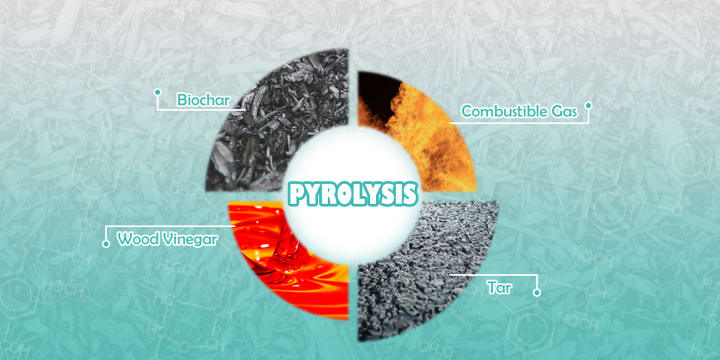
Pyrolysis is a thermochemical process that involves heating biomass in the absence of oxygen to produce biochar, bio-oil, and gas. Unlike incineration, biomass pyrolysis process operates in a controlled, oxygen-limited environment that allows the conversion of biomass into valuable products without extensive CO₂ emissions. The biochar produced during pyrolysis is rich in carbon and can be used as a soil amendment, effectively sequestering carbon and reducing its atmospheric impact.
The carbon footprint of pyrolysis is significantly lower than that of incineration because the carbon dioxide emissions are substantially reduced, and the process generates useful byproducts that can be used as energy sources or materials. Pyrolysis also allows for more efficient energy recovery, as the bio-oil and syngas produced can be utilized for electricity generation or heating. However, like all processes, pyrolysis is not entirely free of emissions. Some CO₂ and methane are released, but these are far less than the emissions from incineration.
Incineration
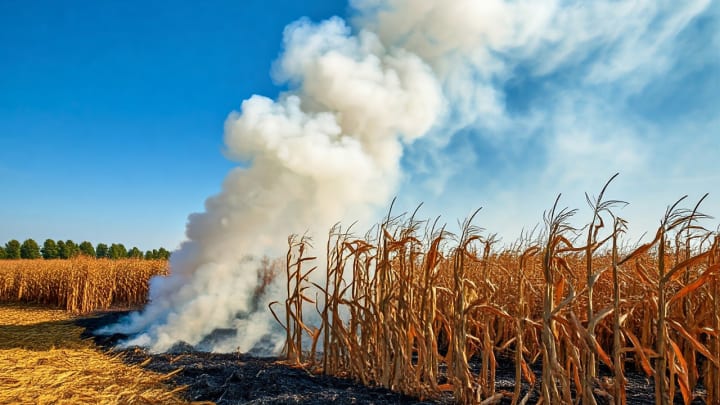
Incineration, or combustion, involves burning biomass to generate energy. While this process can reduce the volume of waste and produce heat or electricity, it also releases a significant amount of carbon dioxide into the atmosphere. The CO₂ released from incineration is often classified as "biogenic" because it originates from a renewable source. However, it still contributes to atmospheric CO₂ levels and global warming, especially when the carbon released is not offset by new plant growth that can absorb the CO₂.
The carbon footprint of incineration is influenced by factors such as the energy efficiency of the combustion process, the moisture content of the biomass, and the type of technology used. Modern incineration plants with advanced emissions control can mitigate some environmental impacts, but the combustion of biomass remains a source of direct CO₂ emissions.
Natural Decomposition
When biomass decomposes naturally, it undergoes microbial breakdown in the presence of oxygen, a process that releases carbon dioxide. In anaerobic conditions, such as in landfills, methane, a much more potent greenhouse gas, may be produced instead. Natural decomposition does not provide any energy recovery, and the carbon released is simply returned to the atmosphere, where it can contribute to climate change.
The carbon footprint of natural decomposition is generally lower than that of incineration in terms of the amount of carbon dioxide directly emitted. However, if biomass is left to decompose in landfills, the release of methane significantly worsens its carbon impact. Moreover, natural decomposition takes place over a longer time scale, meaning the carbon is re-released more gradually, potentially reducing its short-term environmental impact but not eliminating it entirely.

Composting
Composting is another common method of managing biomass waste, particularly organic materials like food scraps and yard waste. It involves the aerobic decomposition of organic matter by microbes in the presence of oxygen. This process results in the release of carbon dioxide, as well as the production of humus, which can improve soil health and carbon storage.
While composting produces less carbon dioxide than incineration, it still contributes to greenhouse gas emissions. The carbon released during composting is largely biogenic and can be considered part of the natural carbon cycle. However, if not managed properly, composting can also result in the release of methane, particularly when the material is too moist or if it is not turned often enough to allow adequate oxygen flow.
Although composting has environmental benefits, such as enriching soil and reducing the need for chemical fertilizers, its carbon footprint depends heavily on the method used, including the size and composition of the compost pile, the temperature, and the oxygen levels.

The Overall Carbon Footprint of Biomass
The carbon footprint of biomass is not solely determined by its method of treatment. The entire life cycle—from production and transportation to processing and disposal—must be considered. Biomass energy can reduce reliance on fossil fuels and provide a renewable energy source, but its environmental benefits are not guaranteed. The carbon footprint depends on the feedstock, the energy inputs involved, and the end use of the biomass.
For instance, pyrolysis, when compared to other methods, offers a more efficient way to handle biomass and significantly lowers the overall carbon footprint, especially when integrated with renewable energy systems. In contrast, incineration and natural decomposition release more CO₂ into the atmosphere, contributing to global warming.
Moreover, using biomass for carbon sequestration, as is done with biochar produced through pyrolysis, can help mitigate the short-term impact of carbon emissions. This process locks away carbon in the soil for long periods, potentially offsetting the emissions generated by biomass production and processing.
Conclusion
Assessing the full life cycle carbon footprint of biomass requires a detailed understanding of its production, treatment, and disposal methods. While biomass is often regarded as a cleaner alternative to fossil fuels, its environmental impact depends largely on how it is managed. Methods such as incineration and natural decomposition release significant amounts of carbon dioxide, whereas pyrolysis offers a more sustainable approach by generating valuable byproducts and sequestering carbon. As biomass continues to be integrated into global energy strategies, optimizing the carbon footprint through efficient processing technologies like pyrolysis will be essential for achieving long-term environmental benefits.
About the Creator
Keep reading
More stories from Wayne Shen and writers in Earth and other communities.
Closed-Loop Management of Forestry Waste Biomass
Forestry activities produce significant volumes of biomass waste, including branches, bark, and leaves left after timber harvesting. Traditionally, this waste is either burned or left to decompose, releasing carbon dioxide and methane into the atmosphere. A more sustainable approach is the closed-loop management of forestry waste biomass through biochar production. This process transforms biomass into a stable form of carbon, offering numerous environmental and economic benefits.
By Wayne Shenabout a year ago in Earth
Time Out Market to Close in Fulton Market
After years of drawing locals and tourists alike to Fulton Market, Time Out Market Chicago is set to close its doors. The popular food hall, known for bringing together some of the city’s best chefs, artisans, and culinary experiences under one roof, has announced that it will cease operations later this year. The closure marks the end of an era for one of Chicago’s most vibrant dining destinations and reflects broader trends in the restaurant and hospitality industry that have reshaped urban dining spaces over the past decade. The Rise of Time Out Market in Fulton Market Time Out Market first opened in Chicago’s Fulton Market District in 2019, quickly gaining a reputation as a destination where visitors could sample some of the city’s most celebrated chefs and street‑food vendors all in one place. The market followed a model that had already been successful in cities like Lisbon and New York: a curated collection of high-quality, chef-driven eateries, communal seating areas, and a lively atmosphere that combined dining with culture and entertainment. Located in a district already famous for its mix of historic meatpacking warehouses and trendy loft conversions, Time Out Market quickly became a hub for both food lovers and tourists seeking an authentic Chicago experience. (timeoutmarket.com) Why the Closure Is Happening While the exact reasons behind the closure are complex, several key factors appear to have contributed: 📉 Shifting Consumer Behavior The COVID-19 pandemic dramatically changed dining habits, with many customers moving toward delivery, takeout, and smaller neighborhood restaurants rather than large food halls. Even as in-person dining rebounded, some communal spaces struggled to maintain consistent foot traffic. 💰 Operational Costs Maintaining a high-quality, multi-vendor space in Fulton Market comes with significant overhead, from leasing costs to staffing and compliance with city regulations. Rising costs for ingredients, labor, and real estate have challenged profitability. 🌆 Urban Development Trends Fulton Market has evolved rapidly, attracting corporate offices, luxury condos, and boutique hotels. While the area’s growth has been positive for real estate, it has also intensified competition for dining options and raised expectations for commercial spaces, putting additional pressure on large-scale food halls. Impact on Local Vendors and Chefs One of the hallmarks of Time Out Market was its curated roster of local vendors. From acclaimed pastry chefs to innovative street-food vendors, many found a platform at Time Out Market that allowed them to reach a wide audience without the overhead of opening a standalone restaurant. The closure will leave dozens of small business owners seeking new spaces or alternative ways to reach their customers. While some may move to other neighborhoods or pop-up concepts, others may struggle to find affordable options in the city’s increasingly expensive food scene. For food lovers, the market’s closure means the loss of a one-stop destination to sample a variety of Chicago’s culinary talent in a single, vibrant location. The Cultural Significance Time Out Market was more than just a food hall—it was a social and cultural gathering place. Its communal tables encouraged interaction, its events showcased local music and arts, and its central location made it a natural meeting point for tourists and locals alike. For many, it represented the spirit of Chicago’s Fulton Market district: a place where history, innovation, and creativity intersected. Its closure will leave a gap not only in dining options but in the neighborhood’s cultural fabric. Industry Experts Weigh In Analysts note that the closure of Time Out Market is part of a broader trend affecting large-scale food halls across the U.S.. While some continue to thrive, particularly in cities with high tourist traffic or strong corporate sponsorship, others have struggled to adapt to post-pandemic consumer habits. In interviews with hospitality experts, several key points emerged: Adaptability Is Key: Food halls that survive often offer flexible layouts, hybrid dining and retail options, or smaller-footprint satellite locations. Experience Still Matters: While convenience and takeout are important, consumers continue to seek memorable experiences. Large markets must find ways to balance these two priorities. Local Partnerships Help: Collaboration with local businesses, breweries, and cultural institutions can drive consistent traffic and community engagement. What’s Next for Fulton Market? The closure of Time Out Market opens up opportunities for other businesses. Fulton Market remains a hotspot for culinary innovation, with new restaurants, bars, and pop-up venues continuing to open each year. Some industry insiders speculate that the space may be repurposed for smaller, boutique eateries, event spaces, or mixed-use commercial developments that cater to the neighborhood’s evolving demographics. Others believe the closure may inspire new concepts that combine food, culture, and technology in innovative ways. Reflections from Visitors For regular patrons, the news is bittersweet. Many recall their first visits to Time Out Market—sampling different cuisines, sharing tables with strangers, or attending weekend events. Social media posts following the announcement highlighted memories of birthday celebrations, first dates, and casual gatherings, underscoring the market’s role in the city’s social life. “It was our go-to spot for trying new chefs,” one visitor commented. “It’s sad to see it go, but we’re hoping whatever comes next keeps that spirit alive.” Conclusion: The End of an Era, and the Beginning of Something New The closure of Time Out Market in Fulton Market represents the end of a significant chapter in Chicago’s food and cultural scene. While it may be disappointing for fans and vendors alike, it also reflects broader trends shaping urban dining, commercial real estate, and consumer behavior. As the neighborhood continues to grow and evolve, there’s hope that new concepts will emerge, preserving the community-focused, culinary-driven spirit that made Time Out Market special. In the meantime, Chicagoans and visitors alike will treasure the memories and flavors that the market brought to Fulton Market, even as the city’s food scene moves forward into a new chapter.
By Muhammad Hassanabout 22 hours ago in Earth
Chinese Planetary Engineering: The Great Green Wall and the Reclamation of Climate
There are junctures in history where a civilization no longer chooses between comfort and progress, but between adaptation and extinction. At the dawn of the new millennium, China hit one of those silent thresholds where geography ceases to be a backdrop and becomes an adversary. The desert was advancing, not as a metaphor for decay, but as a physical, methodical, and relentless force. Sand was devouring the horizon, winds grew heavy with dust, and the soil lost its fertile memory, taking with it the promise of social stability.
By Laurenceau Porte2 days ago in Earth




Comments
There are no comments for this story
Be the first to respond and start the conversation.