
Biogas In Africa
A call for exploration and Investment

Biogas is a renewable energy source produced through the decomposition of organic matter, such as agricultural waste, livestock manure, and sewage. It is a versatile energy option that can be used for cooking, heating, electricity generation, and even transportation fuel. Biogas offers several benefits, including reducing greenhouse gas emissions, providing a sustainable waste management solution, and promoting energy independence.
In the context of the African continent, biogas has significant potential and can address several challenges faced by many African countries. Here are some key points:
Energy Access: Access to electricity remains a challenge in many parts of Africa, particularly in rural areas. Biogas can provide a decentralized energy solution, enabling communities to generate their own electricity and meet their cooking and heating needs.
Agricultural Waste Management: Agriculture plays a vital role in Africa's economy, and it generates substantial amounts of organic waste. Improper disposal of agricultural waste can lead to environmental pollution and health hazards. Biogas systems can efficiently manage this waste by converting it into clean energy, reducing environmental impacts while providing a valuable byproduct as organic fertilizer.
Deforestation and Indoor Air Pollution: In many African countries, traditional cooking methods rely on wood or charcoal, leading to deforestation and indoor air pollution, which poses significant health risks. Biogas can replace these traditional fuels, mitigating deforestation and reducing indoor air pollution, thereby improving public health.
Job Creation and Economic Opportunities: The deployment of biogas systems can create job opportunities in construction, operation, and maintenance of the systems. This can contribute to local economic development and poverty reduction.
Climate Change Mitigation: Africa is vulnerable to the impacts of climate change, and adopting renewable energy sources like biogas can help reduce greenhouse gas emissions. By capturing methane, a potent greenhouse gas released during organic waste decomposition, biogas systems can contribute to mitigating climate change.
Despite its potential, the adoption of biogas in Africa faces some challenges. These include limited awareness and knowledge about biogas technology, lack of financing options for biogas projects, and limited infrastructure for distribution and maintenance. However, with supportive policies, capacity building initiatives, and international cooperation, these challenges can be overcome, unlocking the significant potential of biogas in Africa.
It is worth noting that the specific applications and suitability of biogas may vary across different African countries due to variations in resource availability, infrastructure, and socio-economic factors. Therefore, it is essential to conduct thorough assessments and tailor biogas solutions to local conditions for maximum effectiveness and impact.
To maximize the potential of biogas in Africa, several key strategies can be pursued:
Policy Support: Governments should develop and implement supportive policies and regulations that encourage the adoption and growth of biogas systems. This includes providing incentives such as subsidies, tax breaks, and feed-in tariffs to promote investment in biogas projects. Clear guidelines and streamlined permitting processes can also facilitate the development of biogas infrastructure.
Capacity Building and Awareness: Efforts should be made to raise awareness about biogas technology and its benefits among policymakers, communities, and potential investors. Capacity building programs, training workshops, and knowledge-sharing platforms can help build technical expertise and skills in designing, operating, and maintaining biogas systems. This can be done in collaboration with international organizations, NGOs, and research institutions.
Financing Mechanisms: Access to financing is crucial for the successful implementation of biogas projects. Governments, development banks, and private investors should explore innovative financing mechanisms, such as green bonds, climate funds, and microfinance options, to make biogas projects financially viable and accessible, particularly for small-scale farmers and rural communities.
Public-Private Partnerships: Collaboration between the public and private sectors can accelerate the deployment of biogas systems. Governments can create an enabling environment for private investment by providing guarantees, facilitating public-private partnerships (PPPs), and creating business-friendly policies. PPPs can leverage private sector expertise, technology, and financing to implement and operate biogas projects effectively.
Research and Development: Continued research and development efforts are essential to improve biogas technology, enhance system efficiency, and identify suitable feedstock options for different regions in Africa. Research institutions and universities can collaborate with industry partners to conduct research, pilot projects, and technology demonstrations to address specific challenges and optimize biogas production.
Knowledge Exchange and Collaboration: Collaboration at regional and international levels can facilitate knowledge exchange, best practices sharing, and technology transfer. African countries can learn from successful biogas implementation in other regions and adapt those experiences to their local contexts. Platforms such as conferences, workshops, and networks can promote collaboration and foster partnerships among stakeholders.
Integration with Existing Infrastructure: Biogas systems can be integrated with existing infrastructure, such as agricultural facilities, wastewater treatment plants, and agro-industrial complexes, to optimize resource utilization and maximize energy production. This integration can create synergies, reduce costs, and enhance the viability of biogas projects.
Tailoring Solutions to Local Context: It is crucial to recognize the diversity of Africa's social, economic, and environmental conditions and develop biogas solutions that are tailored to local needs and circumstances. This includes considering factors such as available feedstock, energy demand, cultural practices, and the involvement of local communities in project planning and implementation.
By implementing these strategies, African countries can unlock the full potential of biogas as a sustainable energy source, contributing to energy access, economic development, climate change mitigation, and improved waste management across the continent.
About the Creator
Keep reading
More stories from Emmanuel Ozigi and writers in Earth and other communities.
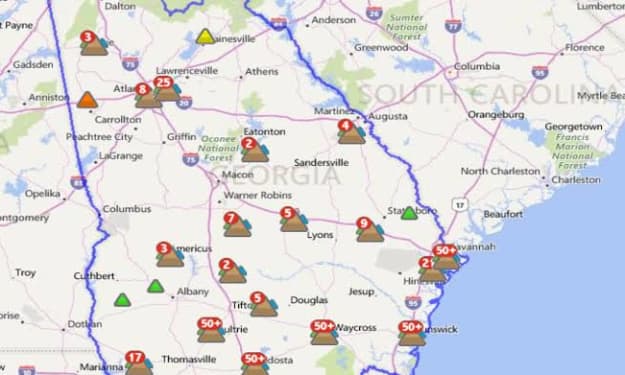
georgia power outage map
Power outages can be stressful, especially when they happen unexpectedly during severe weather. In Georgia, where storms, heavy rain, and strong winds are common, residents rely on accurate and timely information to stay prepared. One of the most trusted tools during these moments is the Georgia Power outage map, which provides real-time updates about electricity disruptions across the state. As Georgia weather continues to grow more unpredictable, understanding how to use this resource — and how it connects with local news coverage — has become increasingly important for households, businesses, and travelers alike. What Is the Georgia Power Outage Map? The Georgia Power outage map is an online platform that shows active power outages throughout Georgia. It allows users to view affected areas, the number of customers without power, and estimated restoration times. The map updates regularly, making it a reliable source during fast-changing situations such as thunderstorms or widespread weather events. During major storms, residents often check the outage map alongside local Atlanta news broadcasts to confirm whether power interruptions are isolated or part of a larger issue. This combination of real-time data and trusted reporting helps people make informed decisions. The Role of Weather in Atlanta Power Outages Weather in Atlanta can shift rapidly, particularly during spring and summer storm seasons. Thunderstorms, lightning strikes, falling trees, and high winds frequently contribute to power disruptions. Even during winter, ice accumulation and strong gusts can damage power lines and equipment. Meteorologists covering weather Atlanta events often explain how certain conditions increase the risk of outages. When these forecasts are paired with updates from Georgia Power, residents gain a clearer picture of what to expect before, during, and after a storm. Local outlets like WSBTV and Channel 2 News regularly provide storm coverage that includes outage information. Their reporting often highlights which counties or neighborhoods are most affected, offering context that goes beyond the map alone. Why Local News Coverage Matters While the outage map shows where electricity is down, local journalism adds depth and explanation. Atlanta news stations frequently interview GA Power representatives, emergency officials, and meteorologists to explain restoration efforts and safety concerns. For example, WSBTV may report on how many repair crews are deployed or whether road closures are slowing response times. Channel 2 News often shares safety reminders, such as avoiding downed power lines or using generators responsibly. This type of coverage is especially valuable during large-scale outages caused by severe Georgia weather, when thousands of customers may be affected at once. Impact on Travel and Critical Infrastructure Power outages don’t only affect homes. Transportation hubs, hospitals, and businesses must also prepare for potential disruptions. The Atlanta airport, one of the busiest in the world, closely monitors regional power conditions. Although the airport has backup power systems, widespread outages in surrounding areas can still cause delays or operational challenges. That’s why outage updates are often mentioned during breaking Atlanta news, especially when storms impact travel schedules. Businesses across metro Atlanta also rely on timely updates to decide whether to close early, switch to backup systems, or allow employees to work remotely. How Georgia Power Responds to Outages When outages occur, Georgia Power dispatches crews to assess damage and begin repairs as quickly as possible. Restoration times can vary depending on the severity of the damage and the number of customers affected. During major storms, GA Power often prioritizes critical facilities such as hospitals and emergency services. Local news outlets frequently explain this process so customers understand why some areas regain power sooner than others. By checking the outage map and following updates from Atlanta news sources, residents can track progress without relying on rumors or unverified social media posts. Staying Prepared During Georgia Weather Events Preparation is key when it comes to power outages. Experts recommend keeping emergency supplies on hand, including flashlights, batteries, and portable phone chargers. Staying informed through trusted sources like WSBTV, Channel 2 News, and official Georgia Power updates can reduce uncertainty during stressful situations. Understanding both weather in Atlanta forecasts and outage data allows residents to plan ahead — whether that means charging devices early, adjusting travel plans, or checking on vulnerable neighbors. Final Thoughts The Georgia Power outage map has become an essential tool for navigating power disruptions across the state. When combined with accurate reporting from Atlanta news outlets and up-to-date Georgia weather forecasts, it provides a clear and reliable picture during uncertain times. In a region where storms can develop quickly, staying informed isn’t just convenient — it’s necessary. By using the outage map and following trusted local coverage, Georgians can remain prepared, connected, and safer when the power goes out.
By Saboor Brohi 2 days ago in Earth
Why Earth is round why not plan?
For thousands of years, humans have wondered about the true shape of the world beneath their feet. Early civilizations imagined many possibilities: a flat disc, a giant mountain, or even a floating island. However, careful observation of nature, the sky, and the seas gradually revealed something remarkable — Earth is round. Not perfectly like a ball, but very close to a sphere, slightly flattened at the poles. This shape is called an oblate spheroid. The evidence for this conclusion comes from ancient observations, modern science, and direct images from space.
By Hamd Ullahabout 9 hours ago in Earth



Comments
There are no comments for this story
Be the first to respond and start the conversation.