
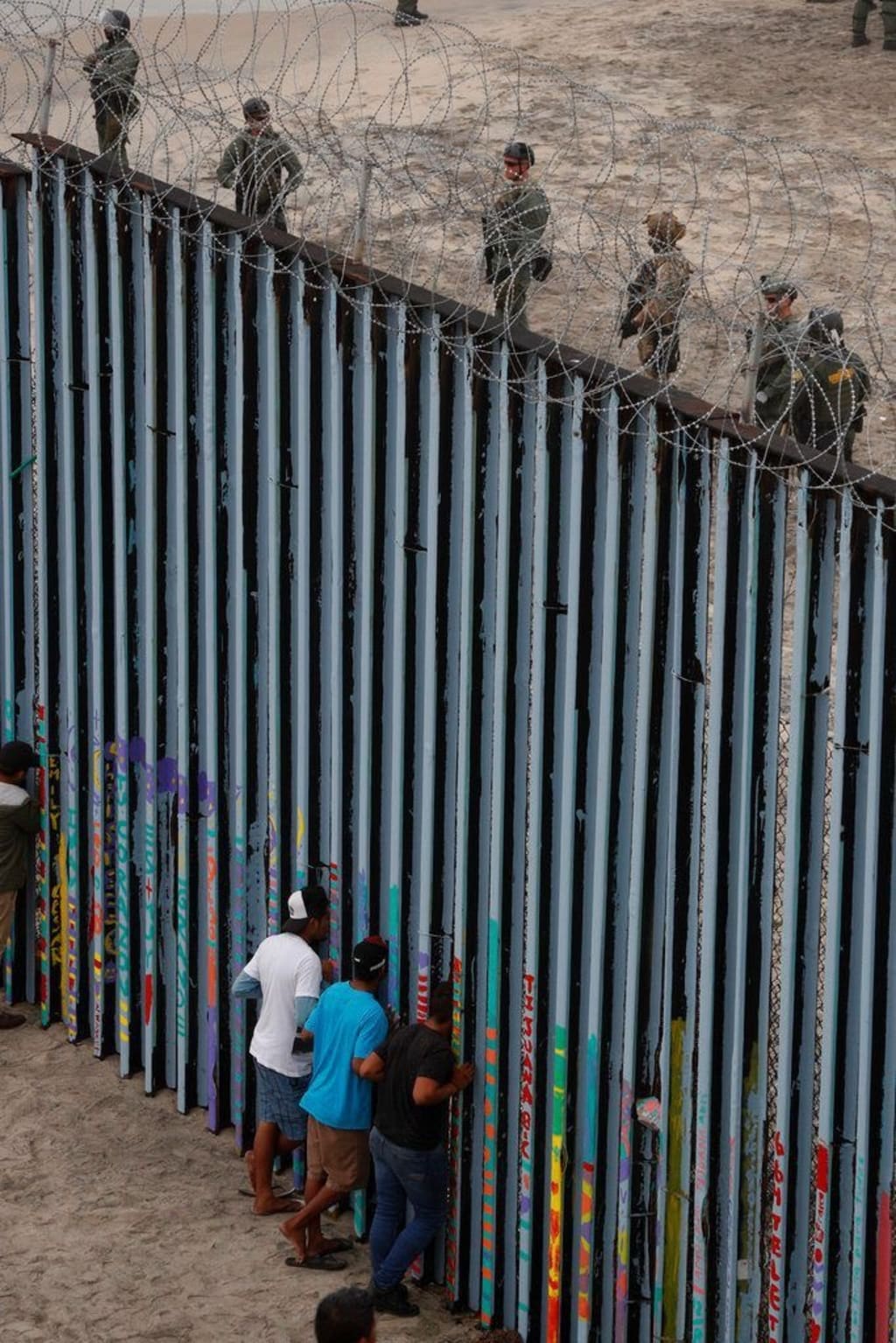
Immigration is a complex and multifaceted issue that often gives rise to misconceptions and misunderstandings. Here are some common misconceptions regarding immigration:
Immigrants are a burden on the economy: One common misconception is that immigrants, particularly those entering a country without legal authorization, are a drain on the economy. However, research generally indicates that immigrants contribute positively to the economy through labor force participation, entrepreneurship, tax payments, and consumption. Immigrants often fill gaps in the labor market, contribute to innovation, and bring diverse skills and perspectives that can spur economic growth.
Immigrants take jobs from native-born workers: There is a belief that immigrants, especially low-skilled ones, compete with native-born workers for jobs, leading to increased unemployment rates. However, numerous studies have shown that immigrants generally complement the native workforce rather than displacing it. Immigrants often take on jobs that are difficult to fill or that require specific skills, while also creating new job opportunities through entrepreneurship and consumption.
Immigrants abuse social welfare systems: It is often assumed that immigrants disproportionately rely on public assistance and welfare programs, straining the resources of the host country. However, immigrants, on average, tend to use public benefits at lower rates than native-born individuals. Additionally, many countries have strict eligibility criteria for welfare programs, which typically require a certain level of residency or citizenship.
Immigrants increase crime rates: There is a misconception that immigrants, particularly those from certain regions or backgrounds, contribute to higher crime rates in host countries. However, research generally suggests that immigrants have lower crime rates compared to the native-born population. Factors such as socioeconomic status, education levels, and cultural values tend to play a more significant role in crime rates than immigration status.
Immigrants refuse to assimilate: Assimilation refers to the process by which immigrants adopt the language, customs, and values of their host country. Some argue that immigrants are unwilling to assimilate, leading to social fragmentation and cultural tensions. However, studies indicate that immigrants often strive to integrate into their new communities, learn the language, and participate in the labor market. Immigrants' ability to assimilate can be influenced by various factors, including access to education, employment opportunities, and social acceptance.
Immigration leads to cultural homogeneity: There is a fear that immigration erodes the cultural identity of a host country, leading to a loss of national values and traditions. However, immigration can also enrich cultural diversity, promote intercultural understanding, and contribute to a vibrant and dynamic society. Immigrants often bring their unique cultural heritage, traditions, and perspectives, which can enhance social cohesion and economic vitality.
Power dynamics between immigrants and citizens can vary significantly depending on the context, immigration policies, socioeconomic factors, and the attitudes of the host society. It's essential to approach this with sensitivity and avoid generalizations, as power dynamics can be complex and multifaceted. Some key points to consider:
Legal Status: The legal status of immigrants often plays a crucial role in power dynamics. Immigrants with legal documentation and a clear path to citizenship may have greater access to rights, protections, and opportunities compared to those who are undocumented or have temporary status. Legal status can impact immigrants' ability to work, access social services, and fully participate in society, influencing their power dynamics vis-à-vis citizens.
Economic Factors: Socioeconomic factors play a significant role in power dynamics between immigrants and citizens. Immigrants may face challenges in finding employment commensurate with their skills and education due to language barriers, credential recognition issues, or discrimination. Economic disparities can create power imbalances, with citizens potentially perceiving immigrants as competition for jobs and resources, while immigrants may face economic vulnerabilities.
Social Integration: The degree of social integration can impact power dynamics between immigrants and citizens. Cultural, linguistic, and social barriers can hinder immigrants' integration into the host society, affecting their access to social networks, services, and opportunities. Limited social integration can lead to social exclusion, marginalization, and power differentials between immigrants and citizens.
Discrimination and Prejudice: Discrimination, prejudice, and stereotypes can significantly influence power dynamics. Negative perceptions and biases held by citizens towards immigrants can lead to social, economic, and political marginalization. Discrimination can restrict immigrants' access to employment, housing, education, and healthcare, exacerbating power imbalances.
Political Participation: Political participation and representation can influence power dynamics between immigrants and citizens. Immigrants' ability to engage in the political process, such as voting or holding public office, can impact their ability to shape policies that affect their lives. Limited political representation can contribute to power disparities, as immigrants may have less influence over decisions that directly impact their communities.
It is essential to critically evaluate these misconceptions and consider Policies and public discourse that strengthen it as a factor that can not be overemphasized in terms of power relation and global conduct of peace and serenity.Nuanced understanding, and respect for the human rights and dignity of all individuals, regardless of their immigration status is undeniably important
About the Creator
Keep reading
More stories from Emmanuel Ozigi and writers in Humans and other communities.
DOPAMINE
Once upon a time in a small town, there lived a young girl named Lily. Lily was an extraordinary artist who could bring life to her canvases with her vibrant brushstrokes and vivid imagination. Her passion for art fueled her every day, but there was something special about the way she felt when she painted—something she couldn't quite put into words.
By Emmanuel Ozigi3 years ago in Fiction
Whiskey At Dusk
Guess the whiskey was more important to you in the end, wasn’t it? It was more than the well-being of your friends; more vital than showing up to the places you promised you would and could come to; more critical of a matter than fulfilling your damn responsibilities and getting the press off your back.
By Snarky Lisa2 days ago in Humans
My Old Friend
My Friend (Chinese Folktale) This is a traditional Chinese folktale. Long ago, animals resembling today’s black-and-white pandas did not exist. Instead, deep in China’s bamboo forests lived white bears with soft, shining fur, as bright as freshly fallen snow. These bears were called Bai Xiang, meaning “white bears.”
By Sudais Zakwana day ago in Humans
The Summer I Was Chosen by a Northern Mockingbird
During the long, suspended days of the pandemic, a wild mockingbird began visiting my driveway and chose me, again and again. What started as a strange encounter became a brief, meaningful connection that I still carry with me.
By Erica Roberts 7 days ago in Petlife


Comments
There are no comments for this story
Be the first to respond and start the conversation.