
Biochar vs Charcoal: Which Is Greener for the Planet?
Which Is Greener for the Planet?

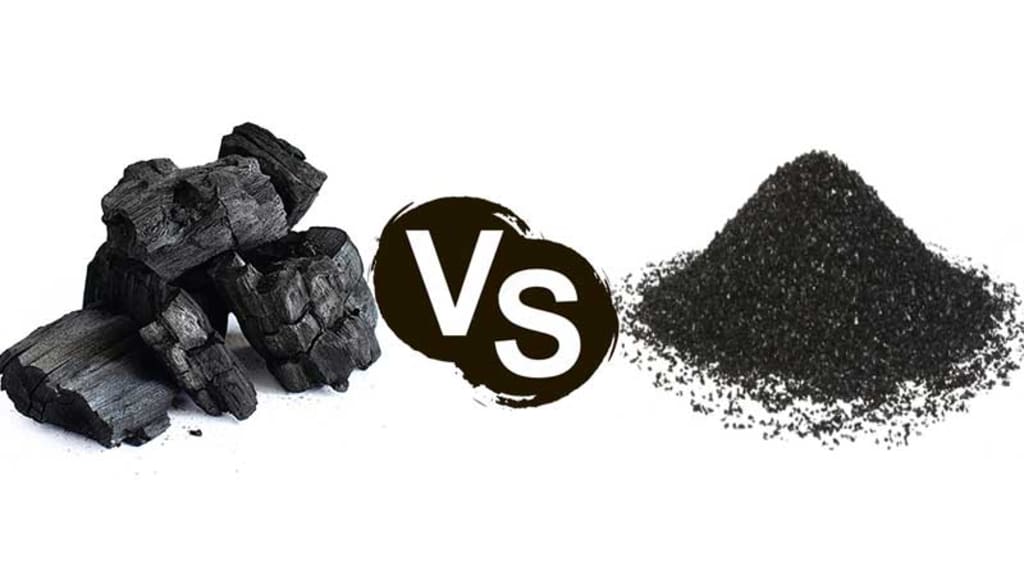
As global conversations around sustainability, climate change, and ecological restoration grow louder, it becomes increasingly important to re-evaluate everyday materials and practices. One such comparison that often comes up in environmental circles is between biochar and charcoal. Though they may look and even smell similar, these two carbon-rich substances are vastly different in terms of their environmental impact, purpose, and long-term benefits.
In this article, we’ll explore the fundamental differences between biochar and charcoal, compare their production processes, evaluate their ecological consequences, and explain why biochar is emerging as a powerful tool in the global fight against climate change.
What Are Biochar and Charcoal?
At their core, both biochar and charcoal are produced through a process called pyrolysis—a thermal decomposition of organic matter in the absence (or near absence) of oxygen. This results in a solid carbonaceous material. However, the intention behind their creation and usage diverges:
Charcoal is primarily made for combustion. It’s commonly used as a fuel source for cooking, heating, and even industrial processes.
Biochar is specifically produced for agricultural and environmental applications, particularly soil amendment and carbon sequestration.
This crucial difference in purpose sets the stage for their contrasting environmental footprints.
Production Methods: The Role of Efficiency and Feedstock
Charcoal production—especially in developing regions—is often characterized by traditional earth-mound kilns or inefficient brick kilns. These methods have low energy efficiency and release significant quantities of pollutants, including carbon dioxide (CO₂), methane (CH₄), and black carbon (a potent climate-warming agent).
Biochar, in contrast, is typically created using more controlled and advanced pyrolysis technologies. These modern systems are designed to capture and sometimes utilize the volatile gases and oils released during production, converting them into renewable energy. This "bioenergy with carbon capture and storage" (BECCS) approach enables a carbon-negative process.
Another key distinction is the type of biomass used:
Charcoal often requires high-quality hardwoods, contributing to deforestation.
Biochar is made from agricultural residues (such as corn stalks, rice husks), forestry by-products, animal manure, or even invasive species—waste materials that would otherwise emit greenhouse gases during decomposition or incineration.
Climate Impact: Biochar as a Carbon Sink
One of the must compelling arguments in favor of biochar is its ability to sequester carbon long-term. When plant material decomposes naturally, or when it’s burned (as with charcoal), the carbon stored in it is quickly released back into the atmosphere. However, when that same biomass is converted into biochar and buried in soil, up to 50% of the carbon can be locked away for centuries or even millennia.
This makes biochar a valuable carbon sink, an essential component of climate mitigation strategies. According to the Intergovernmental Panel on Climate Change (IPCC), biochar has the potential to offset up to 1.8 gigatonnes of CO₂-equivalent per year by 2050 under favorable policy and market conditions.
Emissions Profile: A Tale of Two Carbons
Charcoal production contributes significantly to air pollution and climate change:
- Releases substantial CO₂ during combustion.
- Emits black carbon, which not only accelerates global warming but also affects respiratory health.
- Often leads to habitat loss due to unsustainable wood harvesting.
Biochar, on the other hand:
- Retains a large portion of carbon in solid form, reducing atmospheric CO₂.
- Modern biochar systems minimize harmful emissions during production.
- Avoids the need for virgin wood, instead utilizing waste streams.
Soil Health: Biochar’s Agricultural Edge
Unlike charcoal, which offers no residual benefit after being burned, biochar continues to give back—especially to soil.
When added to soil, biochar provides numerous ecological and agricultural advantages:
- Enhances nutrient retention: Its porous structure acts like a sponge, holding onto nutrients and water that would otherwise leach away.
- Supports beneficial microbes: Biochar from biochar machine creates habitat for soil microbiota, which are critical for nutrient cycling and plant health.
- Improves soil structure: Increases aeration and reduces compaction, especially in degraded soils.
- Reduces the need for chemical fertilizers: Leading to lower agricultural emissions and cost savings for farmers.
In tropical and temperate regions, studies have shown yield increases of 10–30% when biochar is properly applied to crops.
Resource Sustainability: Waste-to-Value vs. Resource Extraction
Charcoal production often depends on cutting down trees, many of which are centuries old or part of fragile ecosystems. In countries where governance is weak, this has led to rampant deforestation, desertification, and biodiversity loss.
Biochar, on the other hand, turns waste into a resource. Crop residues, forestry waste, and even organic municipal waste—materials that would otherwise decompose or be burned—are given new life as a soil amendment and climate solution.
Circular Economy Potential
Biochar is emblematic of the circular economy:
- It reuses local waste materials.
- It creates value-added products for agriculture.
- It stores carbon in the soil instead of emitting it into the air.
- It produces bioenergy as a byproduct, supporting rural energy needs.
Charcoal, in contrast, represents a linear and extractive model—cut, burn, use, discard.
Global Outlook: Where Are We Heading?
The production and use of charcoal remain entrenched in many parts of the world due to a lack of alternatives and affordability. However, awareness is growing. NGOs, researchers, and governments are beginning to promote cleaner cookstove technologies and the transition to sustainable fuels.
Meanwhile, biochar is gaining momentum across agriculture, climate policy, and even construction (as an additive in concrete or insulation). Major initiatives such as the European Biochar Certificate and the U.S.-based International Biochar Initiative are helping standardize production and increase market adoption.
Conclusion: Biochar Is the Sustainable Choice
While both charcoal and biochar come from biomass, their paths diverge dramatically after that. Charcoal is a short-term energy source with significant environmental downsides. Biochar, on the other hand, is a long-term investment in soil health, carbon sequestration, and sustainable agriculture.
In the age of climate crisis, it’s clear which path is greener.
Biochar isn’t just a black material—it’s a golden opportunity.
About the Creator
Bestonpyrolysis
Engaged in waste plastic/tyre/rubber recycling, oil sludge treatment, biomass recycling, sewage sludge management and paper recycling…
https://bestonpyrolysisplant.com/
Keep reading
More stories from Bestonpyrolysis and writers in Earth and other communities.
Variety of Feedstocks for Biomass Pyrolysis
Biomass pyrolysis is a promising process for converting organic materials into valuable products, including bio-oil, biochar, and syngas. These products offer alternatives to fossil fuels and have applications in energy production, soil enhancement, and chemical manufacturing. The process itself involves heating organic materials in the absence of oxygen, which leads to the thermal decomposition of the biomass. One of the key factors in optimizing biomass pyrolysis is the choice of feedstock.
By Bestonpyrolysisabout a year ago in Earth
Tomorrow's World, Today's Choices: Technology and the Human Future
There is a peculiar blindness that afflicts every generation standing at the threshold of transformative change. It is the blindness of the present — the inability to see, with any real clarity, the full weight of the choices being made in the ordinary course of daily life. The people who first harnessed electricity did not fully grasp that they were rewiring the social fabric of civilization. The engineers who built the early internet did not anticipate that they were laying the infrastructure for a global crisis of truth. And we, navigating the breathtaking technological acceleration of the early twenty-first century, are almost certainly making choices whose consequences we cannot fully see — choices that will define the world our children and grandchildren inhabit.
By noor ul amin4 days ago in Earth



Comments
There are no comments for this story
Be the first to respond and start the conversation.