
Beyond the Postcard: Why Travel Still Matters in a Hyperconnected World
From slow travel to digital nomadism, sustainability to self-discovery—how modern journeys reshape our minds, economies, and the planet.
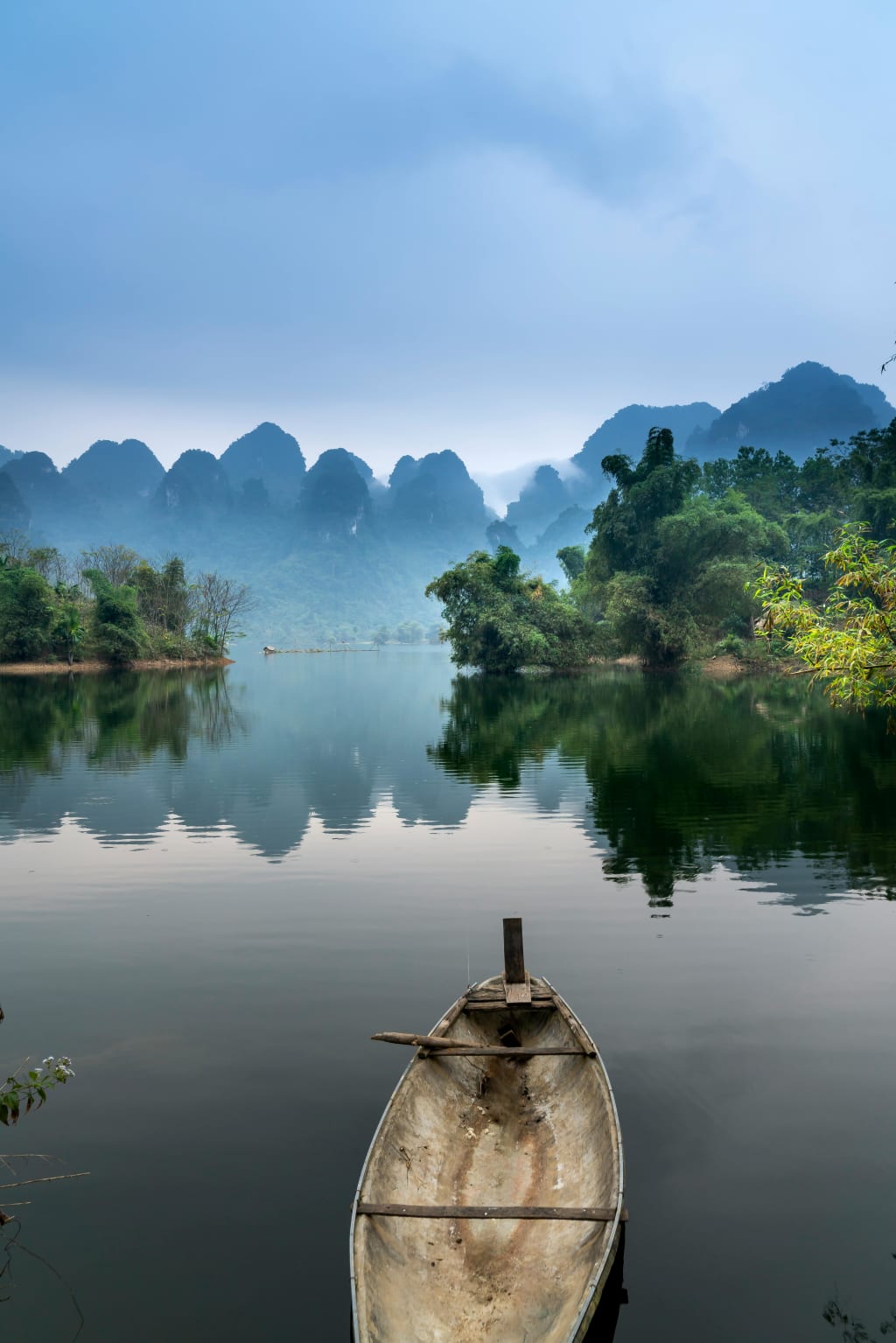
Title:
Beyond the Postcard: Why Travel Still Matters in a Hyperconnected World
Subtitle:
From slow travel to digital nomadism, sustainability to self-discovery—how modern journeys reshape our minds, economies, and the planet.
---
Introduction
In an age where we can “visit” almost anywhere through a screen, the question naturally arises: does travel still matter? The answer is a resounding yes. Stepping into unfamiliar streets, tasting food you can’t pronounce, and listening to stories told in accents you’ve never heard does something no video or VR headset can replicate—it transforms you. Travel is education, therapy, challenge, and celebration rolled into one, and its relevance is only growing as our world becomes more interconnected and, paradoxically, more divided. This article explores why travel continues to matter, how it’s changing, and how to do it thoughtfully.
---
1) Travel as Education You Can’t Download
Classrooms teach history; travel lets you stand where it happened. Museums curate culture; travel lets you share tea with it. Whether you’re tracing the Silk Road markets of Uzbekistan, wandering through the ruins of Machu Picchu, or volunteering on an organic farm in rural Italy, travel turns abstract concepts—economics, religion, climate, migration—into lived experiences. You learn to read more than maps: you read people, contexts, and nuance. That is the kind of literacy no textbook can fully impart.
---
2) The Rise of Slow Travel
Gone are the days when travelers bragged about how many countries they blitzed through in a week. Slow travel—staying longer, moving less, and immersing deeper—is on the rise. It favors local guesthouses over global chains, farmers’ markets over fast food, and train rides over quick flights. You exchange checklists for conversations, photos for friendships, itineraries for curiosity. The result? A richer understanding of place and a smaller environmental footprint.
---
3) Digital Nomads and the Geography of Work
Remote work didn’t invent the digital nomad lifestyle, but it certainly popularized it. From Lisbon to Chiang Mai, Medellín to Tbilisi, cities now court location-independent professionals with co-working hubs, friendly visa policies, and thriving expat communities. This new mobility is rewriting the relationship between jobs and geography. Yet it also brings responsibilities: nomads must respect local cultures, economies, and housing markets to avoid becoming unintentional agents of displacement.
---
4) Sustainability: Traveling Light on a Heavy Planet
Travel, especially air travel, carries a carbon cost. Conscious travelers are responding by:
Favoring trains, buses, and car-shares when possible
Offsetting emissions (ideally through transparent, high-integrity programs)
Choosing eco-certified hotels and locally owned stays
Traveling off-season to reduce strain on overtouristed destinations
Packing lighter (every kilogram counts on a plane)
Supporting conservation and community-led tourism initiatives
Sustainable travel isn’t about guilt; it’s about stewardship—leaving places better than you found them.
---
5) Wellness, Retreats, and the Search for Stillness
Modern travel isn’t just about motion; it’s about restoration. Wellness retreats, meditation residencies, yoga teacher trainings, forest bathing, and pilgrimages like the Camino de Santiago have surged in popularity. Travelers seek silence after noise, intentionality after burnout, slowness after speed. The journey inward can be as transformative as the journey outward.
---
6) Cultural Respect: Beyond “Do as the Romans Do”
“Respect the culture” is good advice—but it’s often vague. Practically, it means:
Learning basic phrases in the local language
Dressing appropriately in sacred spaces
Asking before photographing people
Understanding tipping norms and bargaining etiquette
Researching local customs, taboos, and historical sensitivities
Spending money where it benefits local communities, not just multinational chains
Cultural respect isn’t performance; it’s partnership.
---
7) Tech-Enabled Travel: Smarter, but Not Always Better
Apps translate menus instantly, GPS keeps you from getting lost, and social media supplies endless “hidden gems.” But the algorithm can narrow your view just as easily as it expands it—sending millions to the same “secret” café. Balance the convenience of tech with intentional discovery: get recommendations from locals, wander without a map, and let serendipity be your guide once in a while.
---
8) Safety, Preparedness, and Responsible Risk
Adventure doesn’t have to mean recklessness. Smart travelers:
Check visa rules, entry requirements, and travel advisories
Buy travel insurance (medical + evacuation coverage matters)
Back up documents digitally and carry copies
Share itineraries with trusted contacts
Learn basic first aid and local emergency numbers
Respect natural hazards—riptides, altitude sickness, wildlife, weather
The point isn’t to remove uncertainty; it’s to navigate it wisely.
---
9) Post-Pandemic Shifts: Meaning Over Mileage
The pandemic reset how many people think about travel. Instead of racing to tick off countries, travelers increasingly prioritize meaningful experiences: road trips to overlooked towns, longer stays in fewer places, domestic exploration, and trips built around learning, volunteering, or reconnecting with family and nature. Quality over quantity is the new currency of memorable travel.
---
10) Practical Tips for More Rewarding (and Responsible) Journeys
Pick a theme: food, architecture, music, literature, hiking—let curiosity shape your route.
Travel shoulder season: fewer crowds, lower costs, happier locals.
Pack a “gift kit”: small items (postcards from home, stickers for kids, or local-language books you’re done with) can create connection.
Journal intentionally: capture not just what you saw, but what you felt, learned, and questioned.
Budget for impact: allocate part of your spending to local NGOs, artisans, or social enterprises.
Leave reviews for small businesses: they can make or break a local livelihood.
---
Conclusion: The Journey Changes the Traveler
Travel is not a luxury reserved for the few; it’s a form of lifelong learning that can be tailored to any budget, schedule, or personality. It can be as close as the village next door or as distant as the other side of the world. What matters is how you go: with curiosity, humility, care, and openness. In a time when echo chambers grow tighter and screens mediate our world, travel remains one of the last, best ways to meet difference face-to-face—and to discover, again and again, how much we share.
So, pack your bags—or your daypack. The world is waiting, and so is a deeper version of you.
About the Creator
Keep reading
More stories from Rahmat Ullah Khan and writers in Earth and other communities.
Climate Change: The Defining Challenge of Our Time
Climate change is one of the most pressing issues facing humanity in the 21st century. It refers to long-term changes in Earth’s temperature, weather patterns, and climate systems. While the planet’s climate has naturally changed throughout history, the changes observed today are occurring much faster and are largely caused by human activities. Scientists around the world warn that if these changes continue unchecked, they could have severe consequences for ecosystems, economies, and societies.
By Irshad Abbasi 2 days ago in Earth


Comments (2)
Great
Good