
Best Heritage Sites for a Day Tour in Kathmandu
In this guide, we’ll cover the best heritage sites for a day tour in Kathmandu, tips on planning your route, and what to look out for to make the most of your cultural journey.

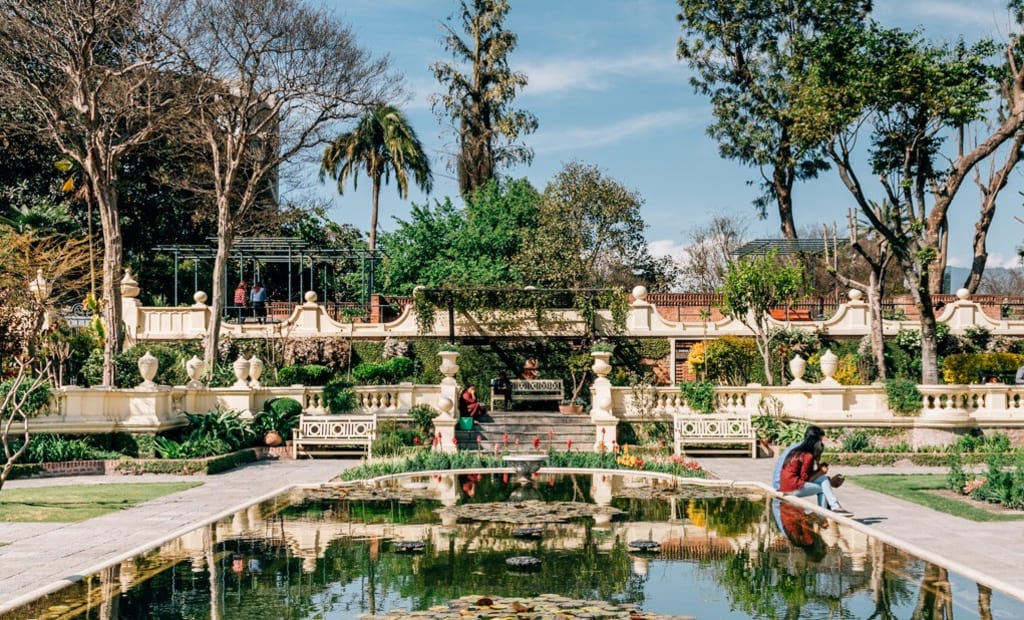
Kathmandu, the vibrant capital of Nepal, is a living museum of ancient temples, palaces, and courtyards. It is home to seven UNESCO World Heritage Sites, each reflecting centuries of rich history, spiritual depth, and architectural brilliance. If you have only one day to explore the city, you can still immerse yourself in some of the finest heritage sites in Kathmandu—all within a short distance of each other.
Why Choose a Heritage Tour in Kathmandu?
A day tour of Kathmandu’s heritage sites offers a glimpse into the heart of Nepalese identity. These monuments reflect a blend of Hinduism and Buddhism, Newar architecture, and the legacy of the Malla kings. From bustling Durbar Squares to serene stupas and sacred cremation ghats, the city offers a profound cultural experience without the need for long travel.
1. Kathmandu Durbar Square – The Historic Heart of the City
Start your day at Kathmandu Durbar Square, a UNESCO-listed complex of palaces, temples, and courtyards located in the heart of the old city.
Highlights:
• Hanuman Dhoka Palace: Once the royal residence of the Malla kings and Shah dynasty.
• Kumari Ghar: Home of the Living Goddess, the Kumari.
• Taleju Temple: A three-roofed temple built in the 16th century, dedicated to the goddess Taleju Bhawani.
Despite damage from the 2015 earthquake, restoration efforts have preserved much of its former grandeur. The square is ideal for history enthusiasts, architecture lovers, and those wanting to see the intersection of politics and religion in Nepal’s past.
2. Swayambhunath Stupa (Monkey Temple) – Spiritual Vantage Point
Perched atop a hill overlooking the Kathmandu Valley, Swayambhunath is one of the most iconic symbols of Nepal. Also known as the Monkey Temple, it’s a major pilgrimage site for both Buddhists and Hindus.
Highlights:
• The large white stupa with painted Buddha eyes.
• Colorful prayer flags fluttering in the wind.
• A 360-degree panoramic view of the city.
• Temples, shrines, and a museum surrounding the main dome.
To reach the stupa, climb the steep stone staircase flanked by mischievous monkeys. It’s best to visit in the morning when the air is fresh and the site is less crowded.
3. Pashupatinath Temple – Sacred Hindu Site on the Bagmati River
One of the holiest Hindu temples in the world, Pashupatinath is dedicated to Lord Shiva and sits along the banks of the Bagmati River.
Highlights:
• Golden-roofed pagoda temple (non-Hindus cannot enter the inner sanctum).
• Open-air cremation ghats.
• Sadhu (Hindu ascetic) encounters.
• Rituals and prayers performed daily.
Pashupatinath is a place of deep spirituality and cultural significance. Watching the cremation ceremonies may be emotional, but they offer insight into the Hindu understanding of life and death.
4. Boudhanath Stupa – Center of Tibetan Buddhist Culture
Just a short drive from Pashupatinath, Boudhanath Stupa is one of the largest and most peaceful stupas in the world. It’s the spiritual heart of the Tibetan community in Nepal.
Highlights:
• Giant white dome with the all-seeing eyes of the Buddha.
• Monasteries and gompas surrounding the stupa.
• Tibetan butter lamps, prayer wheels, and mantras echoing through the air.
• Rooftop cafés perfect for relaxing with a view.
Visit in the late afternoon when monks chant prayers and pilgrims walk the kora (circumambulation) around the stupa under glowing lights.
5. Patan Durbar Square – A Showcase of Newar Craftsmanship
If time allows, cross the Bagmati River to Lalitpur (Patan) and explore another UNESCO-listed site—Patan Durbar Square.
Highlights:
• Ancient royal palace and museum.
• Krishna Mandir: A unique temple built entirely of stone.
• Mahabouddha Temple: A terracotta marvel resembling the Mahabodhi Temple of Bodh Gaya.
• Intricate wood carvings and stone sculptures.
Patan is quieter than Kathmandu Durbar Square but equally rich in art and culture. The Patan Museum offers a well-curated collection on Nepali art and Hindu-Buddhist iconography.
Sample Day Tour Itinerary
Here’s how you can explore the major sites in one full day:
• 8:00 AM – Start at Kathmandu Durbar Square
• 10:00 AM – Head to Swayambhunath (15 mins drive)
• 12:00 PM – Visit Pashupatinath Temple
• 1:30 PM – Lunch near Boudhanath Stupa
• 2:30 PM – Explore Boudhanath Stupa
• 4:00 PM – Optional trip to Patan Durbar Square
• 6:00 PM – Return to your hotel or enjoy dinner in Thamel
Hiring a local guide or joining a heritage day tour can enhance your experience and ensure smooth logistics.
Travel Tips for Your Heritage Tour
• Dress modestly, especially at religious sites. Avoid sleeveless tops and shorts.
• Remove shoes before entering temples and shrines.
• Respect photography rules, particularly around cremation ghats and inner temples.
• Stay hydrated, wear sunscreen, and carry small cash for entry tickets and tips.
• Plan for traffic in Kathmandu, especially during peak hours.
Entry Fees (Subject to Change)
• Kathmandu Durbar Square: NPR 1,000 for foreigners
• Swayambhunath: NPR 200
• Pashupatinath: NPR 1,000
• Boudhanath: NPR 400
• Patan Durbar Square: NPR 1,000
Combo tickets are available through tour operators, and students with valid IDs may get discounts.
Final Thoughts
Kathmandu’s heritage sites are more than tourist destinations—they’re living testaments to Nepal’s spiritual and cultural journey. From ancient kings and religious rituals to stunning architecture and timeless traditions, a day tour through Kathmandu’s historic core offers a powerful, personal connection to the country’s identity.
Whether you’re a history lover, cultural explorer, or spiritual seeker, these top heritage sites in Kathmandu will leave you inspired, enlightened, and eager to return.
About the Creator
Anya Gurung
I am a traveller/explorer
Keep reading
More stories from Anya Gurung and writers in Earth and other communities.
Chasing 8,000 Meters: My Manaslu Expedition Story
Mount Manaslu, the "Mountain of the Spirit," stands at 8,163 meters, the eighth-highest mountain in the world. It's less commercial than Everest, quieter than Cho Oyu, and yet every bit as formidable. For me, Manaslu wasn’t just about reaching another 8,000-meter summit—it was about testing myself, mentally and physically, in one of the most demanding environments on Earth.
By Anya Gurung9 months ago in Earth
UK Exposed to ‘Serious Harm’ by Failure to Tackle AI Risks, MPs Warn
The United Kingdom is facing growing warnings from Parliament that its approach to regulating artificial intelligence (AI) could leave citizens and the financial system exposed to serious harm. A recent report by the House of Commons Treasury Select Committee criticizes the government for a “wait-and-see” attitude toward AI risks, especially in financial services.
By Aarif Lashari4 days ago in Earth


Comments
There are no comments for this story
Be the first to respond and start the conversation.