
Benefits of Biochar Production from Forest Management Waste
Transforming Forest Waste into Sustainable Resources


Biochar production from forest management waste offers a sustainable solution to some of the most pressing environmental and ecological challenges today. By converting forest residues, such as deadwood, branches, and leaves, into biochar, a high-value material, this process presents an array of benefits ranging from improved fire prevention strategies to contributing to global sustainability goals (SDGs). The multifaceted advantages of biochar production extend beyond waste management, addressing key issues related to forest carbon sinks, soil health, and climate change mitigation.
Enhancing Fire Prevention through Waste Utilization
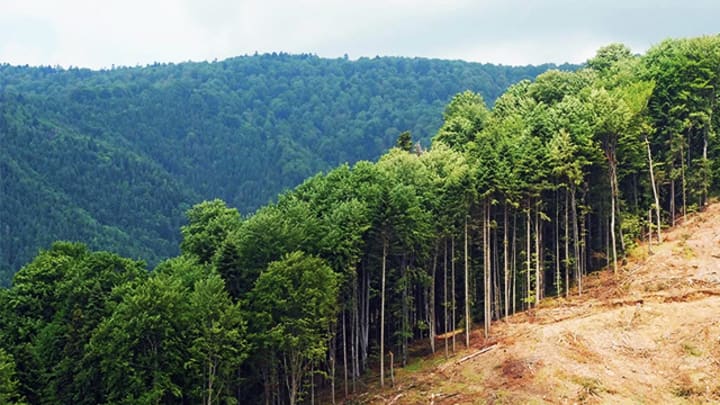
One of the most immediate advantages of biochar production from forest management waste is its potential role in fire prevention. Forests, especially those in fire-prone areas, often accumulate a significant amount of combustible organic material, including fallen branches, dry leaves, and dead trees. These materials create a high risk of wildfires, which not only destroy ecosystems but also release vast amounts of carbon into the atmosphere.
By utilizing forest waste in biochar production, these potentially hazardous materials are removed from the forest floor, effectively reducing the fuel load. The conversion of this waste into biochar can be done in controlled pyrolysis processes, preventing the buildup of biomass that could otherwise ignite and cause wildfires. This strategy serves a dual purpose: it both mitigates fire risks and generates a useful byproduct in the form of biochar, which can be used for soil enrichment and carbon sequestration.

Contribution to Forest Carbon Sink Enhancement
Biochar production from forest management waste also directly contributes to enhancing the forest carbon sink. Forests act as crucial carbon sinks, capturing and storing large amounts of carbon dioxide from the atmosphere. However, when forest waste decomposes or is burned, it releases carbon back into the air. By converting this waste into biochar, carbon is locked in a stable, solid form, preventing its release as CO2.
The biochar created in this process is highly stable, with a residence time of hundreds or even thousands of years in the soil. This long-term sequestration of carbon plays a significant role in offsetting emissions and can be a valuable tool in combating climate change. Biochar's ability to store carbon makes it an effective complement to other forest management strategies aimed at increasing the forest's role as a carbon sink.
Enhancing Soil Fertility and Agricultural Productivity
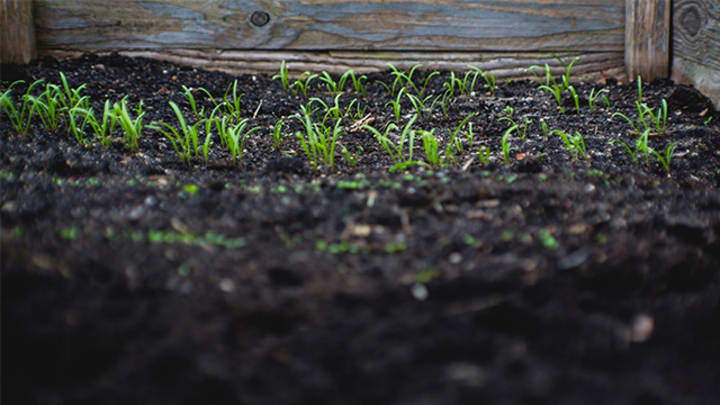
Another major benefit of biochar production from forest management waste is its positive impact on soil health. Biochar has been shown to improve soil structure by increasing porosity, water retention, and nutrient-holding capacity. When added to soils, biochar can help enhance microbial activity, providing a fertile ground for plant growth.
For agricultural sectors, the addition of biochar to soils can lead to improved crop yields. Biochar’s ability to retain water and nutrients makes it particularly beneficial in regions with poor, arid, or degraded soils. This is particularly important for areas that rely on forest management waste for biochar production, as it provides an additional economic incentive for forest biomass utilization. By improving soil fertility, biochar helps ensure the long-term sustainability of land productivity and food security.

Advancing the SDGs through Sustainable Practices
The production of biochar from forest management waste directly supports several Sustainable Development Goals (SDGs). Specifically, it aligns with SDG 13 (Climate Action) by contributing to the reduction of greenhouse gas emissions through carbon sequestration. Additionally, it contributes to SDG 15 (Life on Land), which focuses on sustainable land management practices and protecting ecosystems.
By integrating biochar production into forest management practices, communities can transition toward a more circular and sustainable economy, where waste is converted into valuable resources. This practice encourages the responsible management of forest resources and aligns with global sustainability efforts. Furthermore, biochar production can support SDG 8 (Decent Work and Economic Growth) by creating green jobs in sectors related to sustainable forestry, agriculture, and waste management.
Mitigating the Impact of Forest Waste Disposal
Traditionally, forest management waste is either left to decay naturally or burned in open fires, both of which pose environmental risks. Decaying biomass emits methane, a potent greenhouse gas, and open burning releases both CO2 and particulate matter into the atmosphere. Both methods contribute to air pollution and hinder efforts to reduce overall emissions.
Biochar production presents a cleaner alternative. Instead of allowing forest waste to decompose or burn unchecked, converting it into biochar helps prevent the emission of methane and reduces the environmental damage caused by open burning. The process is controlled, minimizing air pollution and making it a more sustainable method for managing forest residues.
Economic Value of Biochar Production
Besides its environmental benefits, biochar production from forest management waste has significant economic advantages. The value of biochar as a soil amendment is well-established, and its demand in agricultural and horticultural industries continues to grow. Biochar’s ability to improve soil health and increase agricultural productivity creates market opportunities for the product, making it a potentially lucrative addition to forest management practices.
Moreover, biochar production can create local jobs in rural areas, particularly in regions dependent on sustainable forestry. As biochar becomes more integrated into agricultural practices, additional economic opportunities may emerge in carbon credit trading, particularly for entities focused on offsetting emissions through carbon sequestration.
Achieving Long-Term Sustainability
The advantages of biochar production from forest management waste extend beyond immediate environmental gains. By incorporating biochar into long-term land management strategies, communities can build more resilient ecosystems, increase soil fertility, and reduce the carbon footprint associated with traditional waste disposal practices. This form of biochar production is an essential component of a comprehensive strategy to address climate change, promote sustainable land management, and contribute to the global sustainability goals (SDGs).
Through its multifaceted contributions to fire prevention, forest carbon sequestration, soil health, and sustainable economic practices, biochar production offers an invaluable tool for transforming forest management waste into an environmentally and economically beneficial resource. As global interest in biochar grows, its widespread application may become a cornerstone of sustainable forest management and climate change mitigation strategies.
About the Creator
Keep reading
More stories from Wayne Shen and writers in Earth and other communities.
The Role of Sustainable Plastic Recycling in a Circular Economy
The growing environmental impact of plastic waste has become a major concern for industries, governments, and environmentalists worldwide. As plastic pollution continues to dominate landfills, oceans, and ecosystems, sustainable plastic recycling has emerged as a critical solution. One of the more promising developments in this field is the transformation of waste plastic into valuable resources, such as fuel. Through advanced methods like pyrolysis, plastic waste can be repurposed into a range of energy products, driving both environmental and economic benefits.
By Wayne Shenabout a year ago in Earth
Sacred Words in a City of War
The night sky over the Gaza City was never truly dark anymore. Even after sunset, the horizon glowed faintly with the light of distant fires and explosions. Buildings that once held families, laughter, and ordinary life had become broken shadows of concrete and dust.
By Truth words about 15 hours ago in Earth
A Knight of the Seven Kingdoms Series Review (Season 1)
As one of the biggest properties in fantasy, A Song of Ice and Fire remains immensely popular with audiences. After reaching far into the past with House of the Dragon, a second spin-off was on the cards. A Knight of the Seven Kingdoms serves up a bite-sized slice of action and drama, but it still claims a spot among the best small-screen titles.
By Robert Cain7 days ago in Geeks


Comments
There are no comments for this story
Be the first to respond and start the conversation.