
Beneath the Surface
The struggle with plastic pollution through the Eyes of Tamara Adame.

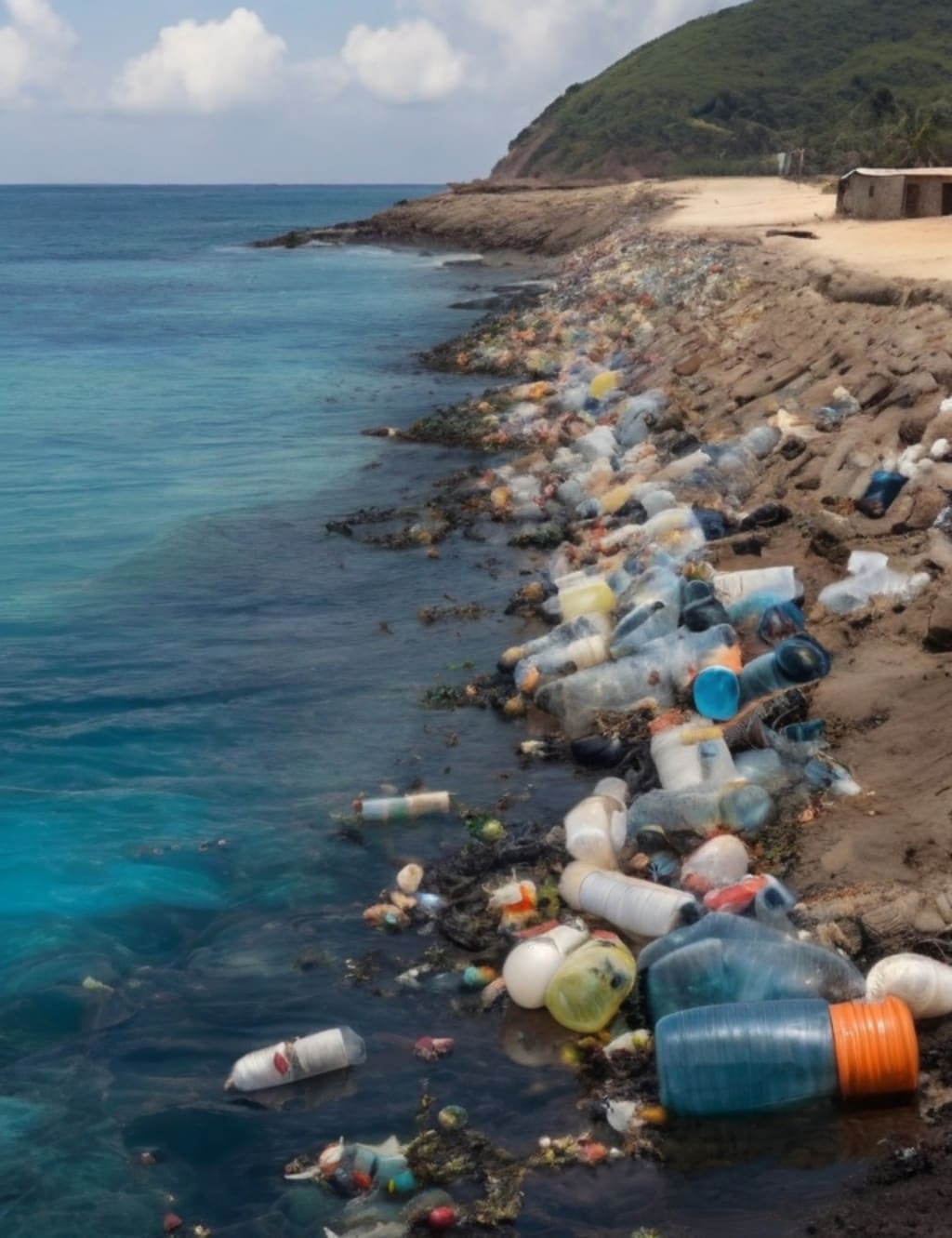
The Caribbean coastline of the YucataCaption: Dive into the heart of the Caribbean, where a diver's battle against plastic pollution mirrors the universal fight for our oceans. Explore the hidden world beneath the waves, where hope glimmers amid the debris.n Peninsula has long been renowned for its pristine beaches, crystal-clear azure waters, and a rich tapestry of marine life. A haven for both nature enthusiasts and locals, it beckons with promises of breathtaking underwater vistas. Yet, beneath this idyllic surface lies a stark tale, a narrative woven not by nature's whims but by the relentless tide of pollution.
In a world where millions of tons of plastic are churned out annually, our oceans bear the weight of this human-made deluge. The shores of Yucatan, despite their natural splendor, have become a battleground for diver Tamara Adame, whose valiant struggle against the growing plastic waste that entangles Yucatan's reefs, threatens marine life, and imperils her very livelihood. From my point of view and as against the backdrop of similar situations around the world.
The Hidden Plague Beneath the Waves
Beneath the depths of the ocean, one can see the exposing hidden plague that corrodes the vitality of the underwater ecosystems. Plastic, the ubiquitous product of modern living, surreptitiously infiltrates our once-pristine marine environment.
Tamara Adame, maneuvers through an unsettling seascape of plastic debris. Discarded bottles, bags, and fragments of synthetic materials form an eerie mosaic, ensnaring delicate coral and strangling the vibrant marine life. The Yucatan reefs, once a thriving haven for biodiversity, now bear witness to the consequences of plastic addiction.
A Battle for Survival
Tamara's journey unfolds against the backdrop of a marine environment under siege. With determination etched on her face, she meticulously extracts plastic waste, a Sisyphean task in the face of the relentless ocean currents depositing fresh refuse daily. Her efforts extend beyond mere cleanup; they echo a plea for collective responsibility.
The toll on marine life is evident in our world today. Exotic fish navigate through plastic canyons, struggling to discern between the synthetic and the organic. Sea turtles, majestic creatures of the deep, become unwitting victims, ensnared in abandoned fishing nets and suffocated by discarded plastic bags. The once-vibrant coral reefs, now muted beneath a film of debris, teeter on the brink of collapse.
The Ripple Effect: Consequences for Human Life
Beyond the immediate impact on marine ecosystems, this story unravels the ripple effect that extends to human life. Millions of people, not just Tamara, whose livelihood is intricately linked to the health of the ocean, would share a similar narrative. The once-thriving fishing community faces economic uncertainty as plastic pollution disrupts traditional fishing grounds and erodes the fish population.
Moreover, the human health implications emerge as plastics break down into microplastics, infiltrating the very fabric of the food chain. Seafood, a staple for coastal communities, becomes a potential carrier of toxins, posing a silent threat to those whose lives are intertwined with the sea.
Hope in the Abyss: Navigating Solutions
Amidst the despair, glimmers of hope surface as the exploration of potential solutions, Community-led initiatives emerge, rallying locals to reduce, reuse, and recycle. This becomes an advocate for education, imparting knowledge about sustainable practices and the perils of single-use plastics.
Cutting-edge technologies also come into play, showcasing innovative methods to extract and repurpose oceanic plastics, collaborations between scientists, activists, and local authorities working towards tangible change. These initiatives, while nascent, provide a beacon of hope in the face of environmental adversity.
A Call to Arms: Our Collective Responsibility
On this note, I leave us with a call to arms. The battle against oceanic pollution is not Tamara's alone; Tamara's struggle becomes a universal metaphor for the collective fight against pollution in our world, it is a shared responsibility that transcends borders. Each discarded plastic bottle, every abandoned bag, and the collective indifference to our environmental impact contribute to the degradation of our oceans.
We are left with a challenge to reconsider our daily choices, to advocate for policy changes, and to champion a shift towards a more sustainable future. The fate of Yucatan's coastline serves as a poignant reminder that our oceans, vast as they may seem, are not invincible.
This story beckons you to embark on your own odyssey, to navigate the currents of change, and to preserve the beauty that lies beneath the waves for the shared heritage of humanity.
About the Creator
Christopher Ezeh
As a dedicated writer, I specialize in crafting insightful articles and life-inspiring stories. My passion for storytelling and music drives me to explore boundless creativity. Join me as I delve into the depths of human experience.
Thanks.
Keep reading
More stories from Christopher Ezeh and writers in Earth and other communities.
The Enchanting World of Amethyst: Unveiling Nature's Purple Treasure
Amethyst, with its enchanting hue and mystical allure, has captivated humanity for centuries. From ancient civilizations to modern-day enthusiasts, this gemstone continues to hold a special place in the realm of crystals and minerals. Join us as we embark on an illuminating expedition into the origins, mining process, and cultural significance of amethyst.
By Christopher Ezeh2 years ago in Earth
Mount Sinai, the World’s Oldest Monastery, and the Prophet’s Letter: Faith, History, and a Controversial Development Plan
At a sacred site revered by Muslims, Christians, and Jews alike, an ambitious modernization project has stirred debate after reports of graves being relocated—raising questions about heritage, memory, and the cost of progress.
By Irshad Abbasi 4 days ago in Earth



Comments
There are no comments for this story
Be the first to respond and start the conversation.