
Bees, Microbes, and the Future of Pollination
Bees, Microbes, and the Future of Pollination

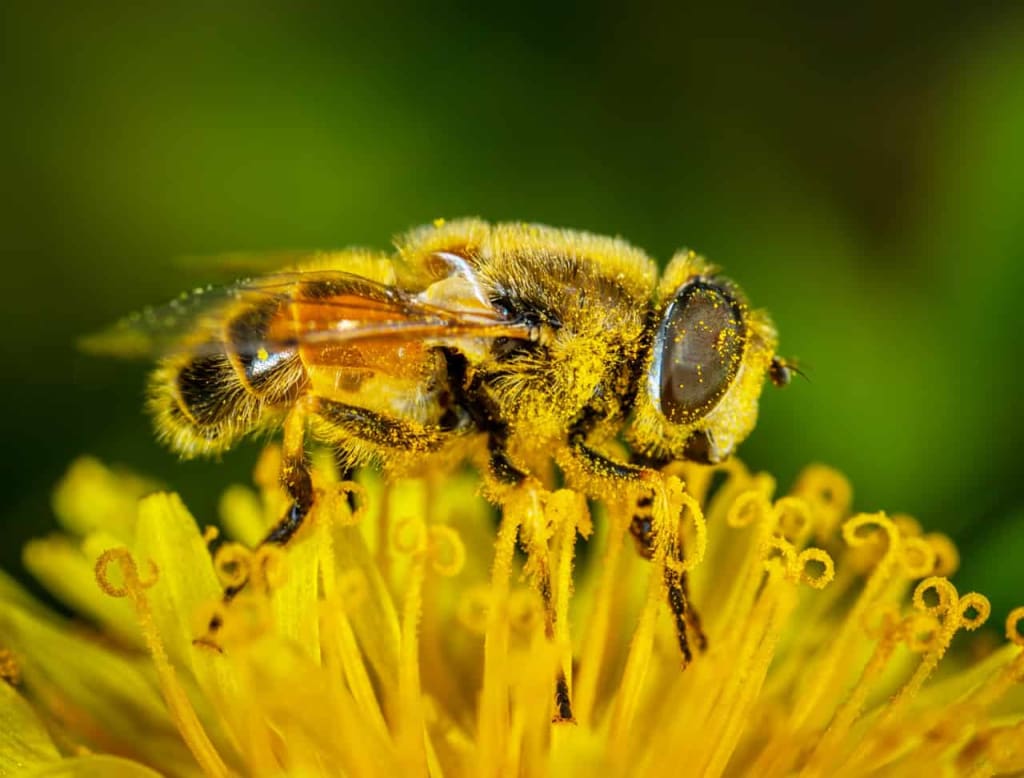
Bees are essential pollinators, playing a vital role in maintaining biodiversity and ensuring global food security. Their ability to transfer pollen between flowers allows plants to reproduce, leading to the production of fruits, vegetables, nuts, and seeds that sustain human and animal life. However, recent scientific discoveries have highlighted the importance of another key player in pollination: microbes. Microorganisms, including bacteria and fungi, interact with bees in ways that significantly impact their health, behavior, and efficiency as pollinators. As bee populations face growing threats from habitat loss, pesticides, climate change, and disease, understanding their relationship with microbes may be crucial to securing the future of pollination.
The Role of Microbes in Bee Health
Just like humans, bees rely on a complex network of microbes, known as the microbiome, to maintain their health. These microbes live in a bee’s digestive system and play a key role in nutrient absorption, immunity, and digestion. Certain bacteria, such as Lactobacillus and Bifidobacterium, help break down nectar and pollen, making it easier for bees to process essential nutrients. These beneficial microbes also produce natural antibiotics that protect bees from harmful pathogens and infections.
When this microbial balance is disturbed, bees become more vulnerable to diseases. Factors such as pesticide exposure, poor nutrition, and environmental stressors can weaken the bee microbiome, reducing their ability to fight infections and shortening their lifespan. Given the critical role of these microbes in bee health, researchers are now exploring ways to strengthen and restore beneficial microbial populations to enhance the survival of pollinators.
Microbes and Pollination Efficiency
Microbes not only affect bee health but also influence how effectively bees pollinate plants. Some bacteria found in flowers interact with bees, altering the chemical composition of nectar and making it more attractive or nutritious. This interaction encourages bees to visit certain flowers more frequently, potentially increasing pollination rates. Additionally, microbes may assist in pollen digestion, improving the energy levels of bees and allowing them to work more efficiently.
The relationship between microbes and pollination is an area of growing scientific interest. Studies suggest that the microbial communities found in flowers and within bees work together in a symbiotic relationship that enhances the overall productivity of pollination. Understanding these interactions may help scientists develop new strategies to protect bee populations and improve agricultural yields.
Threats to Bee-Microbe Relationships
Despite the essential role of microbes in pollination, several environmental and human-made factors threaten the delicate relationship between bees and their microbial partners.
- Pesticides and Antibiotics
- Pesticides, particularly neonicotinoids, have been shown to disrupt the gut microbiome of bees, making them more susceptible to infections and reducing their lifespan.
- The use of antibiotics in beekeeping can unintentionally kill beneficial microbes, weakening bees’ natural defenses against disease.
2. Habitat Destruction
- The expansion of urban areas and large-scale industrial farming reduces the diversity of plants available to bees. Fewer flowers mean fewer opportunities for bees to acquire beneficial microbes.
- The loss of wildflower meadows and forests also destroys microbial reservoirs that contribute to a healthy bee microbiome.
3. Climate Change
- Rising temperatures and changing weather patterns can alter the microbial composition of flowers, potentially reducing the availability of beneficial bacteria for bees.
- Extreme weather events, such as droughts and floods, can damage bee habitats and disrupt microbial ecosystems, further weakening pollinator populations.
Harnessing Microbes to Protect Pollinators
As scientists learn more about the importance of microbes in pollination, new strategies are emerging to protect both bees and their microbial allies.
- Probiotics for Bees
2. Pesticide-Free Farming Practices
3. Restoring Natural Habitats
- Planting a diverse range of wildflowers and native plants can support both bee populations and the microbial communities they rely on.
- Reducing monoculture farming (the practice of growing only one type of crop) can promote microbial diversity, benefiting pollinators and agricultural sustainability.
The Future of Pollination
The relationship between bees and microbes is an exciting field of research that could lead to groundbreaking solutions for pollinator conservation. If scientists can harness the power of beneficial microbes, they may be able to create stronger, healthier bee populations capable of resisting modern environmental threats. Protecting bees is not just about saving one species—it is about securing the future of global food production and ecological stability.
By adopting bee-friendly farming methods, reducing pesticide use, and restoring natural habitats, we can help maintain the critical relationship between bees, microbes, and flowering plants. As new discoveries continue to emerge, the collaboration between pollinators and microorganisms may provide the key to ensuring a sustainable and productive future for agriculture and biodiversity worldwide.
About the Creator
Ninette Ferriera
This page will transform your life through medicine, technology, and space exploration, improving healthcare, communication, and transport while advancing sustainability. It will shape your future and unlock endless possibilities
#Subscribe
Keep reading
More stories from Ninette Ferriera and writers in Earth and other communities.
Escape Tsunani after dam collapsed
Dams are constructed to regulate water flow, generate hydroelectric power, and supply water for agricultural and industrial use. However, when a dam fails, the consequences can be catastrophic. The sudden release of an enormous volume of water creates a man-made tsunami, a powerful and destructive surge that can devastate everything in its path. Unlike natural tsunamis, which originate from seismic activity in the ocean, dam failure tsunamis occur inland, often with little to no warning. Surviving such an event requires swift action, awareness, and a well-prepared evacuation plan.
By Ninette Ferriera 12 months ago in Earth
UK Exposed to ‘Serious Harm’ by Failure to Tackle AI Risks, MPs Warn
The United Kingdom is facing growing warnings from Parliament that its approach to regulating artificial intelligence (AI) could leave citizens and the financial system exposed to serious harm. A recent report by the House of Commons Treasury Select Committee criticizes the government for a “wait-and-see” attitude toward AI risks, especially in financial services.
By Aarif Lashari3 days ago in Earth



Comments (1)
Fantastic! Great work!!