
Escape Tsunani after dam collapsed
Escape Tsunani after dam collapsed


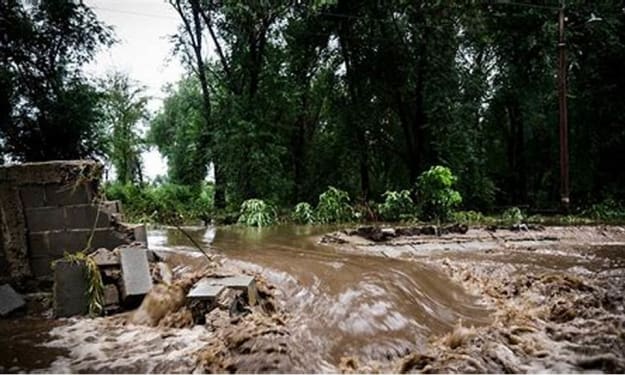
Dams are constructed to regulate water flow, generate hydroelectric power, and supply water for agricultural and industrial use. However, when a dam fails, the consequences can be catastrophic. The sudden release of an enormous volume of water creates a man-made tsunami, a powerful and destructive surge that can devastate everything in its path. Unlike natural tsunamis, which originate from seismic activity in the ocean, dam failure tsunamis occur inland, often with little to no warning. Surviving such an event requires swift action, awareness, and a well-prepared evacuation plan.
Causes and Dangers of a Dam Collapse Tsunami
A dam can collapse for several reasons, including poor maintenance, structural defects, excessive rainfall, earthquakes, and sabotage. When a dam fails, the stored water is released suddenly, creating a fast-moving wall of water that surges downstream with tremendous force. The speed and intensity of the flood make it almost impossible to outrun in low-lying areas.
The dangers of a dam collapse tsunami are immense. Entire communities, infrastructure, roads, and bridges can be swept away within minutes. The water carries debris, mud, and toxic materials, increasing the risk of injury and contamination. Survivors face additional challenges, such as lack of clean water, power outages, and displacement. Given the severity of these consequences, it is crucial to recognize early warning signs and take immediate action to escape.
Warning Signs of a Potential Dam Failure
While some dam collapses happen without warning, certain signs can indicate potential failure:
- Unusual Water Leaks – Water seeping through cracks in the dam’s structure or base.
- Cracks and Deformation – Visible cracks, bulging, or shifting in the dam wall.
- Loud Noises or Vibrations – Rumbles or cracking sounds from within the dam.
- Rapidly Rising Water Levels – If the dam is at full capacity and heavy rainfall continues, the risk of collapse increases.
- Official Warnings – Emergency alerts issued by authorities due to extreme weather or structural concerns.
When any of these signs appear, authorities may issue evacuation orders. In such cases, acting quickly can mean the difference between life and death.
Steps to Escape a Tsunami After a Dam Collapse
1. Move to Higher Ground Immediately
Once a dam collapses, the surging water moves extremely fast, often at speeds of tens of meters per second. The most critical action is to move uphill or to higher ground as quickly as possible. Even a small elevation can make a significant difference in survival chances.
- Identify the nearest high ground, such as hills, mountains, or elevated buildings.
- Do not waste time gathering belongings—every second counts.
- If you are in a car, drive toward higher ground, but avoid bridges that may collapse under the force of the water.
2. Follow Pre-Planned Evacuation Routes
Many areas downstream of dams have flood emergency plans in place. If you live near a dam, familiarize yourself with official evacuation routes before an emergency happens. These designated paths lead to safe zones that are least likely to be affected by the flood surge.
- If you receive an evacuation order, follow it immediately.
- Avoid roads that run parallel to the river—water will flow down these paths first.
- Listen to emergency broadcasts on the radio or mobile alerts for real-time updates.
3. Stay Away from Bridges and Riverbanks
As the flood moves downstream, bridges and riverbanks become extremely dangerous. The force of the water can erode the ground, causing roads to collapse. Do not attempt to cross a bridge or drive along a riverbank—these areas are often the first to be destroyed. Instead, head inland and seek stable ground.
4. Climb to a Sturdy Structure If No High Ground Is Available
If you cannot reach higher terrain in time, look for a strong, multi-story building made of reinforced concrete. Climb to the highest floor or rooftop to escape the initial wave. However, this should only be a last resort, as buildings can be compromised by the force of the flood.
5. Hold Onto Floating Objects If Swept Away
If caught in the floodwaters, survival depends on finding a stable floating object to hold onto. Large debris, such as logs, wooden furniture, or even rooftops, can keep you afloat until rescue arrives. Do not fight the current; instead, try to move diagonally toward calmer water near the edges of the flow.
6. Avoid Floodwaters After the Initial Wave
Even after the first wave has passed, floodwaters remain extremely dangerous. They may contain debris, strong currents, and hazardous materials such as sewage, chemicals, or sharp objects. Avoid wading through floodwaters unless absolutely necessary. If you must cross, use a long stick to check for hidden dangers.
After the Tsunami: What to Do Next
Once the initial danger has passed, take the following precautions:
- Stay Informed – Listen to emergency broadcasts for updates on rescue operations and safe zones.
- Check for Injuries – If you or others are injured, administer first aid and seek medical help as soon as possible.
- Avoid Contaminated Water – Floodwaters may carry harmful bacteria and toxins. Do not drink or use water unless it has been declared safe.
- Assist Others in Need – Help elderly individuals, children, and those with disabilities reach safety.
Preventing Future Disasters
While individuals can take steps to escape a dam failure, governments and engineers play a critical role in preventing such disasters. Key strategies include:
Regular Inspections and Maintenance – Dams must be routinely checked for cracks, leaks, and structural weaknesses.
Strengthening Older Dams – Many aging dams need upgrades to withstand extreme weather and seismic activity.
Implementing Emergency Plans – Cities must establish clear evacuation procedures and warning systems.
Limiting Development in Flood-Prone Areas – Building restrictions in high-risk zones can reduce potential damage and loss of life.
Conclusion
A dam collapse can trigger a man-made tsunami that devastates entire communities within minutes. Surviving such a disaster requires immediate action, including moving to higher ground, following evacuation routes, and staying away from bridges and riverbanks. Awareness of early warning signs, emergency planning, and post-disaster precautions can significantly increase survival chances. While individuals must be prepared, governments and engineers have a responsibility to maintain and reinforce dams to prevent catastrophic failures. By combining personal preparedness with proper infrastructure management, the risks of dam-related disasters can be minimized, ensuring the safety of millions of people living downstream.
About the Creator
Ninette Ferriera
This page will transform your life through medicine, technology, and space exploration, improving healthcare, communication, and transport while advancing sustainability. It will shape your future and unlock endless possibilities
#Subscribe
Keep reading
More stories from Ninette Ferriera and writers in Earth and other communities.
How Clear-Cutting Could Lead to Massive Floods
Forests play a crucial role in maintaining environmental stability, serving as natural regulators of water flow and soil health. However, the widespread practice of clear-cutting—removing large sections of trees in a single operation—has raised serious concerns about its impact on the environment. One of the most significant and dangerous consequences of clear-cutting is its contribution to massive flooding. Without forests to absorb and regulate rainfall, landscapes become increasingly vulnerable to soil erosion, excessive runoff, and river overflow. As deforestation continues, communities around the world face a growing threat of severe and more frequent floods.
By Ninette Ferriera 12 months ago in Earth
Live Updates: Trump Promotes Gaza Plan and Meets With Zelensky at Davos
Former U.S. President Donald Trump is making headlines at the annual World Economic Forum in Davos, Switzerland, by promoting his latest plan for Gaza and holding a high-profile meeting with Ukrainian President Volodymyr Zelensky. The developments have captured global attention, highlighting Trump’s continued influence on international diplomacy and Middle East affairs.
By Muhammad Hassana day ago in Earth
Queen Elizabeth II Memorial Statue to Stand Tall
The announcement of a memorial statue honoring Queen Elizabeth II has stirred deep emotions across the United Kingdom and beyond. More than a tribute to Britain’s longest-reigning monarch, the statue is intended to stand as a powerful symbol of continuity, national identity, and collective memory in a country navigating change at home and uncertainty abroad. For many, Queen Elizabeth II represented stability in a rapidly evolving world. Her image was woven into daily life — from coins and stamps to historic speeches during moments of crisis. As plans for her memorial statue move forward, the project reflects not just remembrance, but a broader conversation about what the monarchy has meant, and continues to mean, to modern Britain. Remembering a Monarch Who Defined an Era Queen Elizabeth II ascended the throne in 1952, inheriting a post-war nation still rebuilding from devastation. Over the next seven decades, she witnessed profound transformations: the end of empire, the Cold War, the digital revolution, and dramatic political shifts both within the UK and across the Commonwealth. Unlike many public figures, her influence was subtle rather than outspoken. She reigned, but did not rule — offering a constant presence while governments, prime ministers, and global alliances rose and fell. That quiet endurance is precisely what many supporters hope the memorial statue will capture. The statue is envisioned as a dignified and timeless representation, emphasizing service over spectacle. Organizers say the aim is not grandeur for its own sake, but respect rooted in restraint, echoing the Queen’s own approach to public life. A Memorial Beyond Stone and Bronze Public memorials often say as much about the present as they do about the past. In this case, the Queen Elizabeth II memorial statue is arriving at a moment when questions of identity, unity, and tradition are being actively debated across British society. Supporters argue that the statue will serve as a shared national reference point, offering a space for reflection that transcends politics. In a fragmented media environment and polarized public sphere, symbols that bring people together are increasingly rare. The memorial is also expected to attract visitors from around the world. As a figure recognized globally, Queen Elizabeth II remains one of the most familiar faces of the 20th and early 21st centuries. For tourists and citizens alike, the statue may become a focal point for understanding Britain’s constitutional monarchy and its evolving role. Design, Location, and Symbolism While final design details are still under consideration, early proposals suggest a statue that emphasizes calm authority rather than dramatic posture. Sculptors and planners involved in the project have spoken about portraying the Queen during a defining period of her reign, reflecting dignity, duty, and composure. The location of the statue is equally significant. Placing it within a historic or civic space would embed the memorial into the everyday rhythm of national life. Rather than isolating it as a distant monument, planners aim for accessibility — a place where people can pause, gather, and reflect. Symbolism will play a crucial role. From the Queen’s attire to her stance, every detail will communicate values she embodied: service, continuity, and responsibility. Even subtle elements — such as surrounding landscaping or inscriptions — are expected to reinforce themes of unity and legacy. Public Opinion and Debate As with any national memorial, the project has sparked discussion. While many welcome the statue as a fitting tribute, others question how the monarchy should be represented in the 21st century. Critics argue that Britain must balance respect for tradition with an honest reflection on history, including the complexities of empire and colonialism. These debates are not unique to this memorial. Across the world, societies are reassessing monuments and public symbols, weighing historical significance against contemporary values. In that context, the Queen Elizabeth II statue becomes part of a wider cultural conversation about remembrance and representation. Supporters counter that acknowledging complexity does not negate the importance of honoring service. They point out that Queen Elizabeth II herself navigated these evolving conversations with caution and sensitivity, often adapting royal traditions to changing expectations. A Legacy Passed to the Future Perhaps the most powerful aspect of the memorial lies in its long-term purpose. For future generations who never witnessed Queen Elizabeth II’s reign firsthand, the statue will serve as an entry point into history. Children growing up decades from now may learn about her not through headlines or broadcasts, but through school trips, family visits, and moments of quiet curiosity. In that sense, the memorial is not only about looking back — it is about preserving memory forward. As Britain continues to redefine its place in the world, symbols of continuity take on renewed importance. The Queen Elizabeth II memorial statue is expected to stand as a reminder that institutions endure not through power alone, but through trust, service, and shared values. Conclusion The planned Queen Elizabeth II memorial statue is more than a physical structure. It is a statement about remembrance, respect, and national identity at a pivotal moment in British history. By honoring a monarch whose reign spanned generations, the memorial seeks to bridge past and present, tradition and change. Whether viewed as a tribute, a tourist landmark, or a place of reflection, the statue will stand tall as a reminder of a life devoted to service — and of a nation’s ongoing relationship with its history.
By Muhammad Hassanabout 5 hours ago in Earth
The Summer I Was Chosen by a Northern Mockingbird
During the long, suspended days of the pandemic, a wild mockingbird began visiting my driveway and chose me, again and again. What started as a strange encounter became a brief, meaningful connection that I still carry with me.
By Erica Roberts 3 days ago in Petlife



Comments
There are no comments for this story
Be the first to respond and start the conversation.