
Bastille Day:
Celebrating Freedom, Unity, and French Identity
Introduction:
Bastille Day, also known as La Fête Nationale or French National Day, is a significant holiday in France that commemorates the French Revolution and the spirit of freedom, equality, and fraternity. Celebrated on July 14th each year, Bastille Day is a time for the French people to come together, reflect on their history, and celebrate the values that define their nation. In this article, we delve into the history, traditions, and significance of Bastille Day, exploring its role in shaping French identity and fostering a sense of national pride.
Part 1: The Historical Context
Bastille Day traces its roots back to July 14, 1789, when the people of Paris stormed the Bastille, a fortress-prison symbolizing royal authority and oppression. This event marked a turning point in the French Revolution and became a powerful symbol of the fight against tyranny and the demand for freedom. The storming of the Bastille paved the way for the establishment of a new political order based on principles of liberty, equality, and popular sovereignty.
Part 2: Celebratory Traditions
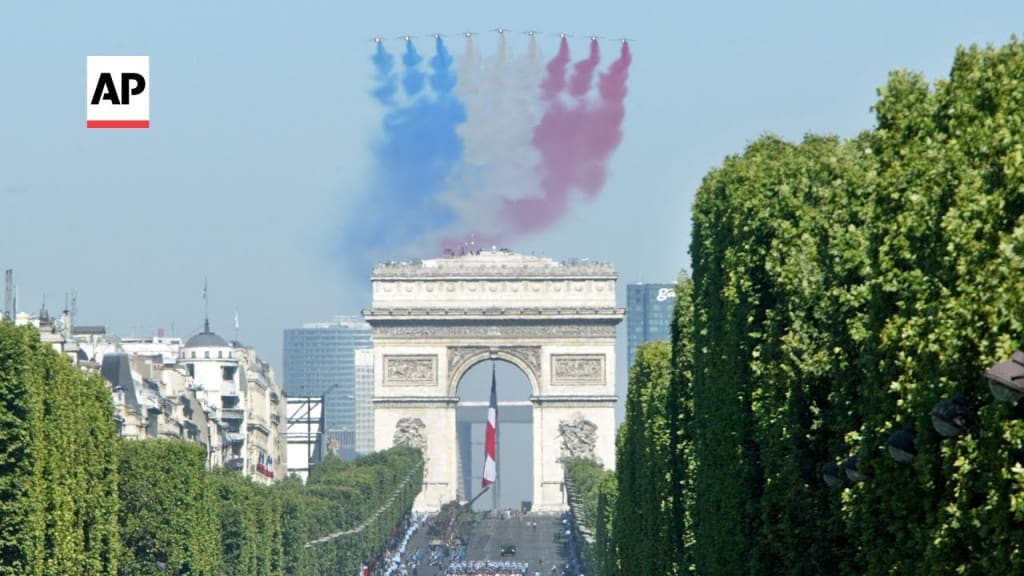
Bastille Day is celebrated with a range of traditions and festivities throughout France. The day begins with a military parade on the Champs-Élysées in Paris, showcasing the French armed forces and honoring their contributions to the nation's security. The parade is followed by various cultural events, including concerts, fireworks displays, street parties, and public gatherings. These celebrations provide an opportunity for people of all backgrounds to come together, embrace their national heritage, and showcase their cultural diversity.
Part 3: Symbols and Icons
Several symbols and icons are associated with Bastille Day, embodying the ideals of the French Republic. The French flag, known as the Tricolor, with its blue, white, and red stripes, is prominently displayed throughout the country. The national anthem, "La Marseillaise," is sung with great fervor during official ceremonies and public gatherings. The Liberty Cap, a symbolic hat worn during the French Revolution, represents the quest for freedom and has become an enduring symbol of the French spirit.
Part 4: Commemorating Freedom and Equality
Bastille Day serves as a reminder of the principles of freedom, equality, and fraternity that are at the heart of the French Republic. It is a time to reflect on the progress made in establishing a democratic society and protecting individual rights. The day also prompts discussions about the ongoing pursuit of social justice, inclusivity, and the challenges that lie ahead in upholding these values.
Part 5: Cultural Events and Festivities
Bastille Day celebrations extend beyond Paris to cities and towns across France, each adding their unique touch to the festivities. Fireworks light up the night sky, illuminating iconic landmarks such as the Eiffel Tower and the Arc de Triomphe. Street parades, music concerts, and traditional dances showcase the rich cultural heritage of different regions. Local markets offer gastronomic delights, allowing people to indulge in French cuisine, including wine, cheese, pastries, and other culinary delights.
Part 6: National Unity and Solidarity
Bastille Day fosters a sense of national unity and solidarity among the French people. It provides an opportunity to reflect on the shared values, history, and sacrifices that have shaped the nation. The celebrations bring together people from diverse backgrounds, fostering a sense of inclusivity and reinforcing the idea that the French Republic is built on the collective aspirations and contributions of its citizens.
Part 7: International Significance
Bastille Day has gained international recognition and serves as a symbol of the universal struggle for freedom and democracy. It is an occasion for France to showcase its cultural heritage, artistic achievements, and diplomatic relations with other nations. Diplomatic receptions, cultural exchanges, and artistic performances often take place, highlighting the importance of international cooperation and solidarity.
Part 8: Looking Ahead
As France moves forward, Bastille Day remains a significant occasion to reflect on the nation's past, celebrate its achievements, and confront its challenges. It serves as a reminder that the values of liberty, equality, and fraternity are not just historical ideals but ongoing commitments that require vigilance and active participation from all citizens. Bastille Day offers an opportunity for the French people to renew their dedication to these values and to collectively shape a brighter future.
Conclusion:
Bastille Day stands as a cherished holiday in France, celebrating the spirit of the French Revolution and the enduring values of liberty, equality, and fraternity. Through its historical significance, celebratory traditions, and cultural events, Bastille Day brings together the French people, fostering national unity and reinforcing their shared identity. It is a time to reflect on the journey toward freedom and to renew the commitment to the principles that define the French Republic. As the nation continues to evolve, Bastille Day serves as a powerful reminder of the importance of preserving and promoting the ideals of liberty, equality, and fraternity, both within France and on the international stage.
About the Creator
Industrial Deployment of Biochar in Modern Metal Smelting Systems
Biochar is increasingly examined as a functional carbonaceous material in high-temperature metallurgical operations. Traditionally dominated by fossil-derived coke and coal, metal smelting processes are under pressure to decarbonize while maintaining reductive efficiency and structural reliability. Biochar, when properly engineered, presents a technically viable supplementary reductant in the production of steel, silicon, and ferroalloy. Its application, however, requires stringent control of physicochemical properties and integration within existing furnace infrastructure.
By Wayne Shen4 days ago in Earth
"Scream 7" (2026): Running out of Fresh Screams
This is the seventh time we’ve had a Ghostface crisis. Scream 7 is the latest edition of the Scream franchise. Sydney Prescott and her family are under attack by another anonymous killer dressed in a Ghostface costume. While having issues with her daughter, Tatum, they run from the bloody murders, trying to determine who is behind it all.
By Marielle Sabbag6 days ago in Horror



Comments
There are no comments for this story
Be the first to respond and start the conversation.