
Banff National Park: A Canadian Gem of Untamed Beauty
Banff National Park in Canada

Banff National Park: A Canadian Gem of Untamed Beauty

Tucked into the heart of the Canadian Rockies in Alberta, Banff National Park is a dazzling display of nature’s grandeur. As Canada’s first national park and one of the most renowned in the world, Banff is a place where towering mountains meet turquoise lakes, glaciers sparkle beneath blue skies, and wildlife roams freely across vast, rugged landscapes. Covering more than 6,600 square kilometers (2,500 square miles), Banff offers an unforgettable experience to anyone seeking serenity, adventure, or awe.
A Landscape Sculpted by Ice and Time

Formed millions of years ago and continually shaped by glaciers, Banff’s landscape is a dramatic mix of jagged peaks, deep valleys, alpine meadows, and dense pine forests. One of the park’s most iconic features is Lake Louise, a glacier-fed lake famous for its unreal turquoise color, which comes from rock flour deposited by meltwater. Framed by the majestic Mount Victoria and a backdrop of ancient glaciers, Lake Louise is often described as a living postcard.
Nearby, Moraine Lake, set in the Valley of the Ten Peaks, rivals Lake Louise in beauty. Surrounded by snow-capped mountains and fed by glacial streams, its brilliant blue-green waters are almost surreal in clarity and color, especially in the morning when the surface is calm and reflective. Both lakes draw visitors from around the globe, yet somehow retain an air of untouched wilderness.
Wildlife Encounters and Natural Harmony
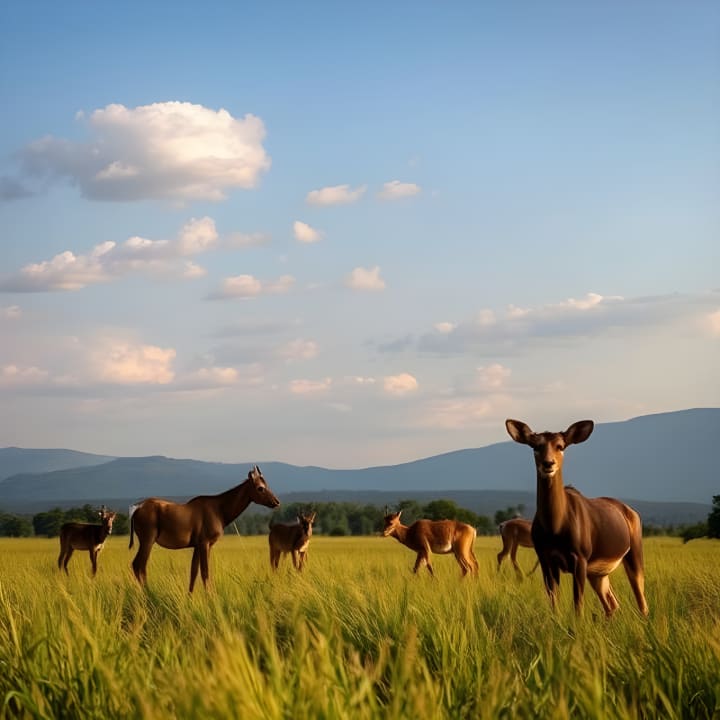
Banff is home to an extraordinary variety of wildlife. Sightings of elk wandering through town, bighorn sheep scaling rocky slopes, and black bears foraging in the forest are not uncommon. Grizzly bears also inhabit the higher elevations, along with mountain goats and lynx, though they tend to avoid populated areas. Over 260 species of birds make their home here, from the tiny calliope hummingbird to the majestic bald eagle.
The park’s management works hard to preserve the delicate balance between humans and nature. Wildlife overpasses and underpasses allow animals to cross highways safely, and strict regulations help protect the fragile alpine ecosystems.
Adventure in Every Season

Banff’s beauty knows no off-season. In summer, its hiking trails attract trekkers from around the world. With over 1,600 kilometers (1,000 miles) of maintained trails, visitors can explore alpine meadows, scale mountain ridges, or walk gentle forest paths. Popular hikes include the Plain of Six Glaciers, Johnston Canyon, and the challenging Mount Rundle climb.
In winter, the park transforms into a snow-covered wonderland. Ski resorts like Lake Louise, Sunshine Village, and Mount Norquay offer world-class skiing and snowboarding with breathtaking views. Frozen waterfalls, snowshoe trails, and natural hot springs (like the Banff Upper Hot Springs) provide unique ways to enjoy the frosty landscape.
Autumn brings fiery foliage to the park, especially the golden larches—coniferous trees that turn bright yellow before shedding their needles. Spring, meanwhile, is a time of renewal, when waterfalls thunder with snowmelt and animals emerge from hibernation.
Banff Townsite: Gateway to Wilderness

Nestled within the park is the town of Banff, a charming alpine village that blends comfort with adventure. With cozy lodges, fine dining, art galleries, and local shops, it offers visitors all the amenities they need while staying close to nature. The town is also home to cultural sites like the Banff Centre for Arts and Creativity, the Whyte Museum, and historic landmarks like the Banff Springs Hotel, a grand castle-like resort built in the late 1800s.
Despite its popularity, Banff has maintained a strong commitment to sustainability. Eco-tourism, renewable energy initiatives, and conservation education are central to the town’s identity.
A Legacy of Preservation

Established in 1885, Banff National Park has played a critical role in shaping global conservation efforts. It helped inspire the creation of the Canadian national parks system and contributed to the founding of the world’s first international peace park—the Waterton-Glacier International Peace Park, shared with the United States. Today, Banff continues to lead in ecological stewardship and sustainable tourism.
More Than a Destination

Banff National Park is more than just a place to visit; it’s a place to connect—with nature, with history, and with oneself. Whether you’re canoeing across mirror-like lakes, climbing to windswept peaks, or soaking in the quiet of a snowy trail, Banff invites you to slow down and marvel at the majesty of the natural world.
In a time when wild places are increasingly rare, Banff stands as a powerful reminder of what we stand to preserve. It is not only one of the most beautiful places in the world but also a symbol of nature’s enduring spirit.
About the Creator
Sumon Ahmed
Writer, dreamer, and curious thinker. I explore life through stories—travel, culture, personal growth, and more. Sharing insights, inspiration, and the beauty of everyday moments one word at a time.
Keep reading
More stories from Sumon Ahmed and writers in Earth and other communities.
Plitvice Lakes National Park: Nature's Masterpiece in the Heart of Croatia
Plitvice Lakes National Park: Nature's Masterpiece in the Heart of Croatia Tucked away in central Croatia, Plitvice Lakes National Park is a stunning natural wonder that captivates travelers from around the globe. Designated a UNESCO World Heritage Site in 1979, this national park spans nearly 300 square kilometers and is best known for its cascading lakes, vibrant flora, and crystal-clear turquoise waters. With a landscape that shifts gracefully through the seasons, Plitvice Lakes offers a surreal experience that feels both otherworldly and deeply grounding.
By Sumon Ahmed10 months ago in Earth
The Day the Forest Spoke
A Walk Into the Unknown It began as an ordinary hike, a chance to escape the chaos of the city and immerse myself in the green stillness of the old Redwood Forest at the edge of my town. The sun filtered through the towering trees in long golden beams, the leaves rustling faintly with a whisper of wind, and for a moment, I felt at peace — detached from deadlines, notifications, and the endless noise of human life. I hadn’t planned for anything extraordinary, just a few hours of solitude surrounded by the ancient giants that had stood for centuries, quietly observing the world.
By The Curious Writer4 days ago in Earth
Author’s Advice
If you would’ve asked me 20 years ago did I know I’d become a writer and an author, I would’ve said “nope, ain’t happening”. As fate would have it I did become an author and I can honestly say I’m loving it so far. It really does feel good to be a writer. I’ve learned a lot on this journey and I feel like with even me being as new to this world as I am, there’s some wisdom I need to share with every other aspiring author.
By Joe Patterson5 days ago in Journal



Comments (4)
You’re glowing with purpose!
You’re such an inspiration
This made my day
supper