

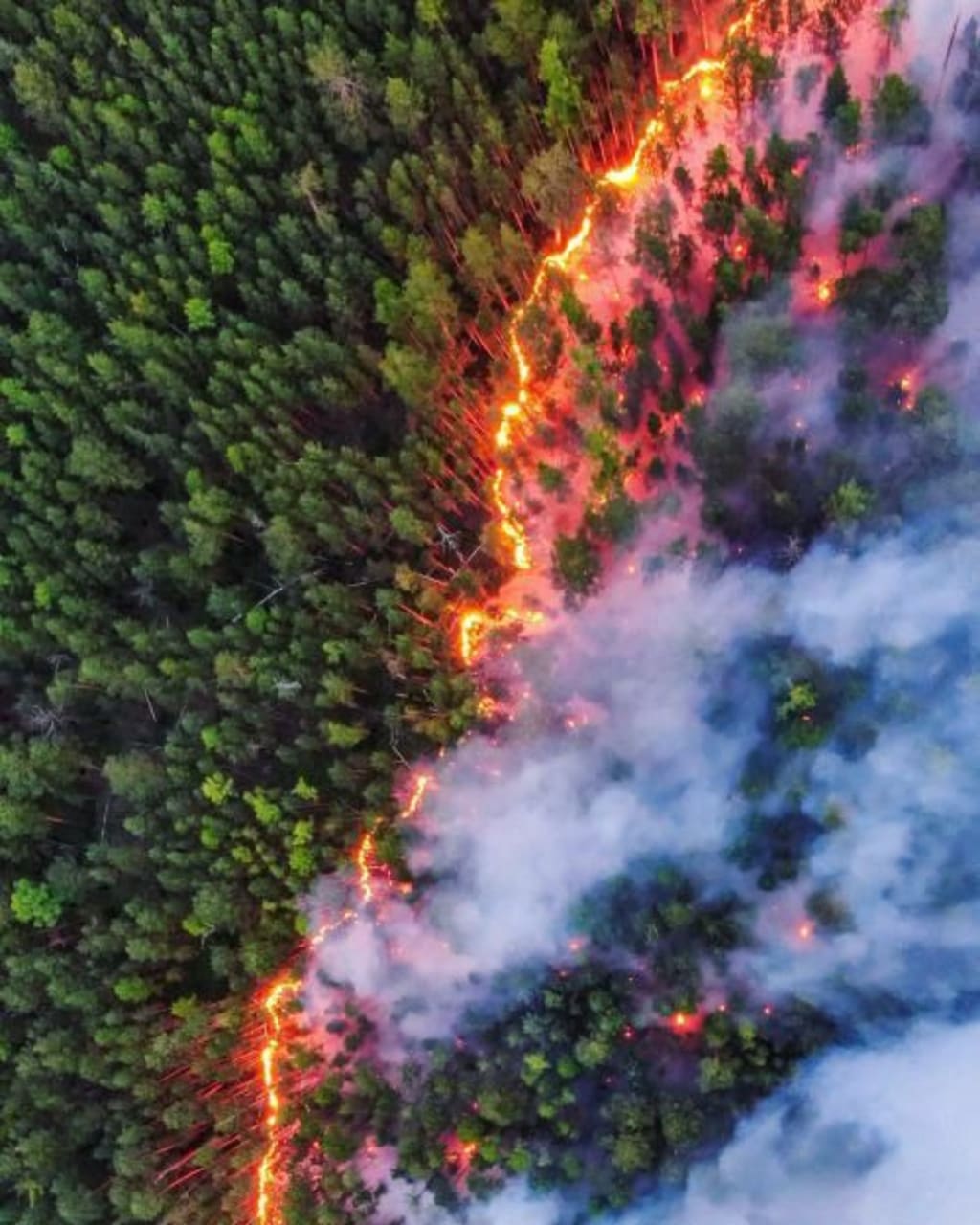
The 2019-2020 Australian Bushfires: A Simple Explanation
The 2019-2020 Australian bushfire season, also called "Black Summer," was one of the worst wildfire disasters in the country’s history. The fires burned for nine months, destroying homes, killing wildlife, and filling the air with dangerous smoke.
This article explains what happened in simple words, from the first fires to the final extinguishing.
1. The Fires Started Early (June–August 2019)
Normally, bushfire season in Australia begins in spring (September) and lasts until autumn. But in 2019, the fires started much earlier.
June 2019: The first major fires began, even though it was still winter.
The land was very dry because of a long drought (no rain for many months).
The weather was hotter than usual, making it easier for fires to start and spread.
This was a warning sign that the coming months could be much worse.
2. The Fires Grew Worse (September 2019)
In early September, which is the start of spring, new fires broke out.
Many of these fires were out of control.
Firefighters worked hard, but the dry weather and strong winds made it very difficult to stop the flames.
People in some areas had to leave their homes to stay safe.
At this point, it was clear that this bushfire season was not normal.
3. The Disaster Became Extreme (November 2019)
By November, the situation became much more dangerous.
Temperatures rose to record highs.
The drought continued, so forests and grasslands were like kindling (easy to burn).
Strong winds spread the fires very fast, making them impossible to control.
Effects on People & Wildlife:
Thousands of people had to evacuate (leave their homes).
Sydney, Australia’s biggest city, was covered in thick smoke, making it hard to breathe.
Millions of animals, including koalas and kangaroos, died in the fires.
4. A Small Break in January 2020
In mid-January 2020, some areas finally got heavy rain.
This rain helped slow down some fires.
Firefighters got a short rest after months of non-stop work.
However, the rain was not enough to put out all the fires. Many areas were still burning.
5. The Fires Flared Up Again (February 2020)
After the short break, the fires became bad again in early February.
Hot temperatures and strong winds returned.
New fires started, and old fires grew bigger.
More people had to escape from their homes.
It seemed like the disaster would never end.
6. The Fires Were Finally Stopped (February–March 2020)
In mid-February, there was very heavy rain.
This rain helped firefighters control the fires in New South Wales (NSW).
However, fires were still burning in Victoria (another Australian state).
By March 4, 2020, all the fires were either:
Put out completely, or
Under control (no longer spreading).
This marked the end of the nine-month disaster.
How Bad Was the Damage?
The Black Summer fires caused terrible destruction:
33 people died (including firefighters).
Over 3,000 homes were destroyed.
24 million hectares burned (an area bigger than many countries!).
3 billion animals were killed or hurt (koalas, kangaroos, birds, and more).
Smoke traveled around the world, even reaching South America.
Why Were the Fires So Bad?
Several things made these fires worse than ever before:
Drought – Australia had no rain for a very long time, so everything was dry.
Extreme Heat – 2019 was Australia’s hottest year on record.
Strong Winds – Winds spread the fires very fast.
Climate Change – Scientists say global warming made the fires more likely and more severe.
What Happened After the Fires?
After the fires stopped, Australia began recovery efforts:
Rebuilding homes for people who lost them.
Helping injured wildlife (like koalas).
Planting new trees to replace burned forests.
Improving firefighting systems to prepare for future disasters.
Conclusion: A Warning for the Future
The 2019-2020 bushfires were a tragedy for Australia. They showed how dangerous climate change and extreme weather can be.
If the world does not take action to reduce global warming, disasters like this could happen more often.
Final Question to Think About:
What can we do to help prevent such terrible fires in the future?
(Some ideas: Use less pollution, protect forests, and support firefighters.)
About the Creator
Ch Arham
...
Rachel Reeves Delivers ‘Killer Blow’ to UK’s Most-Loved Place Tomorrow – Has It Gone Too Far?
The UK is bracing for a major policy announcement from Chancellor Rachel Reeves that critics have described as a potential “killer blow” to what many call one of Britain’s most-loved national features. While supporters argue the move is necessary for economic stability and modernization, critics warn it could damage businesses, communities, and cultural identity.
By Aarif Lashari2 days ago in Earth




Comments
There are no comments for this story
Be the first to respond and start the conversation.