
Title: Serenity of the Mundane: Finding Peace in Everyday Life
Subtitle: How Ordinary Moments Become Extraordinary Sources of Calm
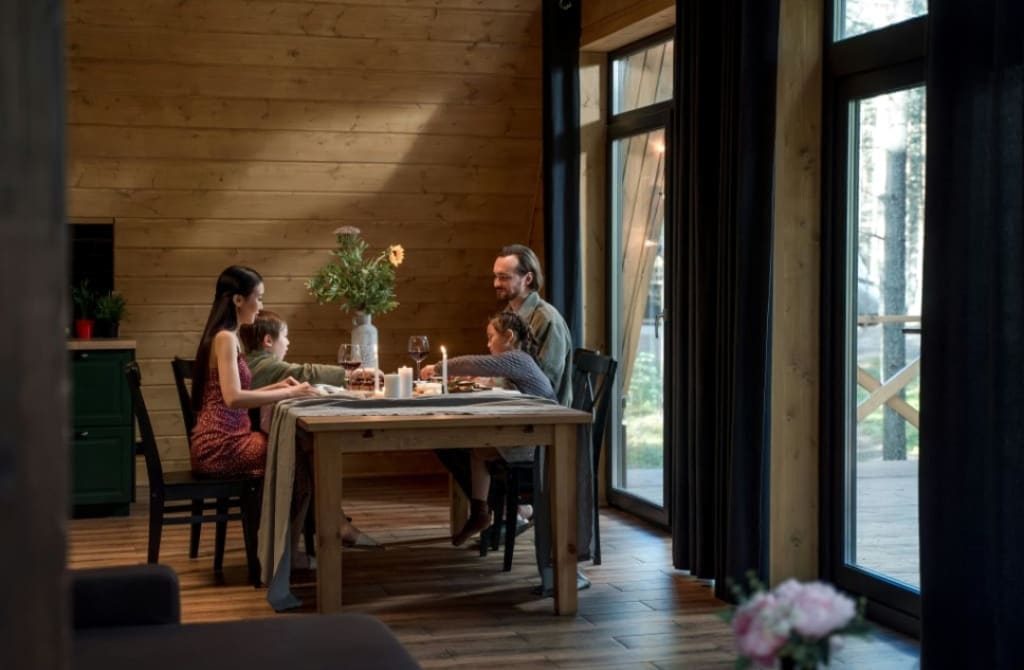
In a world obsessed with speed, spectacle, and constant achievement, the concept of finding peace in ordinary life can feel almost rebellious. Social media celebrates milestones, travel, luxury, and transformation, while quietly overlooking the countless small moments that make up most of our days. Yet hidden within these overlooked moments lies a powerful and often untapped source of calm: the serenity of the mundane.
The mundane is not boring by default. It is simply familiar. It is the morning routine, the walk to work, the sound of dishes clinking in the sink, or the pause before sleep. When we stop resisting these moments and begin to observe them with intention, they transform from background noise into anchors of peace.
The Problem with Chasing Constant Excitement
Modern life trains us to believe that happiness exists somewhere else—in the next goal, the next purchase, the next life upgrade. This mindset creates a constant sense of dissatisfaction. When every day is measured against extraordinary expectations, ordinary life starts to feel like a failure.
The truth is simple but uncomfortable: most of life is routine. When we dismiss the mundane, we unintentionally dismiss most of our lived experience. This is where stress, burnout, and emotional fatigue quietly grow. Serenity does not come from escaping daily life but from learning how to be present within it.
What Does “Serenity of the Mundane” Really Mean?
Serenity of the mundane is the ability to experience peace without needing external excitement. It is the calm that arises when you are fully present with what is happening now, rather than longing for something else.
This does not mean romanticizing hardship or ignoring ambition. It means recognizing that peace is not postponed until life becomes perfect. It exists in small, repeatable moments—breathing deeply while waiting in line, enjoying a warm cup of tea, or feeling sunlight through a window.
When attention replaces distraction, even the simplest experiences gain depth.
Mindfulness in Ordinary Moments
Mindfulness is often misunderstood as something that requires silence, meditation cushions, or retreats. In reality, mindfulness thrives in everyday activities.
Washing dishes can become a grounding ritual when you feel the temperature of the water and the movement of your hands. Walking becomes meditative when you notice the rhythm of your steps and the sounds around you. Even routine work can feel lighter when done with awareness rather than resistance.
These moments do not add time to your day; they change how you experience the time you already have.
The Emotional Safety of Routine
There is comfort in repetition. Routines provide structure in a world that often feels unpredictable. While novelty stimulates the brain, familiarity soothes the nervous system.
Morning rituals, evening habits, and consistent daily patterns create emotional safety. They remind us that not everything needs to change for us to feel okay. In fact, many people find their greatest sense of peace not in moments of excitement, but in knowing what to expect.
The serenity of the mundane teaches us that stability itself can be a form of happiness.
Slowing Down Without Falling Behind
One of the biggest fears around embracing simplicity is the idea of falling behind. Slowing down is often mistaken for laziness or lack of ambition. In reality, slowing down improves clarity, focus, and emotional balance.
When we stop rushing through life, we make better decisions. We listen more carefully, respond more thoughtfully, and notice what truly matters. Productivity becomes more intentional rather than reactive.
Serenity does not remove progress—it refines it.
Gratitude for the Unremarkable
Gratitude is often directed toward big wins: success, health, or major life events. But lasting gratitude grows from appreciating what rarely changes.
Clean water, familiar faces, daily meals, quiet moments—these are easy to overlook precisely because they are reliable. Yet their absence would be deeply felt. Recognizing their presence brings a quiet, steady form of joy that does not depend on circumstance.
This kind of gratitude builds resilience, especially during difficult times.
Why the Mundane Matters More Than We Think
The mundane is where life actually happens. Relationships are built in conversations, not celebrations. Healing happens in rest, not rush. Growth happens in consistency, not chaos.
When we stop waiting for life to become meaningful and start paying attention to what already is, we reclaim a sense of control and peace. The extraordinary becomes less necessary when the ordinary is enough.
Embracing a Calmer Way of Living
Choosing serenity in the mundane is a daily practice, not a one-time decision. It requires patience, awareness, and a willingness to let go of constant stimulation.
Start small. Pause before reaching for your phone. Breathe deeply during routine tasks. Notice details without judging them. Over time, these small shifts reshape your relationship with everyday life.
Peace does not announce itself loudly. It settles quietly when we finally slow down enough to notice it.
About the Creator
Olandria Carthen Shines as a Walking Work of Art at Paris Fashion Week
A Star Emerges in the Fashion Capital Olandria Carthen has made a striking impression at Paris Fashion Week, turning heads with every step on the runway. Known for her bold, artistic aesthetic, Carthen is being celebrated as a modern muse, seamlessly merging fashion with performance art.
By Aarif Lashari2 days ago in Earth



Comments
There are no comments for this story
Be the first to respond and start the conversation.