
Astronauts Lost Control of Boeing Starliner During Its Docking Attempt with the International Space Station.
Thruster Failures Lead to Crisis as Astronauts Struggle to Dock with the ISS.

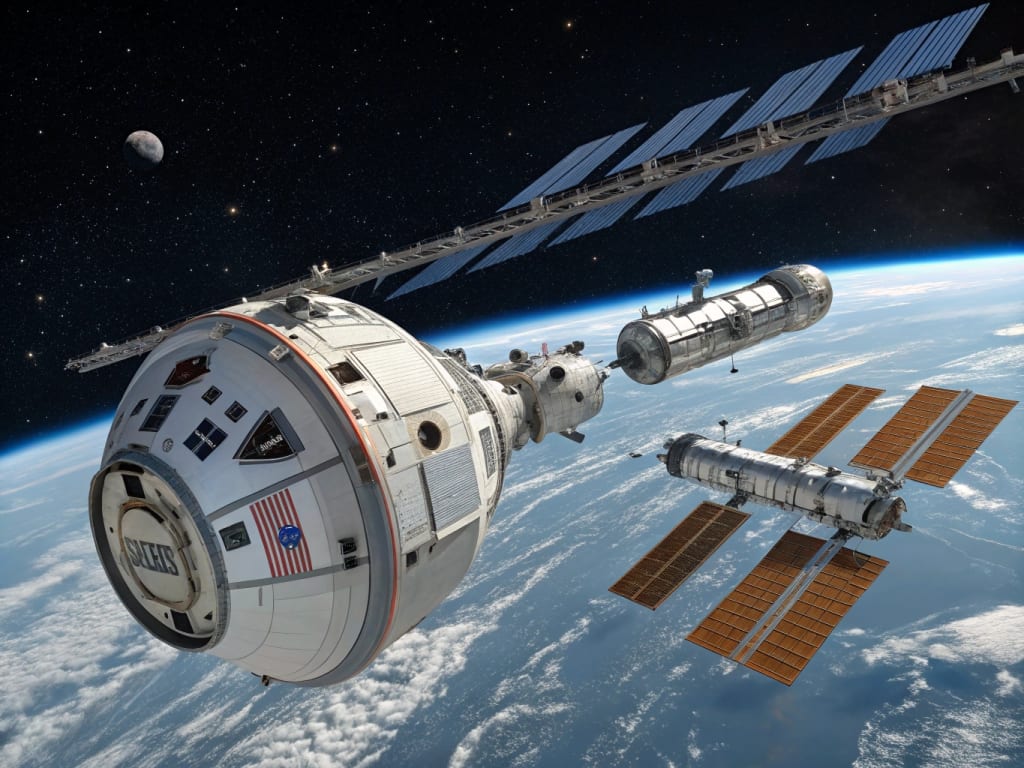
Boeing Starliner's Troubling Mission: Thruster Failures, Crisis Management, and the Path to Recovery
In June 2024, during the much-anticipated Boeing Crew Test Flight, NASA and Boeing faced a far more critical situation than initially expected. Despite attempts by NASA to downplay the gravity of the situation, the astronauts aboard and the mission control team at NASA's Houston center were dealing with an escalating crisis as the Boeing Starliner suffered multiple thruster failures during its rendezvous with the International Space Station (ISS). The spacecraft, which had already been tested on unscrewed missions, proved unstable when it faced its most critical challenge: docking with the ISS.
The mission began smoothly. The United Launch Alliance (ULA) Atlas V rocket that launched Starliner from Cape Canaveral Space Force Station performed flawlessly, placing the spacecraft on the correct trajectory. After separating from the rocket, Starliner successfully executed its post-separation maneuvering tests, which were free from any major issues. However, as the spacecraft approached the ISS, things began to go awry. Starliner experienced severe thruster failures, leaving it unable to control its movements.
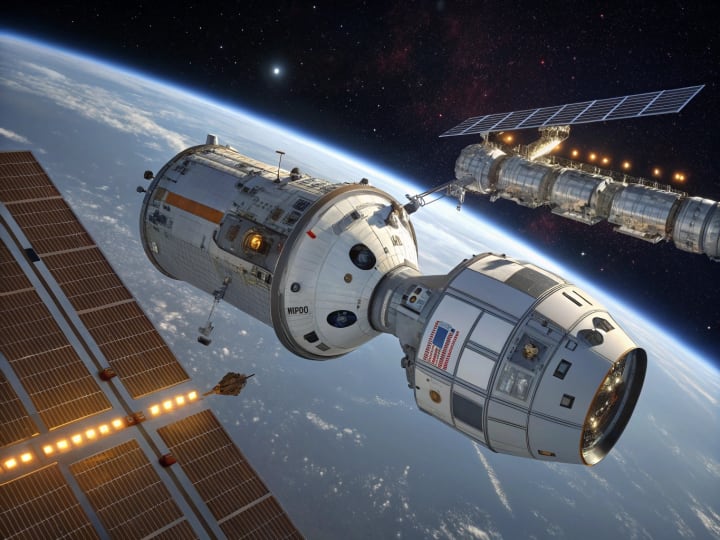
Astronaut Butch Wilmore, one of the crew members, later explained that Starliner lost control of its thrusters. These thrusters are responsible for maneuvering the spacecraft in three-dimensional space, and with six thrusters controlling six degrees of freedom (6DOF), any failure would severely compromise Starliner's ability to maintain its orientation. Wilmore was soon forced to take manual control of the spacecraft to prevent a potential disaster.
The astronauts aboard Starliner had been aware of the potential for thruster failures, having observed similar issues during the uncrewed Orbital Flight Test missions. Despite their concerns, the crew did not expect these problems to persist during the crewed mission. Initially, the launch went according to plan, and the spacecraft performed its maneuvers successfully. However, as Starliner neared the ISS, the situation rapidly worsened.
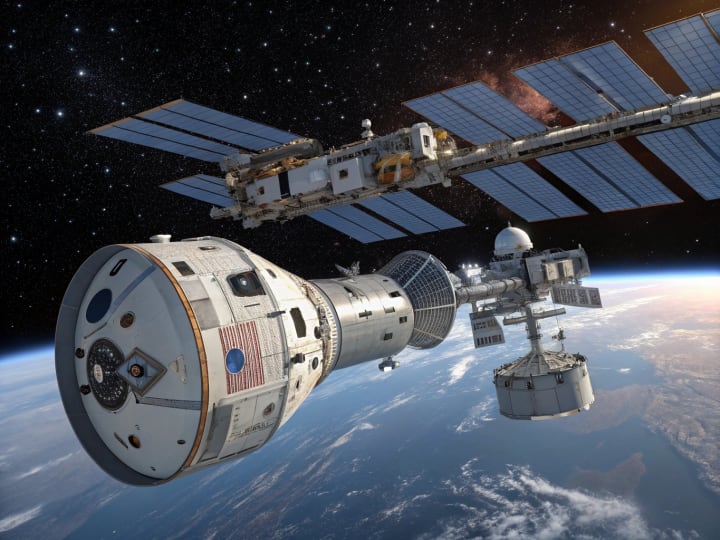
At this stage, the mission control team at NASA faced a critical decision. According to standard flight protocols, any spacecraft that loses its ability to maneuver should abort its docking attempt. Given the Starliner's loss of thrusters, continuing the docking process would have been highly risky. However, in an unexpected decision, NASA waived its flight rules and allowed the mission to continue, despite the mounting risks.
As the situation continued to escalate, two more thrusters failed, rendering Starliner completely incapable of maneuvering. Wilmore described the dire circumstances: “We lost the fourth thruster. Now we've lost 6DOF control. We can't maneuver forward. I still have control, supposedly, on all the other axes.” With Starliner stranded in space, the crew’s survival became uncertain. The spacecraft was incapable of docking or repositioning itself to safely return to Earth, leaving the crew in a vulnerable position.
In a last-ditch effort to regain control, mission control in Houston instructed Wilmore to relinquish manual control so that they could attempt a remote reset of the thrusters. The manual intervention had failed to resolve the problem, so NASA engineers took over, overriding the spacecraft's computer systems remotely. This intervention brought two of the failed thrusters back online, allowing Starliner to regain enough control to continue the mission.
Although Starliner successfully docked with the ISS, the crisis did not end there. Once aboard the space station, the astronauts were faced with the uncomfortable reality that they were now stranded in space. The spacecraft had suffered significant damage, and the crew was unable to pilot it back to Earth. While there were alternative methods of returning, such as relying on a different spacecraft, the crew found themselves in a precarious and unusual situation.
The Starliner’s docking with the ISS marked a significant achievement for NASA’s Commercial Crew Program, which aims to provide reliable crew transport to the space station. However, this mission also exposed serious technical problems that Boeing’s spacecraft was still facing. While the astronauts were safe aboard the station, their stay would be far longer than anticipated.
The crew was effectively stranded in space for nine months. Their return to Earth was delayed until March 18, 2025, when they were able to return aboard a SpaceX Crew Dragon spacecraft. This marked the end of a long, challenging ordeal for the astronauts, who had spent far more time in space than initially planned due to the malfunctions with Starliner.
The prolonged stay on the ISS highlighted the astronauts’ resilience and the tireless work of NASA’s mission control team. Despite the technical challenges, the crew remained focused and continued to perform vital experiments aboard the station. Wilmore, along with fellow astronauts, conducted tests on the Starliner, offering valuable insights into the spacecraft's systems and identifying areas that needed improvement.
Following the mission, NASA and Boeing launched investigations into the causes of the thruster failures. Working together, the teams identified design flaws and technical shortcomings in the Starliner’s systems. Boeing vowed to address these issues in future models of the spacecraft, aiming to improve its reliability for future missions. The failure also sparked discussions about the challenges of ensuring astronaut safety on commercial spacecraft and highlighted the need for rigorous testing and improvement.
In the aftermath of the mission, both Boeing and NASA committed to upgrading Starliner’s systems. Plans were set in motion to redesign key components, enhance redundancy, and reduce the likelihood of future failures. Although the Starliner’s first crewed flight had been far from ideal, it provided essential lessons that would shape future spacecraft designs. The mission also underscored the importance of safety protocols and thorough testing to avoid risking astronauts’ lives.
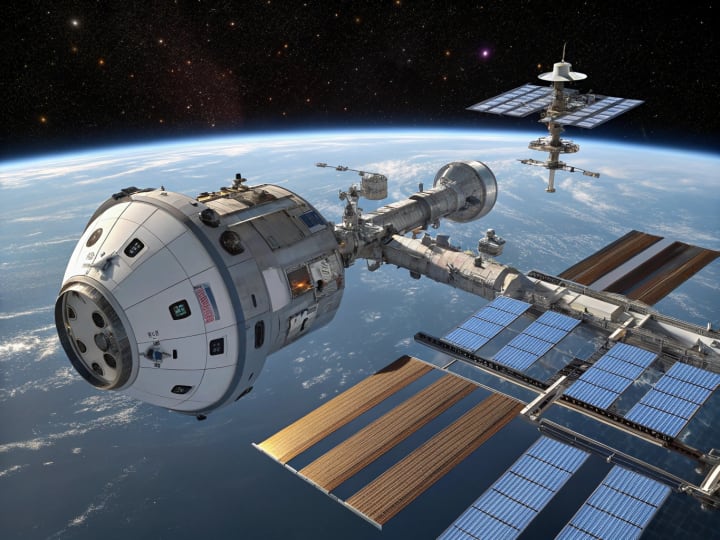
Starliner's problems were a stark reminder that space exploration remains inherently risky, especially when relying on commercial spacecraft designed to reduce costs. Even with the latest technology, there are significant challenges in space travel that cannot be ignored. The spacecraft's failure was a sobering reminder that continued vigilance and testing are critical to ensuring safe, reliable space missions.
In conclusion, the Boeing Starliner’s crewed test flight turned into an unexpected crisis that exposed both the challenges and triumphs of modern space exploration. The thruster failures, NASA’s decision to waive safety protocols, and the crew’s extended stay in space all contributed to a mission that, despite its troubles, successfully achieved its goal of docking with the ISS. While the mission revealed serious flaws in Starliner's design, it also showcased the skill and professionalism of the astronauts and mission control. Moving forward, the lessons learned from this mission will be instrumental in refining the spacecraft and ensuring future space missions are safer and more reliable. While the road to recovery may be filled with obstacles, the lessons from this mission will shape the future of commercial space travel and continue to push the boundaries of space exploration.
About the Creator
G.M. Rayhan
I'm G.M. Rayhan, a Journalist and content writer covering trending news from around the world. I deliver timely, engaging, and reliable stories that inform and inspire readers to stay connected with global events and viral topics.
Keep reading
More stories from G.M. Rayhan and writers in Earth and other communities.
Earthquakes: Natural Disasters or Human-Made Hazards?
Earthquakes: Natural Causes and Human Contributions Earthquakes are among the most intense and unpredictable natural events that occur on our planet. In a matter of seconds, they can cause widespread devastation damaging buildings, cracking roads, and even reshaping entire landscapes. For a long time, earthquakes were thought to be entirely natural occurrences, caused solely by movements within the Earth’s crust. However, more recent studies have shown that certain human activities may also play a role in triggering these seismic events. A clear understanding of both natural and man-made causes of earthquakes is essential for improving disaster preparedness and minimizing potential damage.
By G.M. Rayhan10 months ago in Earth
Cosseting the City or Keeping It in Check?
For decades, the City of London has been treated as the crown jewel of the British economy. Governments of all political colours have cosseted banks and financial institutions, convinced that a thriving financial sector is the key to faster economic growth, higher tax revenues, and global influence. The current chancellor is no exception, signalling a desire to keep City lenders comfortable in the hope they will fuel growth across UK plc.
By Aarif Lasharia day ago in Earth
Asda Chairman Allan Leighton Has Struggled to Rebuild the Supermarket’s Market Share
Asda was once a dominant force on the UK’s high streets, known for low prices, broad appeal, and fierce competition with Tesco and Sainsbury’s. But in recent years, the supermarket giant has found itself slipping behind rivals in an increasingly brutal grocery war. Despite the return of Allan Leighton as chairman, rebuilding Asda’s market share has proven far more challenging than many expected.
By Aarif Lasharia day ago in Earth



Comments
There are no comments for this story
Be the first to respond and start the conversation.