
Earthquakes: Natural Disasters or Human-Made Hazards?
Exploring the Natural Causes and Growing Human Influence Behind Earth's Most Devastating Tremors

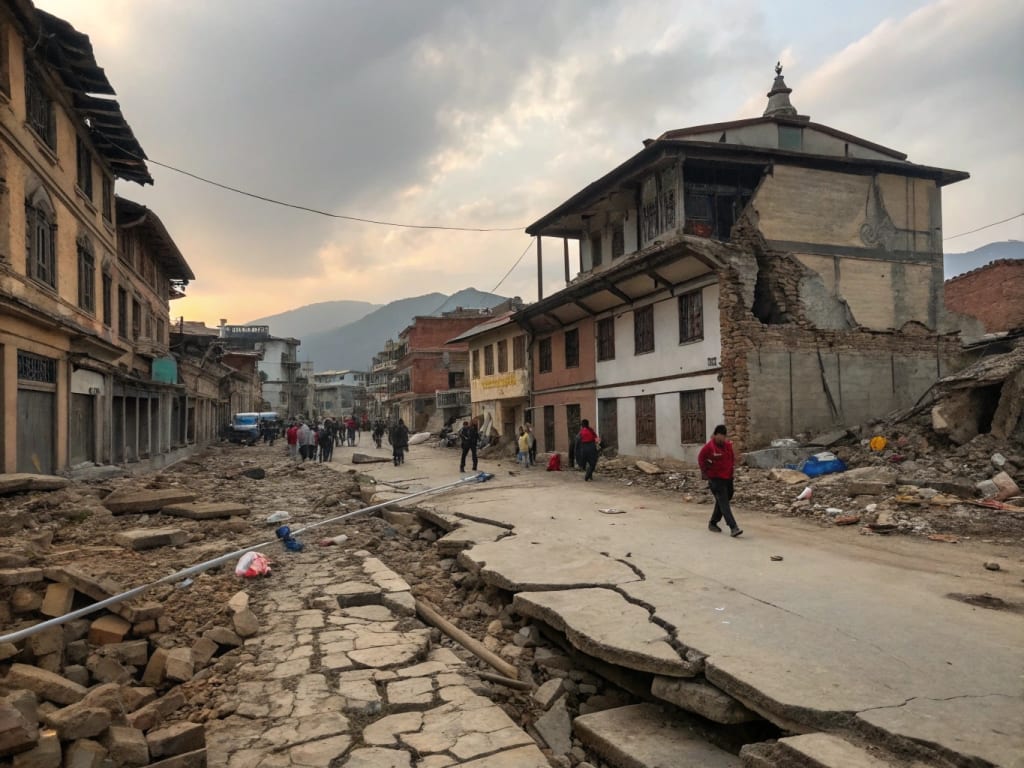
Earthquakes: Natural Causes and Human Contributions
Earthquakes are among the most intense and unpredictable natural events that occur on our planet. In a matter of seconds, they can cause widespread devastation damaging buildings, cracking roads, and even reshaping entire landscapes. For a long time, earthquakes were thought to be entirely natural occurrences, caused solely by movements within the Earth’s crust. However, more recent studies have shown that certain human activities may also play a role in triggering these seismic events. A clear understanding of both natural and man-made causes of earthquakes is essential for improving disaster preparedness and minimizing potential damage.
The most common natural cause of earthquakes is the movement of tectonic plates. The Earth’s crust is made up of massive slabs known as tectonic plates, which float on the molten layer of the mantle beneath them. These plates are constantly shifting, though at a very slow rate, and their interactions can result in significant geological activity. As pressure and stress build up from these movements, they eventually surpass the rocks’ ability to withstand them, releasing energy in the form of an earthquake. The point on the Earth's surface directly above where the quake originates is called the epicenter, while the actual starting point within the Earth is known as the focus or hypocenter.
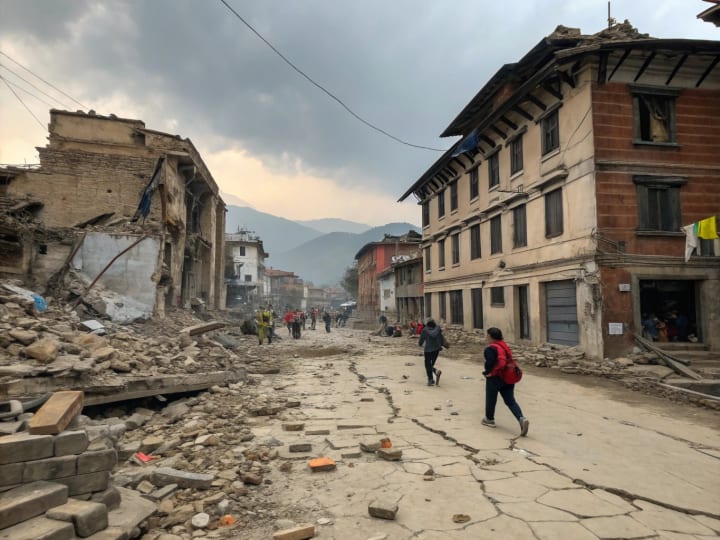
In addition to tectonic activity, volcanic eruptions can also lead to earthquakes. These volcanic earthquakes occur when magma pushes its way through the crust, causing pressure to accumulate until it is explosively released. While typically smaller in magnitude than tectonic quakes, volcanic earthquakes can still be dangerous, particularly in regions close to active volcanoes. Other naturally occurring triggers include landslides and rock falls, which may result in minor tremors, especially in mountainous areas with unstable terrain.
Despite natural processes being the dominant cause of earthquakes, human activities have increasingly been linked to seismic events. Over the past several decades, scientists have observed a rise in earthquakes that are directly related to industrial and technological practices. These events, known as "induced seismicity," are often tied to resource extraction and land modification. One significant contributor is the large-scale extraction of underground resources like oil, gas, and groundwater. Removing these materials can disturb the natural pressure equilibrium beneath the Earth's surface, causing the surrounding rocks to shift and trigger earthquakes. This is particularly concerning in regions not previously known for seismic activity.
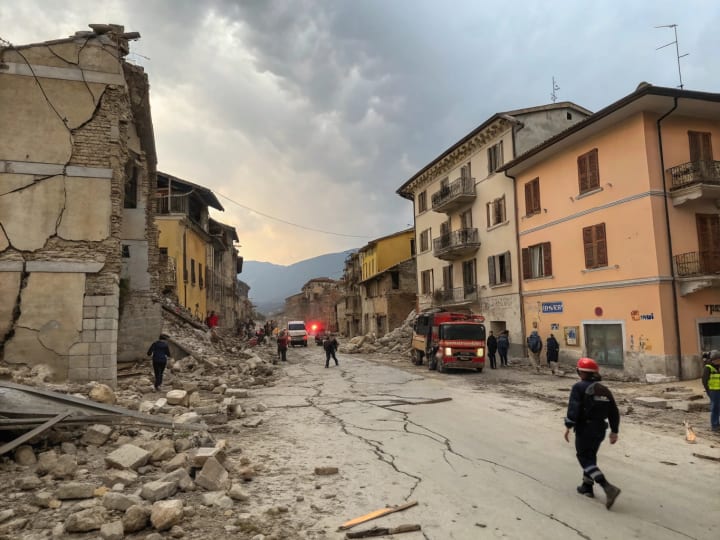
Hydraulic fracturing, or fracking, is one of the most debated practices linked to human-induced earthquakes. This technique involves injecting a mixture of water, sand, and chemicals into shale rock formations at high pressure to release trapped oil or gas. Although the fracking process itself tends to cause only minor seismic disturbances, the disposal of wastewater by injecting it deep underground has been strongly associated with increased earthquake frequency. U.S. states like Oklahoma and Texas have experienced a dramatic rise in seismic activity over the past decade, leading many to question the safety of such operations.
Mining also plays a role in human-induced earthquakes. When large volumes of rock and minerals are removed from the Earth, it can cause an imbalance in stress within the surrounding geological structures. Deep mining operations, especially those for coal and metals, may weaken the support system underground, leading to collapses or rock shifts that generate tremors. In some areas, such activities have forced mining operations to be suspended due to seismic risks.
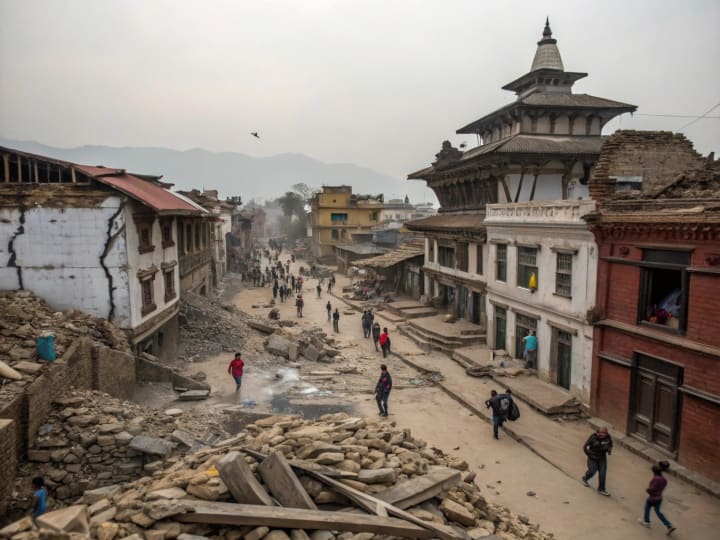
Another human endeavor that has been linked to earthquakes is the construction of large dams and the creation of artificial reservoirs. The enormous weight of the stored water can place additional pressure on fault lines and fractures beneath the Earth’s surface. This phenomenon, known as reservoir-induced seismicity, has been documented in multiple countries. One well known example is the Koyna Dam in India, where an earthquake in 1967 followed the reservoir’s filling and resulted in significant loss of life. Similar incidents have occurred in other countries, reinforcing the importance of thorough geological studies before embarking on such massive infrastructure projects.
Geothermal energy development and carbon capture storage are also potential contributors to induced seismicity. Geothermal plants often require injecting water deep into hot rock layers to generate steam for energy production. This process can alter underground pressure and potentially cause earthquakes. Likewise, carbon capture and storage a method used to fight climate change by injecting carbon dioxide into deep geological formations must be handled cautiously to avoid triggering seismic disturbances. While both technologies offer environmental benefits, their implementation must be carefully managed to avoid unintended consequences.
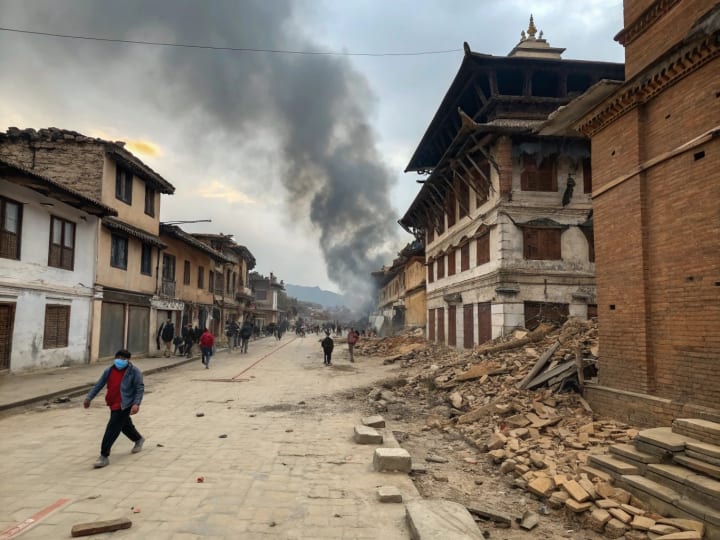
Rapid urban development, including the construction of skyscrapers, subways, tunnels, and other large structures, can also affect ground stability in certain regions. While unlikely to trigger major earthquakes, such development can cause localized tremors or exacerbate the effects of natural earthquakes in vulnerable areas. Additionally, activities like deforestation and aggressive land use may not directly cause seismic events, but they increase the risk of secondary hazards such as landslides, which can follow an earthquake and worsen its impact.
The connection between human activity and earthquake generation raises critical questions about our environmental responsibilities. As technology and industrial capabilities grow, so does our impact on the Earth's systems. While resource extraction and development are essential for economic growth, they must be balanced with a deep awareness of geological risks. Strong regulations, comprehensive scientific research, and environmentally conscious planning are vital to reducing the chances of triggering man-made earthquakes.
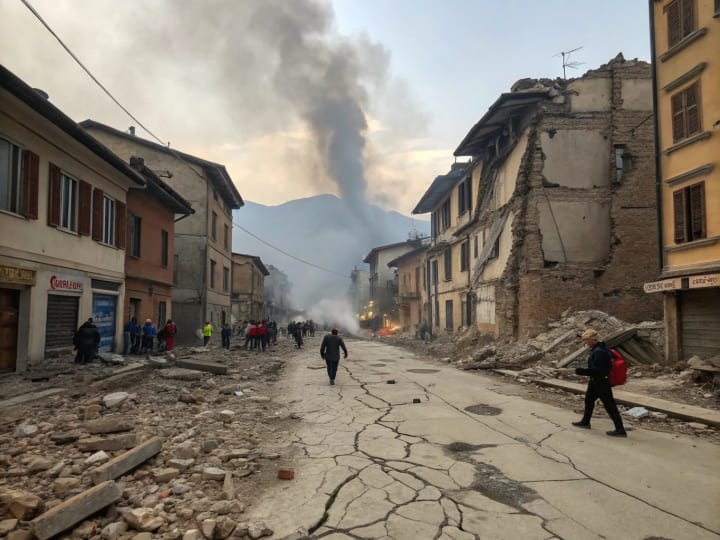
In summary, although most earthquakes occur due to natural tectonic and volcanic processes, human actions are increasingly being recognized as contributing factors. Activities such as mining, hydraulic fracturing, oil and gas extraction, large-scale dam construction, and underground fluid injection can disturb the Earth’s crust enough to induce seismic activity. These developments emphasize the urgent need for responsible environmental stewardship. By acknowledging the ways in which our actions can influence natural systems, we can take better precautions to protect lives and reduce the damage caused by earthquakes whether natural or human induced.
About the Creator
G.M. Rayhan
I'm G.M. Rayhan, a Journalist and content writer covering trending news from around the world. I deliver timely, engaging, and reliable stories that inform and inspire readers to stay connected with global events and viral topics.
Keep reading
More stories from G.M. Rayhan and writers in Earth and other communities.
Breathless Earth: The Alarming Rise of Global Air Pollution
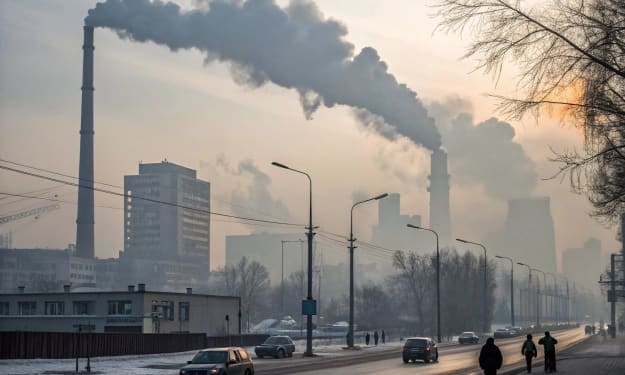
Air pollution is a mounting global crisis that is quietly but profoundly affecting the health of both our planet and its people, transcending borders, age groups, and environments. As rapid industrialization, urban growth, and increased vehicle usage continue to surge, the atmosphere is being saturated with dangerous pollutants such as carbon monoxide, nitrogen oxides, sulfur dioxide, ammonia, volatile organic compounds (VOCs), ground level ozone, and fine particulate matter (PM2.5 and PM10). These harmful substances stem from diverse sources including car exhausts, coal-based power plants, factories, construction work, agricultural activities, household heating, and open burning of waste.
By G.M. Rayhan10 months ago in Earth
Maryland to Get Its Own Smaller Version of the Las Vegas Sphere
Maryland is about to become home to a new entertainment icon. Inspired by the famous Sphere in Las Vegas, a smaller version of the massive immersive venue is planned for the state, promising to deliver a combination of live entertainment, cutting-edge technology, and a new tourist attraction. While the Las Vegas Sphere has already made headlines worldwide for its futuristic design and mind-blowing shows, Maryland’s version aims to bring a scaled-down but equally captivating experience to the East Coast.
By Muhammad Hassanabout 23 hours ago in Earth
Malted Wheat Flour Market Size and Forecast 2025
Malted Wheat Flour Market Overview Malted wheat flour is produced by germinating wheat grains, drying them, and grinding them into flour. This natural malting process activates enzymes—particularly amylase—that convert starch into fermentable sugars during baking. The result is improved dough fermentation, enhanced texture, increased loaf volume, and a richer, more consistent flavor profile in baked goods.
By Aaina Oberoi5 days ago in Earth



Comments
There are no comments for this story
Be the first to respond and start the conversation.