
Apple Snail Eggs: Common Problems & How to Fix Them
Understanding and Managing Apple Snail Eggs for a Healthy Aquarium Ecosystem

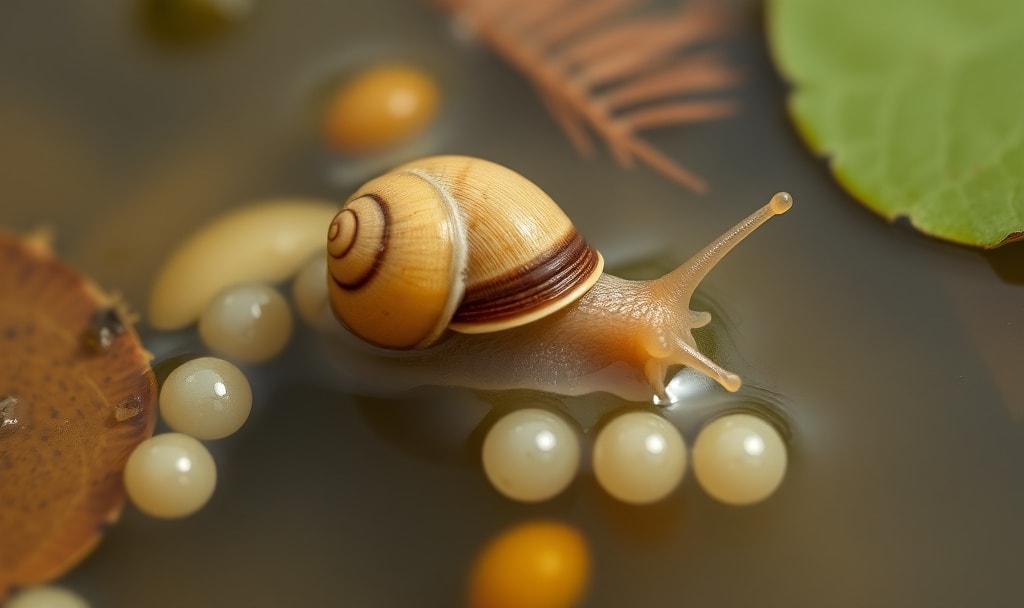
In aquariums and ponds around the world, the appearance of bright pink egg clusters on rocks or glass is often a sign that apple snails are present. While their eggs may look fascinating, apple snail eggs can cause many issues ranging from toxic risks to pet and human health, to overpopulation and threats to local environments.
For aquarium and pond owners, understanding the hazards of apple snail eggs and how to address them is essential for maintaining a healthy aquatic ecosystem. We explores the most common problems caused by apple snail eggs, as well as effective solutions for preventing and fixing them, to help you be a responsible and knowledgeable aquarist or pond keeper.
Identifying Apple Snail Eggs
Apple snail eggs are typically laid in conspicuous pink clusters just above the waterline. These soft, jelly-like eggs can contain hundreds of embryos, and their vivid color is a natural warning sign.
The eggs are most often found clinging to tank glass, plants, rocks, or any solid surface that is moist but not fully submerged. Early detection is key look for these clusters during routine maintenance, as the visual presence of eggs can be an early sign of other problems emerging in your aquatic setup.
Problems typically become apparent when:
- Egg clusters are left undisturbed and start to hatch in high numbers
- Eggs are left in areas where pets or children have access
- Eggs fall into the water due to improper placement or heavy disturbance
Quick identification and monitoring help prevent complications before they arise.
Common Problems with Apple Snail Eggs

Toxicity and Health Risks
Perhaps the most immediate concern is that apple snail eggs, particularly those of the invasive Pomacea canaliculata species, contain a potent neurotoxin called PcPV2. This toxin can irritate human skin and eyes and poses significant health risks if accidentally ingested.
Pets, particularly curious cats and dogs, are also at risk if they interact with or consume the eggs. Egg handling with bare hands can lead to mild symptoms, but it’s always best to avoid contact whenever possible.
To safely manage apple snail eggs, always:
- Use gloves or a small tool, such as a paint scraper, to remove egg clusters safely
- Avoid touching your face or eyes during disposal
- Wash your hands thoroughly after any contact with tank water, snails, or eggs
Prevent exposure to pets and children by maintaining a secure barrier and promptly removing eggs on discovery.
Overpopulation and Egg Management
Apple snails are among the most prolific breeders in the freshwater hobby. A single female can lay hundreds to thousands of eggs every few days. When left unchecked, this can quickly produce an overwhelming snail population, leading to biological overload, excessive algae, fouling of the tank or pond water, and food competition with fish or other aquatic life.
Key problems include:
- Overcrowding and increased waste
- Stressed or malnourished fish due to competition
- Faster oxygen depletion and ammonia spikes
Effective population control starts with proactive egg management:
- Regularly inspect above-water surfaces for new egg clusters
- Remove eggs before hatching (incubation typically takes 1–2 weeks)
- Dispose of eggs by freezing them in a sealed plastic bag for 24–48 hours, then discarding them in household trash, or crush and bag them before disposal to ensure no offspring survive
- Lower the waterline or raise the tank’s covered area to reduce suitable laying sites, if feasible
Ecological Impact & Invasiveness
In many regions, apple snails and their eggs are classified as invasive species. If released accidentally or intentionally into natural water bodies, they can devastate local ecosystems, destroying native plants, outcompeting indigenous snails, and clogging irrigation systems. The economic and ecological impact can be severe, especially in rice paddies and wetlands.
To prevent environmental harm:
- Never release snails or their eggs in outdoor water systems or wild habitats
- Educate other hobbyists and report infestations to local environmental authorities where required
- Where appropriate, use biological controls (such as shellcracker fish in ponds where permitted) and remove adults manually
Egg Deposition and Fertility Issues
Sometimes, apple snails fail to lay eggs in optimal locations or produce infertile egg masses. Eggs laid below the waterline often fail to develop, and isolated female snails may lay infertile clutches that will not hatch. Additionally, abnormal environmental conditions (humidity, temperature, or lack of calcium) can cause failed hatching or deformed embryos.
To address these issues:
- Provide appropriate laying surfaces just above the waterline for normal deposition
- Check tank parameters and adjust temperature and humidity as recommended for the species
- Remove any moldy, decomposing, or infertile clutches promptly to keep the environment clean
- If persistent issues occur, review snail diet and consult care guides for optimal breeding conditions
Solutions: How to Fix Apple Snail Egg Problems
Effective management relies on a combination of prevention, safe handling, and ongoing vigilance:
- Always wear gloves or use a small utensil for egg removal
- Freeze or crush eggs before disposal to prevent unintentional hatching
- Maintain balanced tank or pond populations and avoid overfeeding to control breeding urges
- Keep up regular maintenance and monitoring to catch new clusters early
- Tank modifications such as lowering water to minimize above-water laying space or using tank lids can further limit egg laying.
Conclusion
Apple snail eggs bring both beauty and challenge to aquarists and pond keepers. Whether your priority is maintaining a balanced tank, protecting local wildlife, or simply keeping curious hands and pets safe, awareness and swift action are your best allies.
Regular monitoring, responsible handling, and diligent disposal ensure that your aquatic ecosystem thrives without the risks of toxic exposure, overpopulation, or unintended invasions.
Through proactive measures, you can enjoy the fascinating world of apple snails and their eggs while keeping common problems firmly under control.
About the Creator
Arjun
Aquarium hobbyist sharing simple, real-world fixes for snail, shrimp, and plant problems. Clear guides, no fluff just practical tips to keep your tank healthy and thriving.
The Iran Crisis: A Strategic Breakdown
**Title:** A few months ago, large Chinese cargo planes were reported in Iran, and it was claimed that advanced defense equipment was being transferred to Iran. Now, according to new reports, Chinese technology is being used in Iran, and as a result, Iran has shot down three American aircraft over Kuwait. While these specific incidents remain unverified by independent international sources, they reflect broader concerns about escalating military-technical cooperation between Tehran and Beijing. Notably, in 2021, Iran and China signed a comprehensive 25-year strategic partnership agreement covering economic, energy, and security cooperation—a framework that could plausibly facilitate defense technology transfers.
By Literary fusion3 days ago in Earth




Comments
There are no comments for this story
Be the first to respond and start the conversation.