
In Maduro’s Capture, Russia Sees a Great-Power Rival Act with Impunity
How the U.S. Operation in Venezuela is Shaking Moscow’s Strategic Calculus

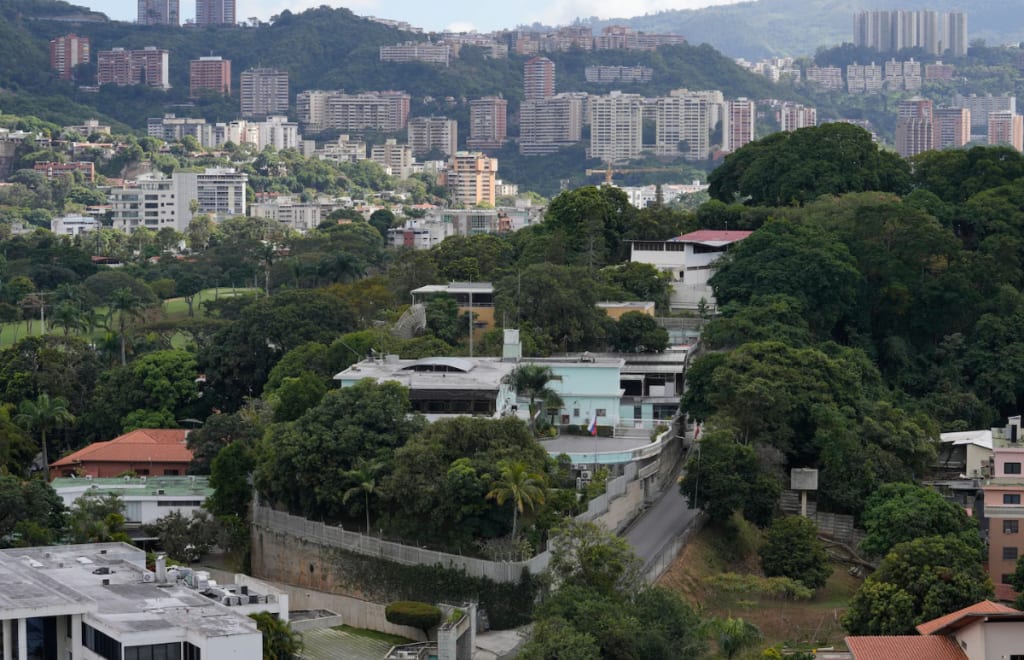
The world watched in early 2026 as U.S. special forces struck in Venezuela and captured President Nicolás Maduro. It was a dramatic move that upended politics in Caracas — and sent shockwaves through Moscow.
For Russia, Maduro wasn’t just an ally; he was a key piece in a global chess game stretching from Latin America to the Middle East. His capture has forced Russian strategists to reconsider how far they can project power — and what it means when a rival acts seemingly without consequence.
A Blow to Russian Influence
Venezuela has long been one of Russia’s few footholds in the Western Hemisphere. Moscow supplied weapons, energy investments, loans, and political backing to Maduro. The goal was simple: counterbalance U.S. influence and maintain a strategic ally near American borders.
Maduro’s capture has changed that calculus. Russia’s foreign ministry condemned the operation as “armed aggression” and demanded respect for Venezuela’s sovereignty. At the same time, Moscow backed Delcy Rodríguez as interim leader, framing it as support for Venezuela’s self-determination.
But behind the formal statements, analysts suggest Moscow is feeling the sting. The U.S. operation was fast and effective — a stark contrast to Russia’s costly, prolonged campaigns elsewhere. For many, it exposed gaps in Russia’s ability to defend its allies abroad.
The Kremlin’s Dilemma
Inside Russia, commentators and analysts are debating what Maduro’s capture says about global power dynamics. Some see it as a glaring demonstration of U.S. military reach. Others point out the hypocrisy of international law, given Russia’s own record in Ukraine.
But the underlying concern is strategic. Venezuela was one of the few places where Russia could claim a geopolitical win outside Europe and the Middle East. Losing leverage over Caracas diminishes Russia’s influence in energy markets, political alliances, and the narrative of great-power competition.
A New Era of Great-Power Competition
Russian experts are framing the event as evidence that international norms are eroding. In their view, powerful nations now act where it suits them, regardless of global rules — a logic Russia often uses to justify its own interventions.
The U.S. capture of Maduro, framed as a law-enforcement operation targeting corruption and drug trafficking, has inadvertently reinforced Moscow’s messaging: great powers act with impunity. It’s a convenient narrative for Russian state media, even if the reality exposes Russia’s own limitations.
Economic and Strategic Consequences
Maduro’s removal isn’t just political; it has economic ramifications for Russia. Caracas was part of OPEC+ and home to joint energy ventures. U.S. access to Venezuelan resources could impact oil markets, squeezing Moscow’s budget further.
Other projects, from weapons sales to industrial partnerships, now face uncertainty. What was once a partnership built on mutual opposition to the U.S. may now be a casualty of American assertiveness.
Domestic Perception in Russia
How Russians perceive the operation matters as much as the operation itself. Some voices call for a tougher stance to defend Moscow’s allies. Others acknowledge the gap between Russian and American capabilities.
This debate influences both public sentiment and the Kremlin’s policy decisions. It shapes how Russians see their country’s role in the world — whether as a global power able to project influence, or a state constrained by geography, economy, and international reaction.
What This Means for Global Politics
Maduro’s capture is more than a headline. It signals a shift in global power dynamics. For the U.S., it shows the willingness to project force far from home. For Russia, it underscores limits in influence and credibility.
Moscow may continue to use this event in propaganda and rhetoric, but the reality is stark: words without action may not sustain alliances or deter rivals. The event also raises questions about the rules-based international system. If powerful countries intervene militarily at will, what does that mean for global stability?
The Takeaway
Russia’s reaction to Maduro’s capture reflects a broader truth: modern power is measured not just by intent, but by capability. Russia may want to project global influence, but when rivals act decisively, even long-standing allies can be lost.
Maduro’s removal also highlights a changing world order. Great powers no longer operate in isolated theaters. Every move, whether in Latin America or elsewhere, is scrutinized and reverberates globally.
For Moscow, the message is clear: ambitions must match capability. For the world, it’s a reminder that power without action is only potential — while decisive, well-resourced rivals can act with apparent impunity.
About the Creator
Muhammad Hassan
Muhammad Hassan | Content writer with 2 years of experience crafting engaging articles on world news, current affairs, and trending topics. I simplify complex stories to keep readers informed and connected.
Keep reading
More stories from Muhammad Hassan and writers in Earth and other communities.
Trump’s Plan to Own the Western Hemisphere and Greenland Is Not What Americans Want
Donald Trump’s foreign policy ambitions have always made headlines, but in early 2026, the conversation took a new turn — one that’s making Americans sit up and take notice. From proposals to dominate the Western Hemisphere to floating ideas about acquiring Greenland, Trump’s rhetoric has been bold, controversial, and, for many, out of step with what the public actually wants. While these ideas might energize parts of the political base, polls and public opinion suggest most Americans are skeptical, even alarmed, about using the military or U.S. influence to expand territory. Let’s break down what’s happening and why the majority of Americans are not on board. The “Don‑roe Doctrine” and a Bold Vision Trump’s team has revived the Monroe Doctrine — the 19th-century policy that told European powers to stay out of the Western Hemisphere — but with a modern twist. Some have jokingly dubbed it the “Don‑roe Doctrine”, emphasizing America’s supposed right to dominate the region and block rivals like China and Russia from gaining influence. In recent statements, Trump and his advisers have stressed that the Western Hemisphere should be under U.S. control, signaling a willingness to increase American power in Latin America. While rooted in history, this rhetoric goes far beyond traditional diplomacy, suggesting active intervention or oversight in neighboring countries’ affairs. Greenland: The Arctic Gambit If dominating the hemisphere wasn’t ambitious enough, Trump has also made headlines with Greenland, the world’s largest island and an autonomous territory of Denmark. Trump has suggested that the U.S. should explore acquiring Greenland, citing strategic national security reasons. The White House went even further, confirming that “a range of options” is on the table — including military involvement if negotiations fail. This statement made global headlines, sparking criticism not just from Denmark but from European leaders across the board. It’s an idea that would have seemed unthinkable a decade ago, and it raises serious questions about international law, diplomacy, and the U.S.’s reputation abroad. Why Americans Aren’t Buying It You might assume bold expansionist rhetoric would excite a nationalist base, but surveys and polls tell a different story. Only about 11% of Americans support purchasing or annexing Greenland. A majority of respondents oppose it outright, including many Republicans. Most Americans prefer a focus on diplomacy, domestic issues, and practical governance, rather than acquiring distant lands. There’s also a strong sense of military fatigue. After decades of overseas interventions, many Americans are wary of costly and risky military actions that may not directly protect U.S. interests. International Pushback Trump’s Greenland idea hasn’t just been controversial domestically — it’s caused outrage abroad. Denmark, the sovereign nation over Greenland, made it clear that the island is not for sale. European leaders have voiced strong support for Greenland’s autonomy and warned that any U.S. attempt to take control could strain alliances, including NATO. Even countries in the Western Hemisphere are cautious. Many Latin American leaders view heavy-handed U.S. influence as unwelcome, highlighting the risks of a foreign policy focused on territorial dominance. The Public Sentiment Gap The contrast between Trump’s ambitions and American public opinion is stark: Sovereignty matters: Most Americans recognize that countries, including Greenland, have the right to self-govern. Military intervention fatigue: There’s little appetite for new foreign conflicts, especially for reasons seen as symbolic or expansionist. Focus on domestic priorities: Healthcare, the economy, education, and infrastructure consistently outrank foreign conquest in Americans’ list of priorities. In short, the public is telling leaders that the future of U.S. influence lies in cooperation, not domination. Why This Matters Trump’s rhetoric has drawn global attention, strained alliances, and created diplomatic tensions. But beyond the headlines, it’s also a reminder of the limits of foreign policy that ignores public opinion. Americans want their leaders focused on practical issues — and most see territorial expansion or hemispheric control as a distraction at best, a liability at worst. The Greenland debate, in particular, highlights the potential clash between ambitious political theater and real-world consequences. While Trump’s ideas make for sensational headlines, they don’t reflect the priorities of everyday Americans. Final Thoughts Donald Trump’s vision of owning the Western Hemisphere and potentially acquiring Greenland is bold — some might even call it audacious. But boldness alone doesn’t win hearts and minds. In fact, Americans are largely rejecting expansionist rhetoric, favoring diplomacy, alliances, and domestic problem-solving over territorial ambition. In a world that is interconnected and wary of unilateral power grabs, the public seems to be sending a clear message: power is important, but consent, cooperation, and practicality matter even more. As Trump continues to push these ideas, he faces the reality that public opinion, international norms, and global diplomacy may be the real limits on his ambitions — not headlines or political theatrics.
By Muhammad Hassan2 months ago in Earth
Man (22) Charged With Murder of English Tourist in Temple Bar
Arrest and Formal Charges A 22-year-old man has been charged with the murder of an English tourist following a fatal incident in Dublin’s Temple Bar area. The charge comes after an intensive Garda investigation into events that unfolded in one of Ireland’s busiest and most popular nightlife districts.
By Aarif Lasharia day ago in Earth



Comments
There are no comments for this story
Be the first to respond and start the conversation.