
American Animals Utah and Vermont
The wildlife of the US states of Utah and Vermont

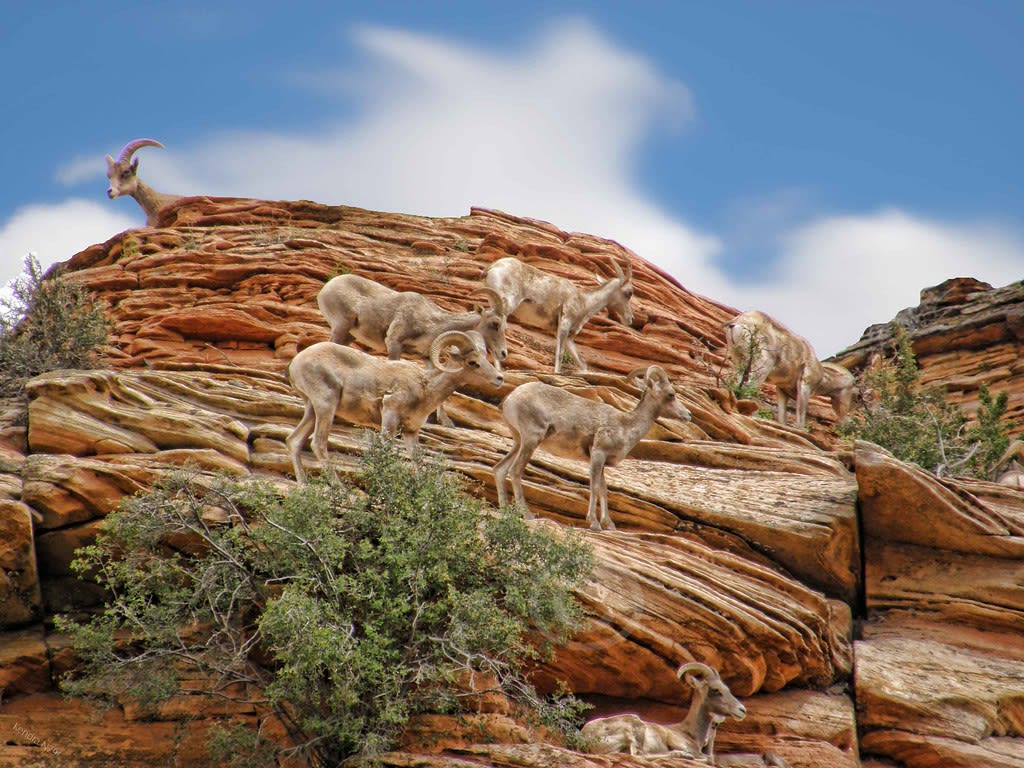
Wildlife Of Utah
The word for the US state of Utah comes from the word Ute which means "people of the mountains" in an indigenous language. The state is comprised of three main geographical regions - the Rocky Mountains stretching through the northeast border near Idaho and Wyoming, the Great Basin along the border with Nevada and Arizona, and the Colorado Plateau near the eastern border with Colorado. To the north is the Great Salt Lake which is the largest saltwater lake in the entire Western Hemisphere.
Official State Animal
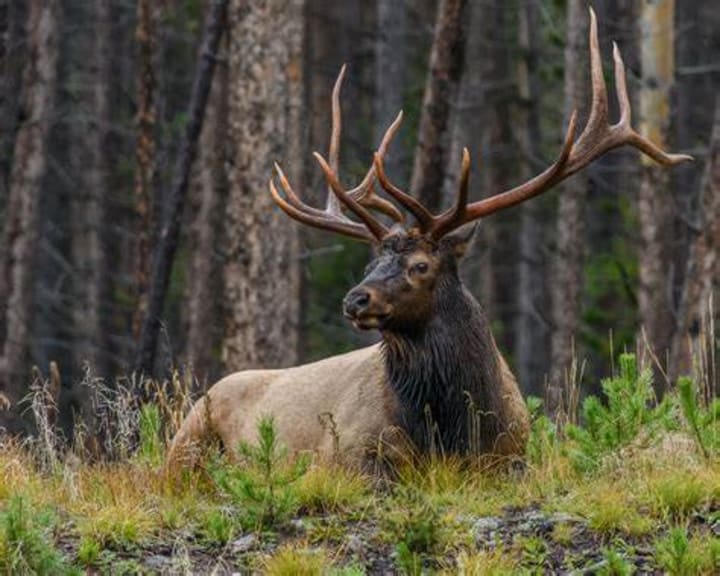
Rocky Mountain Elk
Official State Bird

California gull
Some of the most interesting wildlife can be found in Utah's five national parks:
Zion National Park is home to cougars, bobcats, badgers, bighorn sheep, ring-tailed cats, rodents, and deer.
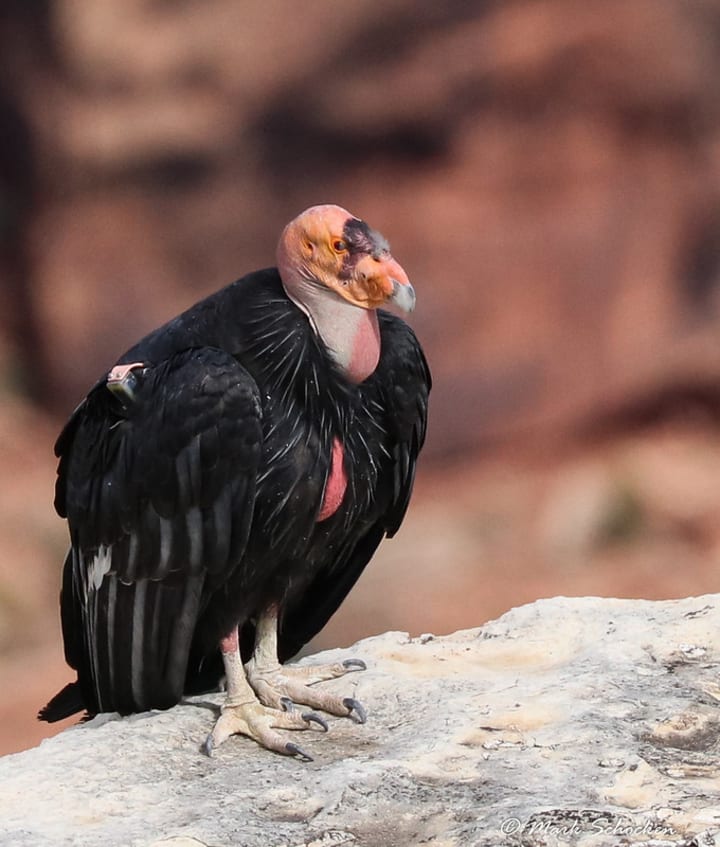
There is a successful breeding program for one of the rarest birds in the country, the condor.
Antelope Island State Park is near Salt Lake City and is the largest island in the Great Salt Lake. It is home to pronghorn antelope and is known for its heard of bison.
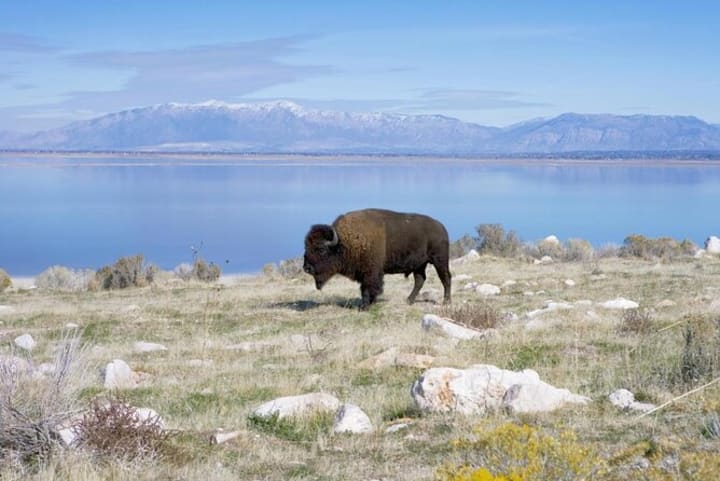
Other animals making their home here are bobcats, mule deer, coyotes, wild sheep, and migratory birds.
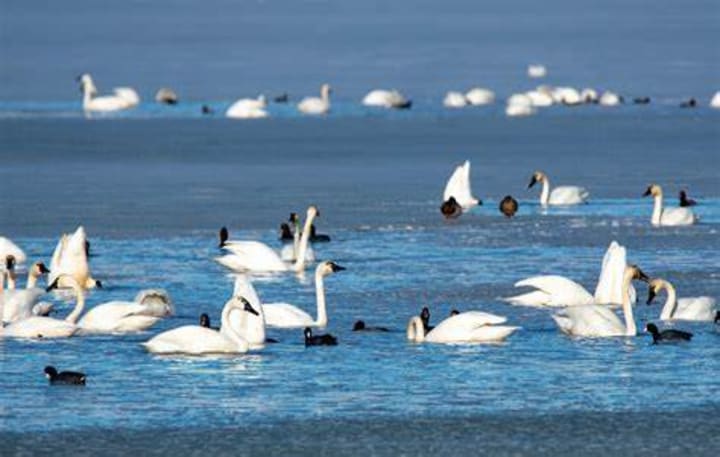
The Great Salt Lake is the destination for many migratory birds and waterfowl among them stilts, plovers, gulls, sandpipers, ducks, and geese.

The Flaming Gorge National Recreation Area lies on the border between Utah and Wyoming. It is popular with fishermen for trout, salmon, bass, and burbot. Animals living here include cougars, eagles, elk, moose, bears, and antelopes.

The Red Fleet State Park to the south of the Uinta Mountains, a sub-range of the Rocky Mountains had red slick rock formations and a fossil track of dinosaur footprints, The animals living here include hawks, golden eagles, vultures, ospreys, owls, bobcats, coyotes, and deer.
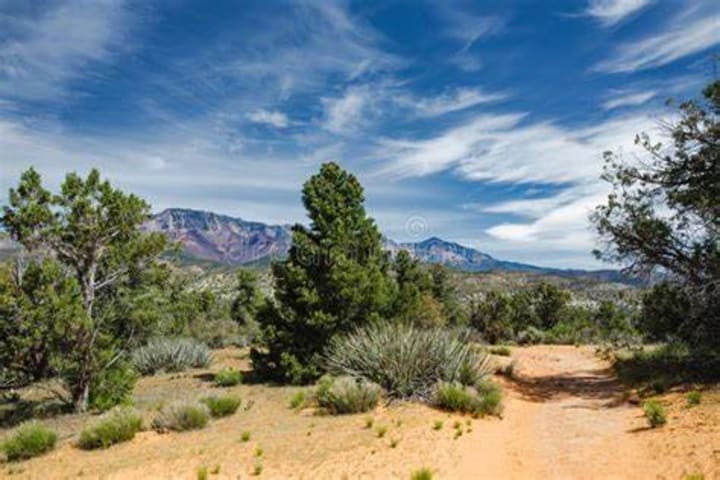
The Dixie National Forest in south-central Utah is the largest national forest in the state. There are pinyon and pine forests and sparse desert-type plants.
Animals making their home here are cougars, bobcats, antelopes, prairie dogs, eagles, and turkeys.
Endangered Species in Utah
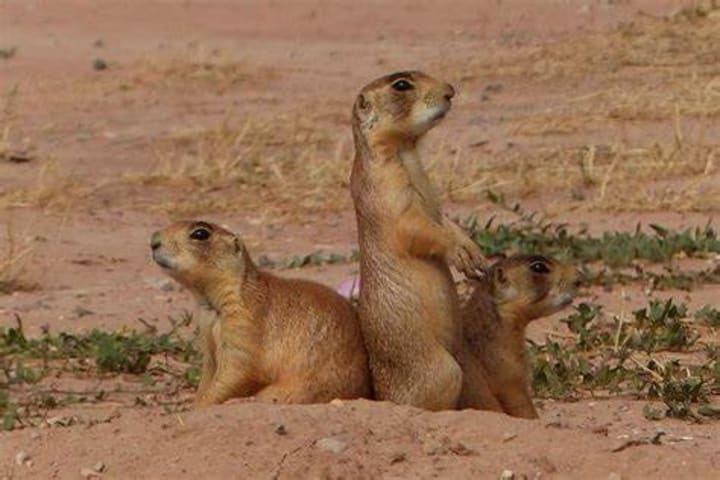
Prairie dogs are endangered due to the loss of suitable prairie habitat and poisoning by farmers for eating crops and digging holes, Only about 1000 members of this species remain in the wild.
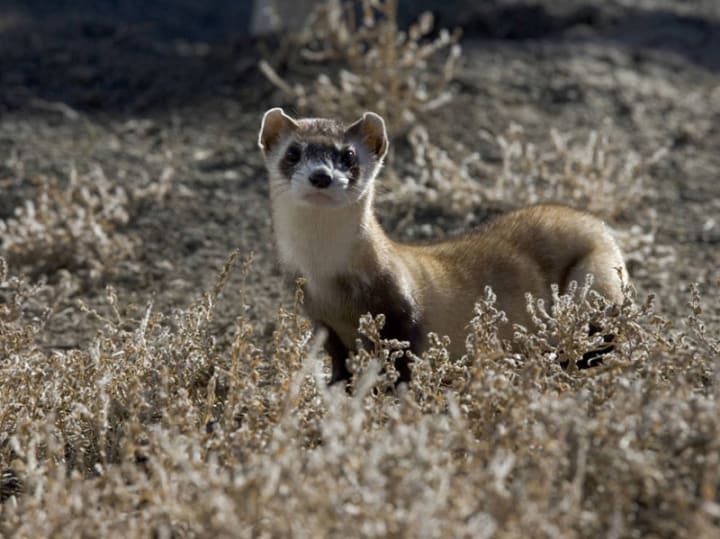
The Black-footed ferret is a nocturnal animal from the weasel family. There is a black mask around its eyes and feet. It is threatened by the decline of its main food source prairie dogs and the fur trade.
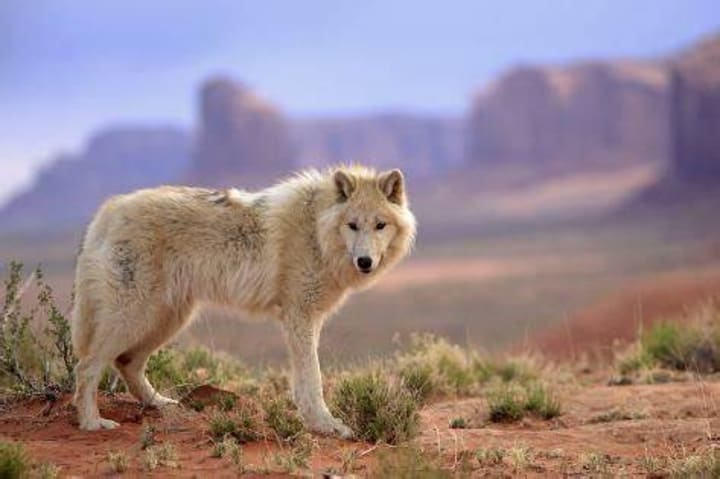
The Gray Wolf is one of the rarest animals in the state.
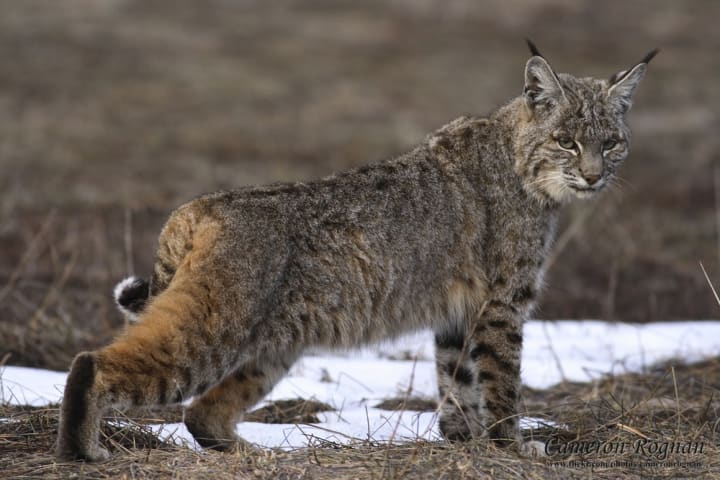
The Canadian Lynx is a medium-sized feline with long ear tufts, dense fur, and big padded feet, It is very rare in Utah.
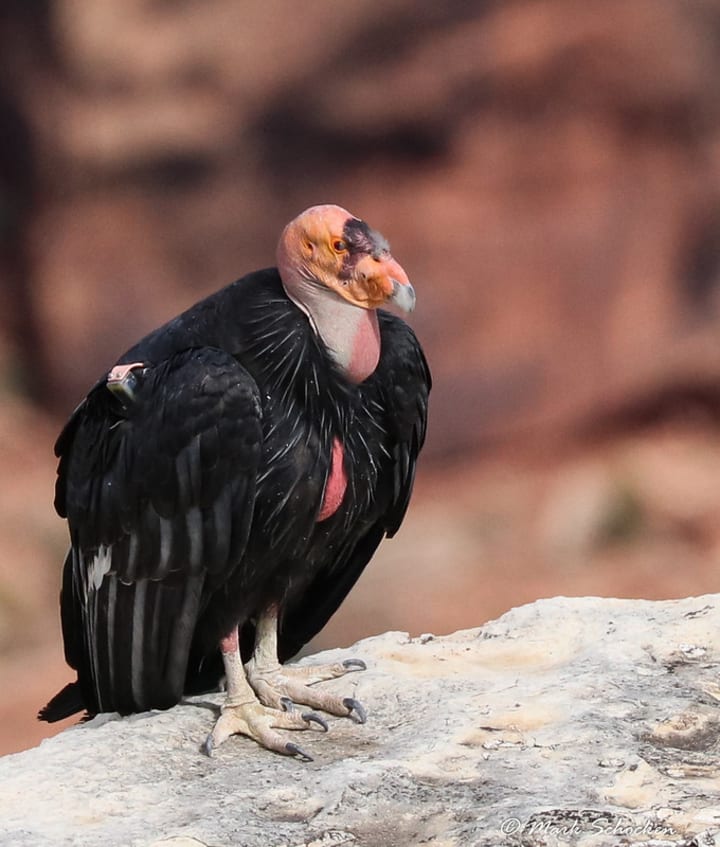
California Condor is one of the largest and rarest birds in North America. Endangered due to habitat destruction, poisoning, and poaching. They are surviving in southwestern Utah due to strong conservation efforts.
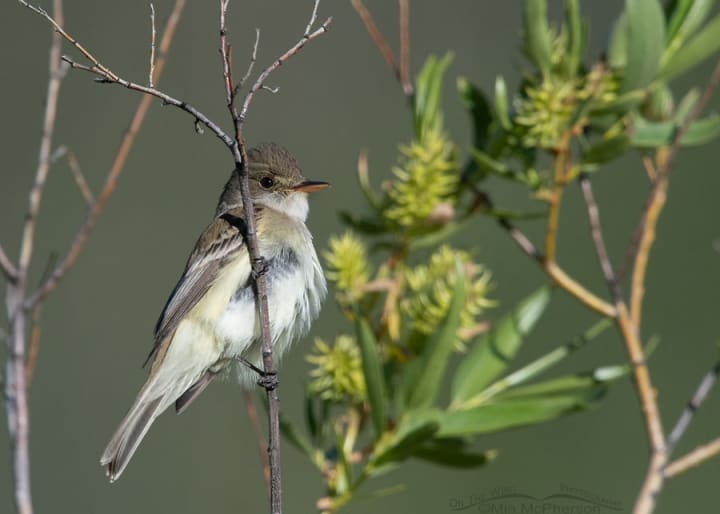
The Southwestern Willow Flycatcher is a small migratory bird with a green body. Endangered due to habitat loss and a decline of its native nesting trees. Only a few hundred breeding pairs remain in the wild.
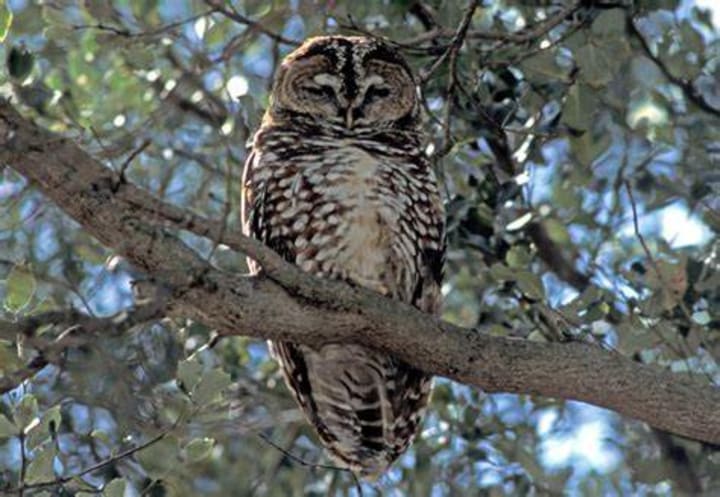
Mexican Spotted Owl with white spots on its body. Threatened by habitat loss due to the logging industry.
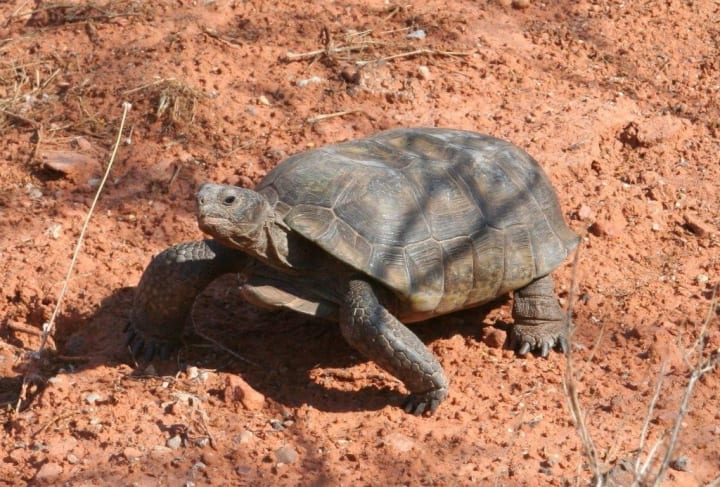
Desert Tortoise native to the arid Mohave Desert in southwestern Utah. Diminishing in number due to human activity and disease.
Wildlife of Vermont
Wetlands
The state of Vermont has less than 5% of wetlands today. The wetlands that are left provide a habitat and food for waterfowl such as ducks, mergansers, loons, and wading birds.
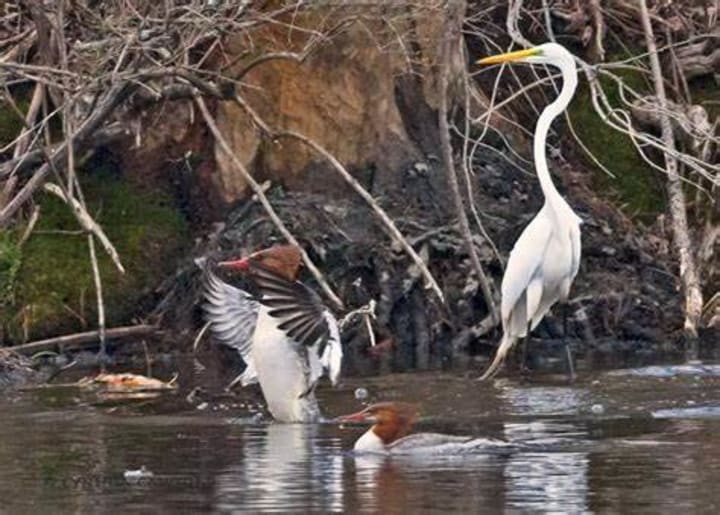
Among the wading birds that make their home here are herons, bitterns, and egrets.
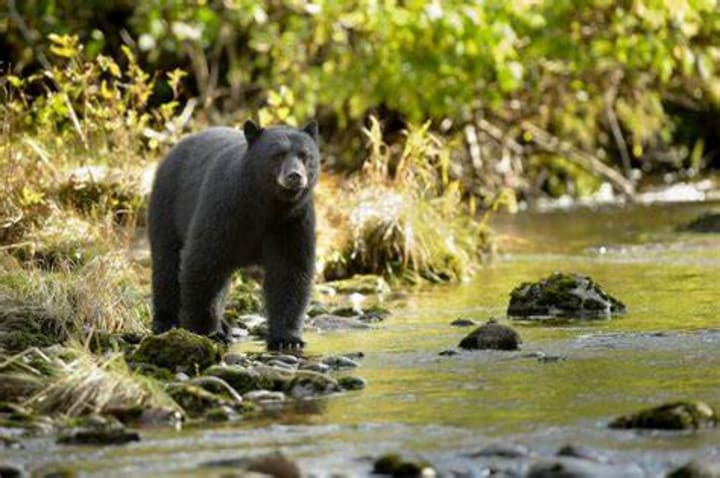
The wetlands are also home to mammals like moose, black bear, otter, mink, and beaver.
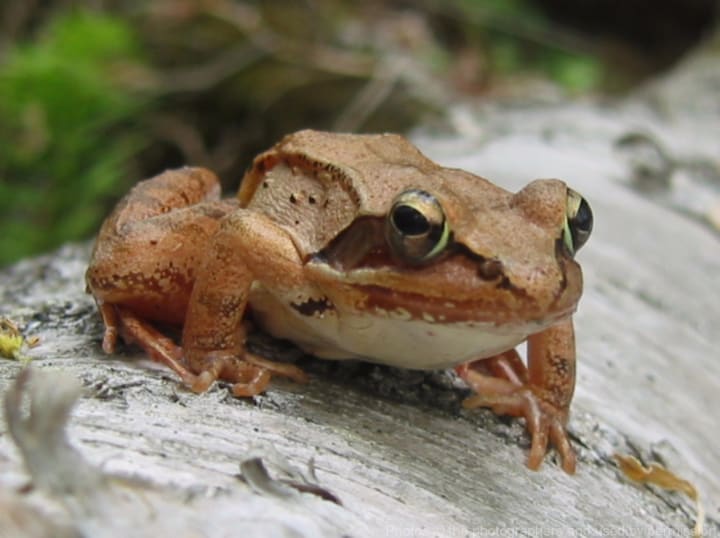
There are amphibians such as frogs, toads, and salamanders. Among the reptiles making their home here are turtles, snakes, and skinks. Completing the picture are interesting plants such as jack-in-the-pulpit, pitcher plants, and sundews.
The Champlain Valley
The Champlain Valley is in lower elevation and warmer all year long. There are extensive wetlands bordering Lake Champlain. This provides a habitat for waterfowl, wading, and migrating birds.
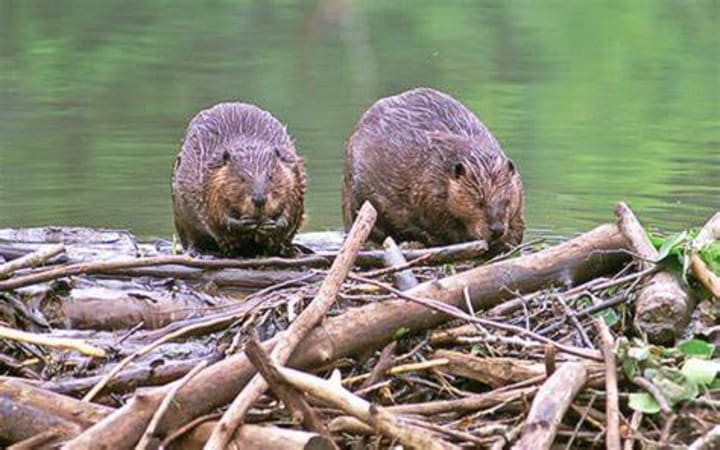
It is also home to turtles, amphibians, and mammals such as beaver and mink.
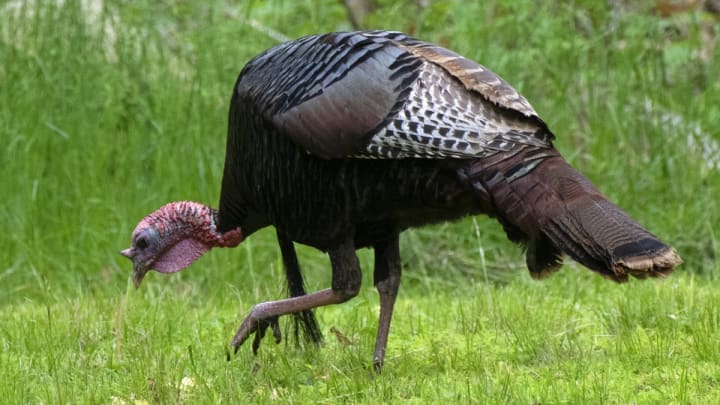
Above these wetlands are agricultural fields and adjacent forests where you can find animals such as wild turkeys, deer, foxes, hawks, owls, rodents, and songbirds.
The Taconic Mountains
Glacial action formed the Taconic Mountains and they are rich with underground sources of freshwater and rich soil. The mountains are a source of slate and other stones. On the lower slopes are rich oak-hickory forests and northern hardwood forests.
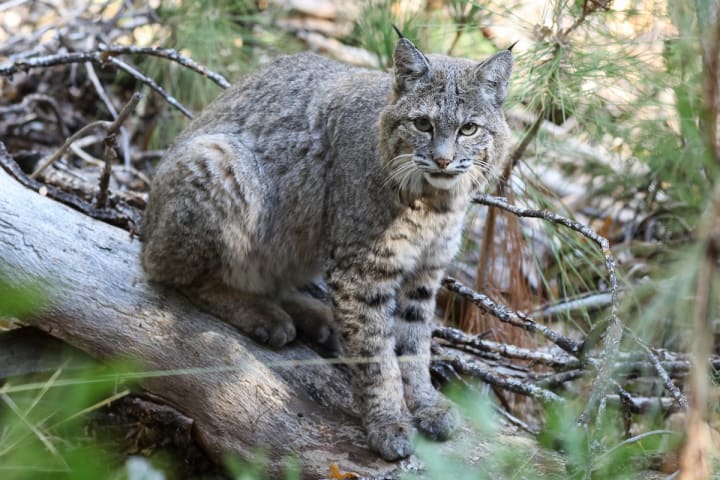
This area provides homes for black bears, deer, bobcats, amphibians, bats, and birds.
The Vermont Valley
The Vermont Valley is a narrow region that lies between the two mountain ranges in Vermont - the Green Mountains to the east and the Taconic Mountains to the west. In this valley, two major rivers start the Otter Creek and the Batten Kill with many wetlands including fens and swamps. It is home to mammals, birds, and amphibians.
The Green Mountains National Forest
Both the Northern Green Mountains and the Southern Green Mountains are part of the Appalachian Mountian system.

The forest provides a habitat for various wildlife among them beaver, moose, coyote, black bear, white-tailed deer, wild turkey, and ruffed grouse.
Northern Vermont Piedmont
There are lakes, rivers, and wetlands in the Northern Vermont Piedmont. Also northern hardwood and hemlock forests, The wetlands are fens and northern white cedar swamps with some floodplain forests.
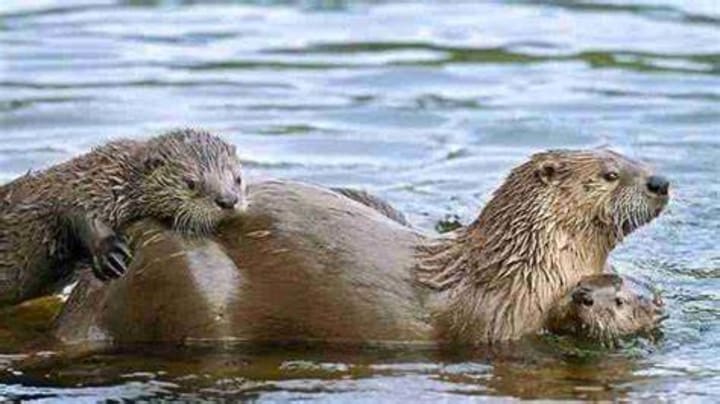
This provides a habitat for large mammals requiring larger territory such as deer, moose, coyote, beaver, fox, mink, otter, and wild turkey.
Southern Vermont Piedmont
The Southern Vermont Piedmont includes rolling hills, streams, and rivers with the largest river being the Connecticut River. There are northern hardwood and mixed forests that offer habitat to mammals, birds, and amphibians such as red-backed and spotted salamanders.
Northern Highlands
The Northern Highlands is a cold and remote area in Vermont, The Connecticut River flows through this region providing a river valley with wetlands, floodplains, and oxbow lakes. In this cold region, forests are more boreal.

Animals who make their home here are gray jay and spruce grouse, but bear, bobcat, deer, moose, beaver, mink, otter, and fisher.
About the Creator
Rasma Raisters
My passions are writing and creating poetry. I write for several sites online and have four themed blogs on Wordpress. Please follow me on Twitter.
Keep reading
More stories from Rasma Raisters and writers in Earth and other communities.
American Animals Texas
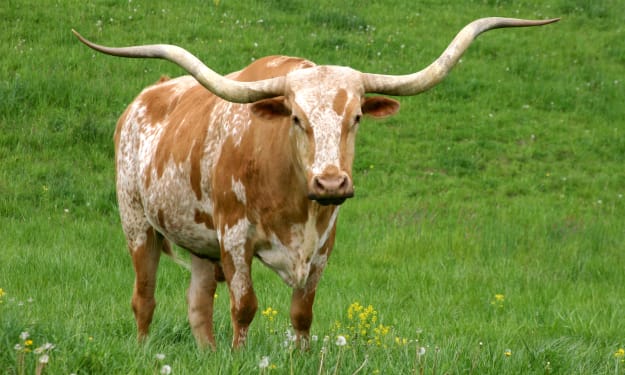
The large US state of Texas is home to 29 million people and is one of the largest states in the US by both population and land mass. Its terrain varies from mountain forests to extensive coastline. Texas has over 800 different habitats and its vast variety of wild animals includes 540 species of birds and 142 species of mammals, amphibians, and others.
By Rasma Raistersabout a year ago in Earth
What Is Halal Food? A Complete Guide to Its Meaning, Benefits, and Global Importance
Halal food follows Islamic law from the Koran for permissibility. The word "halal" comes from the Arabic language, meaning "lawful" or "allowed". Though its origins are religious, halal food today is seen not only within the context of religion but also as a standard for cleanliness, humane treatment of animals, and food quality. Halal food guidelines apply to not only what food is eaten, but how it is sourced, prepared, processed, and served.
By Rohit Shah3 days ago in Earth
Global Markets on Alert as Europe Suspends Approval of US Trade Deal
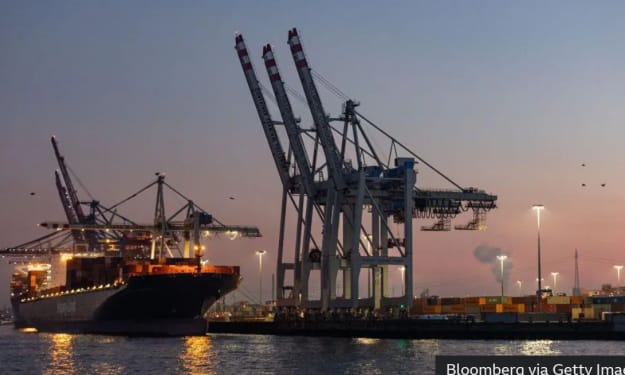
Global financial markets are on high alert following Europe’s announcement that it will suspend approval of a major US trade deal, a decision that has sent shockwaves across stock exchanges, currency markets, and investment forums worldwide. The move comes amid growing concerns over trade imbalances, regulatory disputes, and geopolitical tensions between the United States and European Union. Economists warn that the suspension could create ripple effects across global supply chains, impacting everything from manufacturing and energy to technology and agriculture. The Trade Deal in Question The US-EU trade agreement, intended to streamline tariffs, boost investment, and harmonize regulations between the two economic powerhouses, had been widely anticipated as a game-changer for transatlantic commerce. Negotiations had taken years, with both sides seeking to protect sensitive industries while opening markets for goods and services. However, Europe’s decision to halt the deal reflects mounting concerns over the potential impact on domestic industries and regulatory standards. EU officials cited the need for further review of compliance with environmental, labor, and consumer protection regulations before giving the agreement a green light. While not a full cancellation, the suspension introduces uncertainty and highlights the fragility of international trade negotiations in the current geopolitical climate. Immediate Market Reactions Financial markets reacted swiftly. Stock indices in Europe, the US, and Asia experienced volatility as investors recalibrated expectations for corporate earnings, trade flows, and economic growth. Commodity markets, particularly oil and agricultural products, also saw price fluctuations as supply chain uncertainties increased. The US dollar strengthened slightly against major currencies, reflecting investor demand for perceived “safe-haven” assets amid uncertainty. Meanwhile, European stock markets experienced moderate declines, particularly in sectors most dependent on transatlantic trade, such as automotive, aerospace, and industrial machinery. Investment analysts caution that this volatility may persist as both sides negotiate next steps. Market participants are monitoring political statements, regulatory filings, and industry responses closely to gauge the potential timing and scope of any eventual agreement. Broader Economic Implications Beyond immediate market movements, the suspension of the trade deal could have broader consequences for global economic growth. Reduced trade flows between the US and EU may affect multinational companies that rely on predictable tariffs and harmonized regulations. Sectors such as technology, pharmaceuticals, and energy could face delays in approvals, increased costs, or regulatory conflicts. Emerging markets may also feel the impact indirectly. Many countries are linked to transatlantic supply chains, exporting components, raw materials, or services to Europe or the United States. Any slowdown in EU-US trade could ripple through global production networks, affecting economic growth and employment in distant regions. Political Dimensions The suspension is not purely economic; it also has significant political implications. EU leaders are facing domestic pressures to safeguard industries, protect workers, and maintain environmental and safety standards. At the same time, US officials are emphasizing the strategic benefits of transatlantic cooperation and the risks of prolonged uncertainty. This tension underscores the broader challenge of balancing national interests with the benefits of globalization. Trade agreements are rarely purely transactional; they carry social, political, and environmental stakes. Europe’s decision to pause approval reflects a cautious approach in a time of global volatility, including ongoing geopolitical conflicts, energy security concerns, and fluctuating financial markets. Expert Analysis Economists and trade experts suggest that while the suspension introduces short-term uncertainty, it does not necessarily mean the collapse of the US-EU trade agreement. “This is a temporary pause,” says Dr. Elena Fischer, an international trade analyst. “Europe wants to ensure that the deal aligns with regulatory and sustainability standards. Once concerns are addressed, there is a strong likelihood that negotiations will resume and the agreement will eventually move forward.” Others, however, warn that delays could embolden protectionist tendencies and encourage other nations to reconsider or renegotiate trade agreements. The current global environment—marked by rising inflation, energy price volatility, and ongoing geopolitical tensions—makes international cooperation more complex than ever. Industry Responses Businesses on both sides of the Atlantic are closely watching the developments. Large multinational corporations have expressed concern about the potential for regulatory divergence, increased compliance costs, and disrupted supply chains. Some industries, such as automotive manufacturers and tech companies, rely heavily on synchronized regulations and predictable tariffs to maintain profitability. Trade associations are urging governments to provide clarity and timelines to prevent prolonged uncertainty. Investors, meanwhile, are adjusting portfolios to hedge against potential volatility, emphasizing sectors that may be less affected by transatlantic trade fluctuations. Potential Next Steps The path forward likely involves further negotiation, regulatory review, and stakeholder consultations. European officials have indicated that they are committed to maintaining high environmental and labor standards, while US negotiators are advocating for rapid approval to support economic growth and stability. Observers expect a period of careful diplomacy, with both sides balancing domestic pressures against broader economic and strategic interests. While the market may continue to experience volatility, experts suggest that clarity will eventually emerge, either in the form of a revised deal or a timeline for approval. Conclusion The suspension of the US-EU trade deal serves as a stark reminder of the delicate balance in global economic relations. Markets respond instantly to news and sentiment, while underlying economic, political, and regulatory considerations unfold more slowly. Investors, businesses, and policymakers must navigate these uncertainties carefully, weighing risks and opportunities in an interconnected world. As Europe pauses to ensure compliance and protect domestic interests, the global community watches closely. The resolution of this trade issue will not only shape transatlantic commerce but could influence global trade norms, investor confidence, and economic growth for years to come. For now, the message is clear: in an era of complex international relationships, vigilance and strategic foresight are paramount for global markets.
By Muhammad Hassan5 days ago in Earth


Comments (1)
Who knew how wild and woy Utah us, wow! Great story.