
American Animals North Carolina and North Dakota
Wildlife in the US states of North Carolina and North Dakota


The Wildlife Of North Carolina
You can enjoy the animals that make their home in North Carolina whenever you are enjoying the fall foliage or walking the hiking trails. The Blue Ridge Mountains have many natural wonders to delight you.
Official State Mammal

Eastern gray squirrel
Official State Bird

Northern cardinal
Mammals

Black Bears are medium-sized and omnivorous bears have blue-black fur. They have round ears and long claws. If you live in North Caroline from time to time you might have encountered a black bear visiting your yard. They are most common in the forested areas but when searching for food can roam into human territory. The black bears won't harm you as long as you stay out of their way. Most likely you can encounter them while hiking or camping.
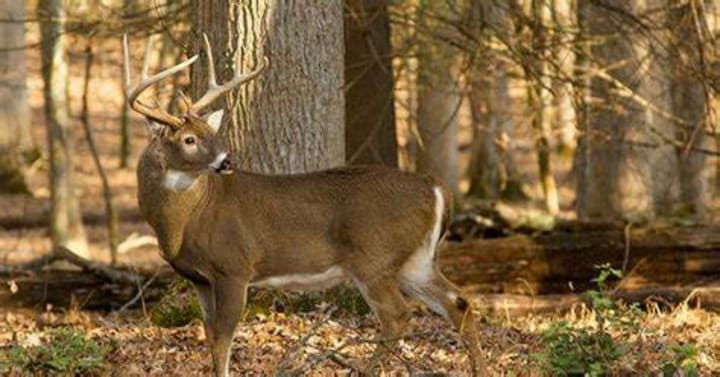
White-Tailed Deer can be found all through North Carolina and you might get a glimpse of some driving through the mountians, These deer are herbivores and have reddish-brown coats that turn grey or brown in the colder months.

Eastern Elk were reintroduced to the area in the early 2000s. There are about 200 elk now making their homes in North Carolina. Most likely you can spot some in Haywood, Jackson, or Swain counties and the Great Smokey Mountain National Park.
River Otters and Beavers
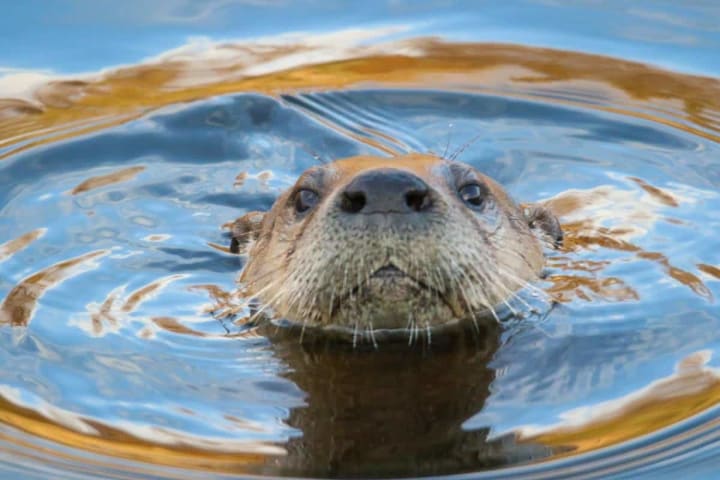
On a trip along a river you might see some river otters. Otters make burrows near the river's edge so they can catch fish and other water creatures for food.

North Carolina beavers love to gnaw down trees, swim underwater, and build dams and lodges. They have a layer of fat underneath their thick, water-repelant fur and they can withstand very cold water temperatures. Mostly they're active during the night.
Bobcats and Coyotes
Both bobcats and coyotes are carnivorous but coyotes will eat berries, fruits and any other food scraps.

Bobcats have reddish brown fur and short tails and they're about twice as bit as domestic cats.

Coyotes are like medium-sized dogs and have dark grey fur.
Small Mammals

Among the small mammals you might see in North Carolina are skunks, squirrels, chipmunks, cottontail rabbits, groundhogs, and red and grey foxes. They make their homes in forested areas and at times groundhogs can be seen on highway medians.

At nighttime you might catch a glimpse of nocturnal wildlife like raccoons and Virginia opossums. They might come raiding your trash cans.
Birds
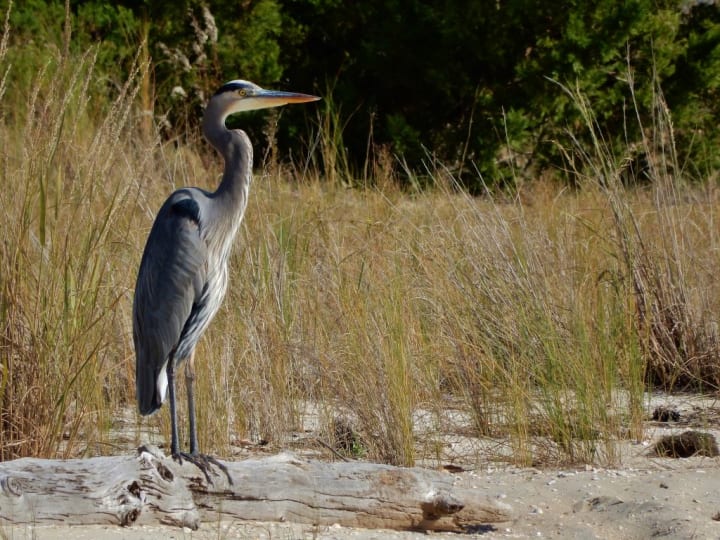
You are likely to see many birds from all over the country when its migration time in North Carolina. Among waterfowl there are wood ducks and mallards or wading birds such as the great blue heron.
Songbirds like the eastern bluebird and mourning dove can be heard singing in the treetops. In Black Mountain you might here the call of the eastern screech owl.

Along the Blue Ridge Parkway you can spot wild turkeys and turkey vultures.

Among birds of prey are the red-tailed hawk, peregrine falcon, bald eagel and many different kinds of owls.
Fish
The Blue Ridge Mountains are a popular destination for those who love to fish. Native varieties of fish include multiple types of bass, catfish, sunfish, crappie, perch, and trout.
In cold, clear mountain streams you might see brook trout. These fish are olive gree with yellow spots. You might also see rainbow trout and brown trout.
Amphibians and Reptiles
Making their home in North Carolina are more than 65 types of salamander. In forests you might spot them in damp areas beneath leaves or logs. On hikes you might see the brightly orange colored newt on the forest floor.
Snakes are common in the mountains and you might encounter some non-venomous ones. However you do have to watch out for the venomous copperheads and rattlesnakes.

When visiting North Carolina stop by the WNC Nature Center where you can see 60 species of wildlife that lived in the Southern Appalachian Mountains. There are black bears, bobcats, barn owls, grey foxes, a cougar and some playful otters.
Wildlife of North Dakota

The US state of North Dakota is a Mid-western state bordering South Dakota, Minnesota, and Montana. It is one of the least populous states in the US. The state has three main geographic regions – the Red River Valley in the eastern part with rich farmland, the drift prarie at high elevation and has plenty of grassland, and the Missouri Plateau in the western part which is mountainous and borders Montana.
Official State Bird
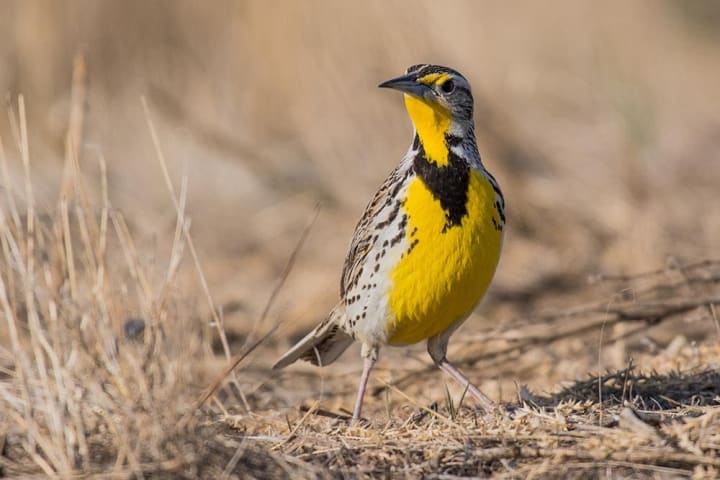
Western Meadowlark
Honorary State Equine
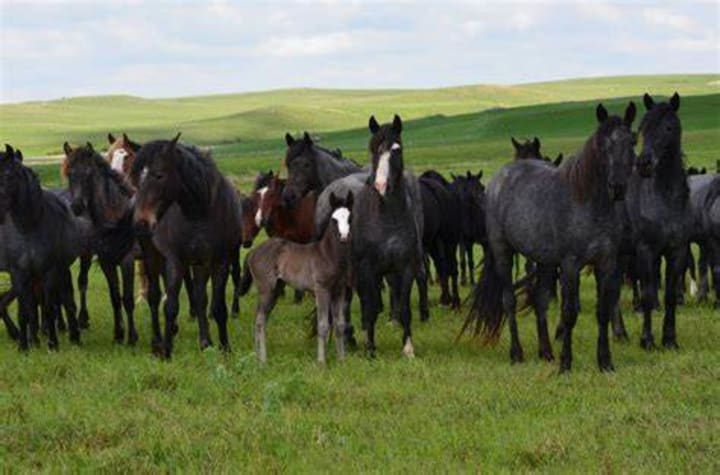
The Nokota Horse
There are prairies, wetlands, rivers, floodplains, forests and dry stretches of land that are known as the Badlands. Among the wild animals that roam the state are moose and bison often crossing roads.
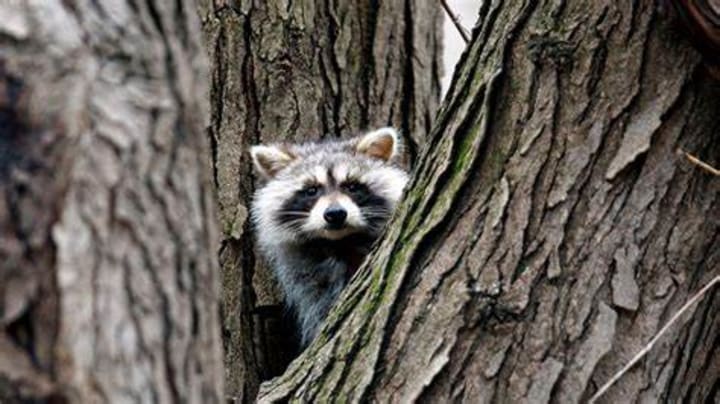
Making their home in the grasslands and forests are white-tailed deer, ferrets, beavers, and raccoons.
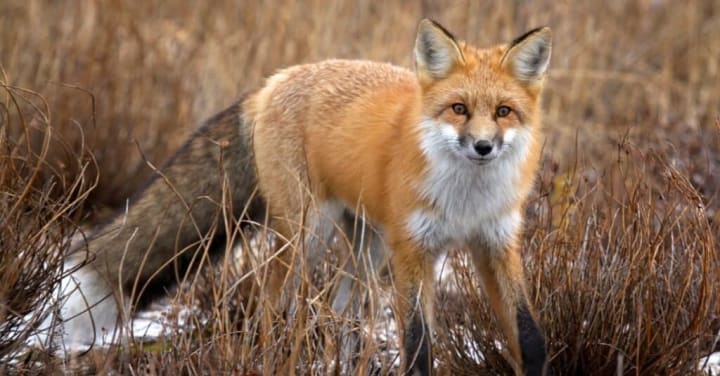
The chief predators include the red fox, mountain lion, and swift fox.

North Dakota is an important breeding ground for many waterflowl. With its many large lakes and wetlands there are shorebirds like the long-billed curlew, marbled godwit, and piping plover.

Bison are most active in the early morning near sunrise and can be found where there are plenty of new grass shoots.

Moose are most active at dawn and dusk. They prefer the prairies where forested river bottoms and rows of trees offer cover.

Elk are huge animals averaging 700 pounds for bulls and 500 pounds for cows, They are the second largest member of the deer family. Most are active dawn and dusk. They can be seen across the Little Missouri National Grasslands, Killdeer Mountain area, and in Cavalier County in northeastern North Dakota.
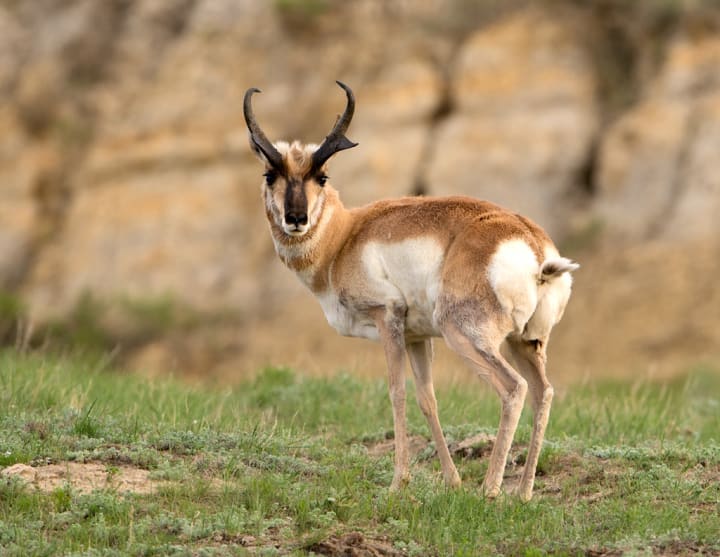
Pronghorn can reach speeds of over 40 miles per hour and are the fastest mammals in North America. They are active at dawn and dusk and can be seen eating out in the open all through the day. Their primary range is the extreme southwestern part of the state.
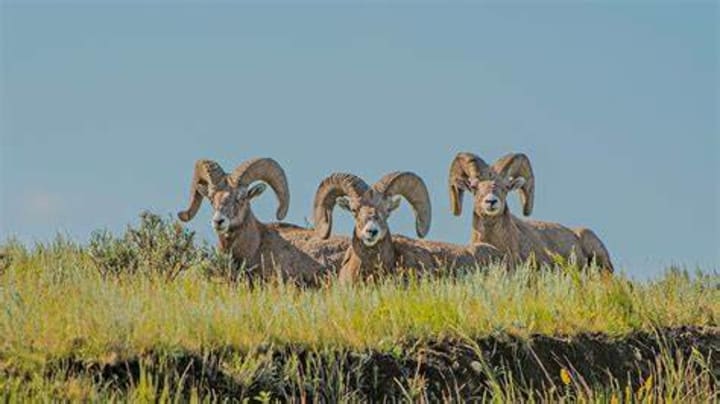
Bighorn sheep are the rarest big game species in North Dakota. They can be found only in steep badlands terrain along the Little Missouri River and mostly around the North Unit of the Theodore Roosevelt National Park. They are active during the day while foraging.

Bald eagles have become more abundant in North Dakota. Adult birds have white heads and tails with with dark brown bodies and wings/ They're migratory birds and can be seen here in the summer months/ Eagles are protected under the Bald and Golden Eagle
Endangered Species
Townsend’s big-eared bat
American white pelican
Piping plover
Swift fox
Eastern spotted skunk
River otter
Dakota skipper, a native butterfly
Merriam’s shrew
About the Creator
Rasma Raisters
My passions are writing and creating poetry. I write for several sites online and have four themed blogs on Wordpress. Please follow me on Twitter.
Keep reading
More stories from Rasma Raisters and writers in Earth and other communities.
Ships Of the Desert
Ships of the desert are a good way to describe camels. They're always expected to carry a big load across the desert. Dromedary camels carry over two hundred kilograms on their backs and can walk four kilometers per hour through the hot desert. Another reason camels are preferred on long desert journeys is that they can go three weeks without needing water to drink.
By Rasma Raistersabout a year ago in Earth
Four Attacks in 48 Hours: How East Australia’s Beaches Became a ‘Perfect Storm’ for Sharks
East Australia’s coastline has been rocked by four shark attacks in just 48 hours, sparking widespread concern among beachgoers, locals, and authorities alike. While no fatalities were reported in some of these incidents, the frequency and severity of the attacks have left residents and tourists questioning why once-popular swimming spots suddenly became dangerous.
By Muhammad Hassan2 days ago in Earth
Europe Amniotic Membrane Market Size & Forecast 2025–2033
Europe Amniotic Membrane Market Outlook The Europe Amniotic Membrane Market is undergoing a significant transformation as regenerative medicine gains momentum across clinical disciplines. According to Renub Research, the market is projected to grow from US$ 788.42 million in 2024 to US$ 1,892.79 million by 2033, expanding at a CAGR of 10.22% during 2025–2033.
By jaiklin Fanandish7 days ago in Earth



Comments
There are no comments for this story
Be the first to respond and start the conversation.