
"Amazon: A Treasure Trove of Biodiversity and a Sanctuary for Species"
"Protecting the Lungs of the Earth and the Life It Sustains"


Introduction: The Lungs of the Earth and Life’s Greatest Sanctuary
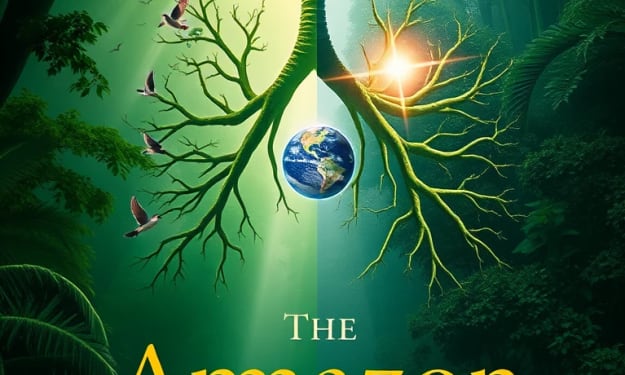
Spanning over 5.5 million square kilometers across nine South American countries, the Amazon Rainforest is an extraordinary ecosystem that has long been known as the “lungs of the Earth.” This vast forest absorbs around 2 billion tons of carbon dioxide annually and produces approximately 20% of the world’s oxygen, playing an irreplaceable role in global climate regulation. However, the Amazon is much more than a vital carbon sink; it is a biodiversity hotspot unmatched anywhere else on Earth.
Home to an estimated 10% of all known species, the Amazon’s lush canopy, winding rivers, and dense understory form a complex network of life — a living treasure trove of biological wealth. This immense natural sanctuary shelters countless animals, plants, and microorganisms, many of which are found nowhere else on the planet. As environmental pressures mount from deforestation, climate change, and human encroachment, the Amazon’s survival is critical not only for South America but for the entire globe.

In this article, we will explore the unmatched biodiversity of the Amazon, its vital role as a sanctuary for endangered species, the grave threats it faces, and the conservation efforts needed to preserve this natural wonder for generations to come.
Section 1: Unmatched Biodiversity of the Amazon
The Amazon Rainforest is often called the richest ecosystem in the world — and for good reason. The sheer variety of life here is staggering. To date, scientists have cataloged:
Over 40,000 plant species
Approximately 1,300 bird species
Around 430 mammal species
Over 1,000 amphibian species
Nearly 3,000 species of fish

Millions of insect species, many still undiscovered
These figures only scratch the surface of Amazon Rainforest biodiversity, which continues to reveal new species every year. The dense canopy of towering trees shelters a myriad of life forms, from vibrant orchids to elusive primates.
Rare and Endemic Species
The Amazon is home to some of the planet’s most unique and endangered species, whose survival depends entirely on the integrity of this habitat.

Amazon River Dolphin (Inia geoffrensis): This freshwater dolphin, famous for its pink hue, navigates the forest’s vast waterways. It is a flagship species representing the delicate aquatic ecosystems within the rainforest.
Golden Lion Tamarin: Once on the brink of extinction, this striking primate with its shimmering orange coat has made a slow comeback thanks to conservation efforts but remains vulnerable.
Harpy Eagle: As one of the largest and most powerful birds of prey globally, the Harpy Eagle is an apex predator essential to maintaining balance in the food web.
Glass Frog: Known for its translucent skin that reveals internal organs, the Glass Frog exemplifies the Amazon’s wonder and fragility.

Jaguar: The largest feline in the Americas, the jaguar plays a crucial role as a top predator, helping regulate prey populations and maintain ecosystem health.
These species and countless others rely on intact forests, clean rivers, and healthy ecosystems. The loss of any could lead to a cascade of ecological disruptions, showing how vital the Amazon ecosystem is for sustaining life.

Section 2: The Amazon as a Critical Sanctuary
Climate Regulation and Carbon Storage
The Amazon’s influence extends far beyond its borders. Acting as a massive carbon sink, the rainforest absorbs vast quantities of carbon dioxide from the atmosphere — a natural buffer against climate change. The trees store carbon in their biomass, while the forest’s soil acts as an additional reservoir.
Moreover, the Amazon produces large amounts of moisture through transpiration, which contributes to regional and global rainfall patterns. This cycle helps sustain agriculture and water supplies across South America. The loss or degradation of the forest threatens these delicate climate dynamics, potentially triggering droughts and extreme weather events.
Refuge for Endangered Species
Many species have lost habitat worldwide due to deforestation and human expansion. The Amazon remains a refuge — a sanctuary where endangered animals and plants can survive and reproduce. Its complex, multi-layered habitats offer niches for species with specialized needs, from the canopy dwellers like the pygmy marmoset to the riverine caimans.
Indigenous peoples who inhabit the forest have also been stewards of biodiversity for millennia. Their traditional knowledge and sustainable land management practices contribute significantly to maintaining the Amazon as a thriving sanctuary. The protection of indigenous territories correlates strongly with better conservation outcomes.
Section 3: Threats to the Amazon Ecosystem
Despite its vastness and importance, the Amazon faces increasing threats that jeopardize its future.
Deforestation and Habitat Loss
The greatest immediate threat to the Amazon is deforestation, which occurs at an alarming rate. Driven by expanding agriculture (notably cattle ranching and soy farming), illegal logging, and infrastructure development, over 10,000 square kilometers of forest are lost annually. This destruction fragments habitats, isolates species populations, and reduces biodiversity.

As forests disappear, so do the unique species habitats vital to the survival of many Amazonian creatures. Deforestation also undermines the forest’s ability to store carbon, exacerbating climate change.
Illegal Mining and Pollution
Illegal gold mining in the Amazon introduces mercury and other pollutants into waterways, devastating aquatic life and contaminating fish, which local communities rely on for food. Mining scars the land, disrupting soil and water systems essential for forest regeneration.
Climate Change Effects
The Amazon is increasingly vulnerable to climate change. Rising temperatures and shifting rainfall patterns have made the forest more susceptible to wildfires, especially during prolonged dry seasons. Fires not only destroy large swaths of vegetation but also release stored carbon back into the atmosphere, further accelerating global warming.
Indigenous Communities Under Threat
Indigenous peoples, often the most effective protectors of the rainforest, face threats from land grabs, violence, and loss of resources. Their displacement or marginalization weakens the forest’s natural defense against exploitation.
Section 4: Conservation Efforts and Global Responsibility
Protecting the Amazon
Despite the daunting challenges, multiple conservation efforts are underway to safeguard the Amazon’s future.
REDD+ (Reducing Emissions from Deforestation and Forest Degradation): This international initiative provides financial incentives to countries and communities that protect forests and reduce carbon emissions.
Non-Governmental Organizations (NGOs): Groups like the Rainforest Alliance, Amazon Watch, and WWF engage in advocacy, research, and direct action to combat deforestation and support local communities.
Indigenous-Led Conservation: Indigenous organizations such as COICA play a vital role in advocating for land rights and sustainable management of their territories.
What Can We Do?
The protection of the Amazon requires global cooperation and personal commitment:
Governments should strengthen laws to combat illegal deforestation, promote sustainable land use, and support indigenous rights.
Consumers can help by choosing sustainable products, reducing meat consumption (especially beef linked to deforestation), and avoiding goods linked to illegal logging or mining.
Individuals and organizations can support conservation groups through donations, volunteering, and raising awareness.
Educators and media must continue to highlight the importance of rainforest protection to inspire action.
Conclusion: Preserving the Amazon, Preserving Our Future
The Amazon Rainforest is an irreplaceable natural treasure — a complex web of life that sustains the planet’s climate, houses millions of species, and nurtures ancient human cultures. It is a treasure trove of biodiversity and a sanctuary for endangered species that we must cherish and protect.
Every tree felled, every species lost, and every hectare degraded chips away at this fragile sanctuary’s ability to function. The consequences will be felt not just in South America but worldwide. However, through concerted global efforts, respect for indigenous stewardship, and individual choices, we can still secure a future where the Amazon continues to thrive.
“In the end, we will conserve only what we love; we will love only what we understand; and we will understand only what we are taught.”
— Baba Dioum
Let us understand the Amazon, love its wild beauty, and protect it fiercely — because our future depends on it.
About the Creator
Shamshair Khan Hasan Zai
I share content on health, business, travel, motivation, and simple ways to earn money—focused on hope growth, and practical advice to help you live a better, more successful life.
Keep reading
More stories from Shamshair Khan Hasan Zai and writers in Earth and other communities.
"The Amazon Rainforest: Earth’s Lungs and Guardian of Climate Balance"
Introduction: The Breath of Our Planet Often referred to as “the lungs of the Earth,” the Amazon Rainforest plays a vital role in maintaining our planet’s climate balance. Covering more than 5.5 million square kilometers across nine South American countries, the Amazon is more than just a vast green canopy—it’s a living system that sustains biodiversity, regulates atmospheric carbon, and safeguards global climate stability.
By Shamshair Khan Hasan Zai8 months ago in Earth
Stock Market Today: Nasdaq Futures Rise; Oil Skids After Trump Dials Down Iran Tension
If you’ve been following the markets this week, you’ve probably noticed how sensitive traders are to geopolitical headlines. On Thursday, Nasdaq futures rose, while oil prices dropped after U.S. President Donald Trump made remarks that dialed down fears of immediate military escalation with Iran. It’s a classic example of how news can move multiple markets at once — tech stocks climbing while commodities react in the opposite direction. Nasdaq Futures Bounce Back Technology and growth-focused stocks led the recovery in futures trading. Nasdaq futures climbed, signaling that investors are regaining confidence after recent volatility. Many traders have been cautious, with some taking profits from high-flying tech names, but today’s rebound shows that market optimism is returning. Corporate earnings are a big factor here. Several tech giants, including semiconductor and software companies, have beaten analyst expectations in recent weeks. These results support longer-term growth narratives, giving investors confidence that the tech sector can continue to outperform even amid economic uncertainty. For anyone watching the markets, this is a reminder: futures are forward-looking indicators. When traders see signs of stabilization — like reduced geopolitical tension or strong earnings — markets often react positively before the official trading session even begins. Oil Prices Fall Amid Eased Tensions On the flip side, oil prices skidded. The energy market had been pricing in potential supply disruptions due to the tension with Iran, particularly in critical regions like the Strait of Hormuz. But after Trump’s comments, traders interpreted a lower risk of military conflict, and crude futures dropped sharply. West Texas Intermediate (WTI) and Brent crude both saw declines of around 4–5%, as investors adjusted their positions. This shows how geopolitical risk premiums can inflate commodity prices — and how quickly they can disappear once the perceived threat diminishes. Lower oil prices are a double-edged sword. On one hand, cheaper fuel eases costs for consumers and businesses. On the other, energy companies and oil-exporting nations may face pressure on revenue and profits if prices remain soft. Why Geopolitics Moves Markets The Middle East continues to be a major driver of global market sentiment. Even the possibility of conflict in oil-rich regions can make investors nervous, sending equities lower and commodities higher. Conversely, statements that calm these fears can produce quick rebounds in risk assets like stocks and a decline in commodities like oil. This week’s developments show just how reactive the markets have become. A single remark from a world leader — in this case, Trump — can shift risk perception and trigger immediate moves across multiple asset classes. Earnings and Economic Data Still Key While geopolitical headlines dominate daily moves, corporate earnings and economic data remain critical for long-term market trends. Financial giants like Morgan Stanley recently reported results that beat expectations, boosting their stock prices and reinforcing positive sentiment in the sector. Investors are paying close attention to these fundamentals. Earnings reports and macroeconomic indicators provide insight into underlying trends, helping traders separate short-term volatility from sustainable growth. What Investors Should Watch For stock investors: The rebound in Nasdaq futures suggests that growth and technology stocks are finding support, but volatility is still high. Active risk management and portfolio diversification remain essential. For energy markets: Today’s slump in oil prices highlights how commodities react to geopolitical sentiment. Traders should watch for developments in the Middle East, as any escalation could reverse the decline in prices almost immediately. For global markets overall: Investors must balance multiple narratives — geopolitical events, corporate earnings, economic data, and interest rate expectations. This interplay shapes risk appetite and influences how capital flows across sectors and regions. The Takeaway Today’s market action illustrates a broader theme: markets are highly sensitive to shifts in risk perception. When geopolitical tension eases, equities tend to rise, and risk-sensitive commodities like oil fall. But when threats reappear, sentiment can flip, reminding investors that global markets are dynamic and interconnected. This combination of Nasdaq gains and falling oil prices isn’t just about numbers — it’s about investor psychology, risk management, and the speed at which news travels in our global economy. The lesson is clear: staying informed and flexible is more important than ever for anyone participating in today’s markets.
By Muhammad Hassan3 days ago in Earth
Cement's Quiet Pivot
Why this is under-the-radar progress Cement and concrete account for a sizable slice of global CO₂, but the fastest cuts right now aren’t headline-grabbing moonshots — they’re practical shifts already filtering through specifications, standards, and procurement. Three forces are converging: (1) modern cement standards that enable big clinker reductions with reliable performance; (2) rapid market adoption of Portland-limestone cement (PLC) and new ternary blends such as limestone–calcined clay cements (LC3); and (3) public buyers setting embodied-carbon requirements that move the market. Together, these are driving real-world emission declines from the most-used construction material on earth — often without changing how structures are designed or built [8].
By Futoshi Tachino7 days ago in Earth


Comments
There are no comments for this story
Be the first to respond and start the conversation.