
Amazing Animals Tunisia
Wildife in Northern Africa


Tunisia is a small North African country, situated between Algeria to the west, Libya to the east, and the Mediterranean Sea to the north. Historically it was the seat of the Carthaginian Empire, still remembered today for its rivalry with Rome. The coast of Tunisia has a mild Mediterranean climate and rich farmland, while the interior is mostly comprised of dry deserts and hills. One of the longest ranges is the Tunisian Dorsal or High Tell. It’s comprised of low rolling hills that extend from the Saharan Atlas mountains of Algeria. The country is also rich in wetlands and forests.
Official National Animal
Dromedary one-humped camel
Tunisia has 17 unique national parks to protect its natural wildlife, amongst them are two that are listed as UNESCO World Heritage Sites.
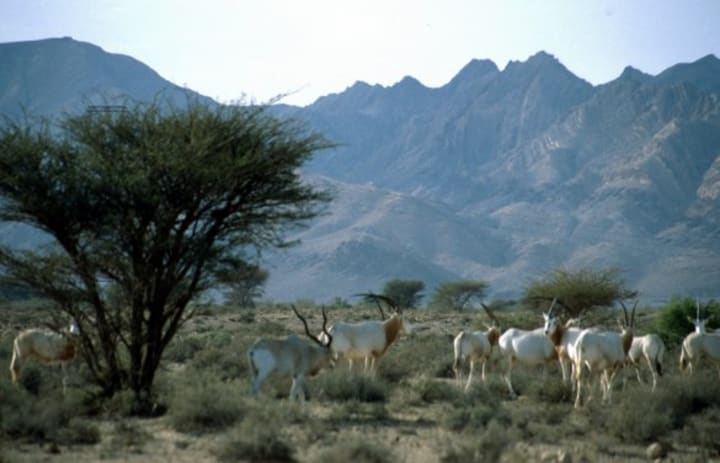
Boukomine National Park is a short distance from the capital of Tunisia, Tunis. The park has Aleppo cedar and pine forests at the foothills of the Jebel Boukomine.
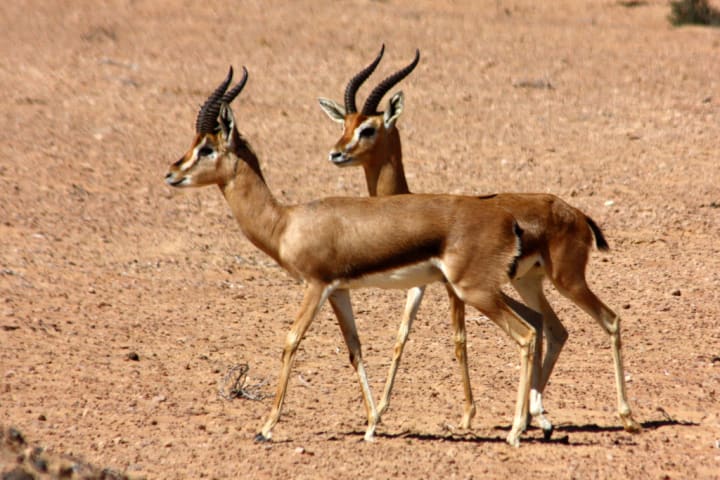
Here you can find mountain gazelles and Ethruscan shrews, the smallest mammals in the world.
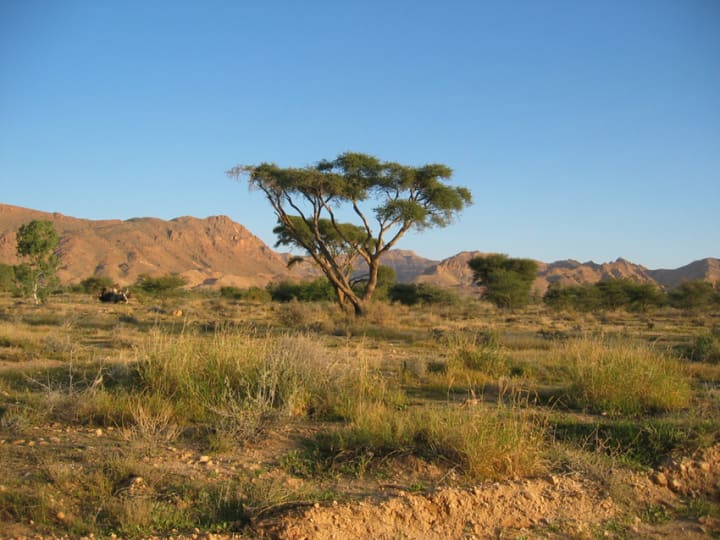
Chambi National Park is located in the western Kasserine governorate The park is a UNESCO Biosphere Reserve surrounded by the country’s highest peak, Mount Chambi.
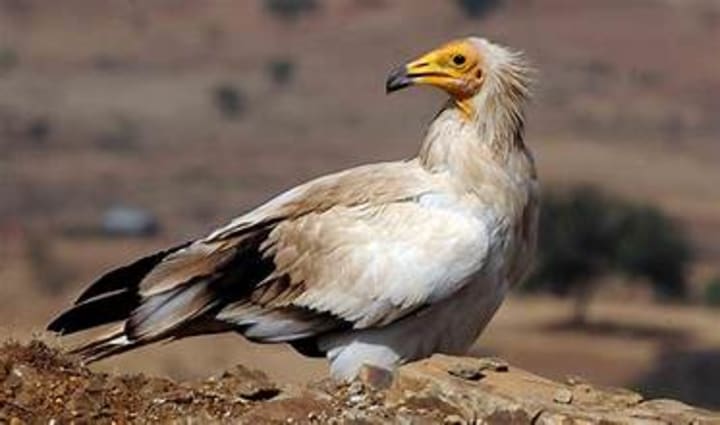
Here one can find Barbary sheep, Cuvier’s gazelle, Egyptian vultures, peregrine falcons, Tunisian crossbills, Bonelli’s eagles, and many reptiles and snakes.
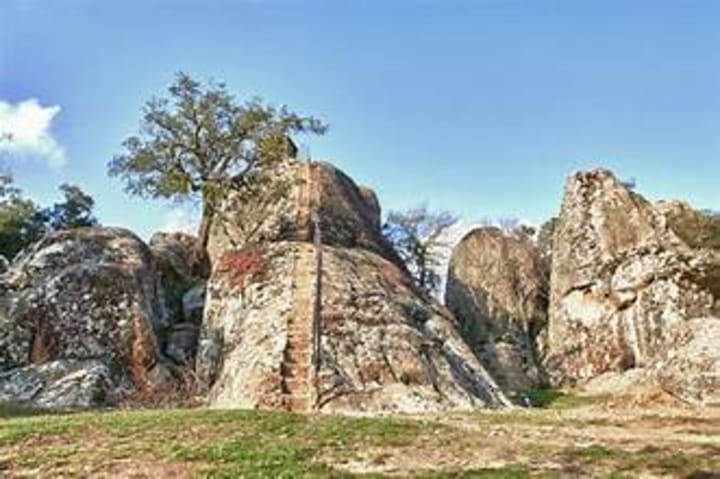
El Feijda National Park is located in the northwest governorate of Jendouba. The park consists of forests, mountains, natural springs, and lakes.
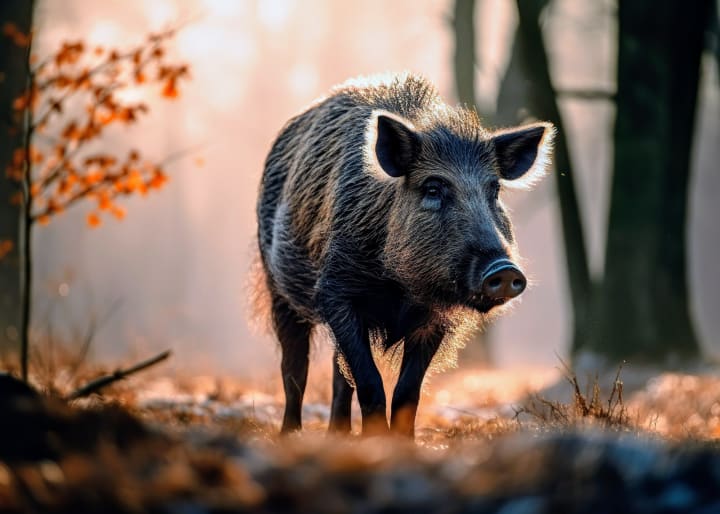
Visitors might be able to find Barbary stags, Barbary boars, African golden wolves, and other mammals here.
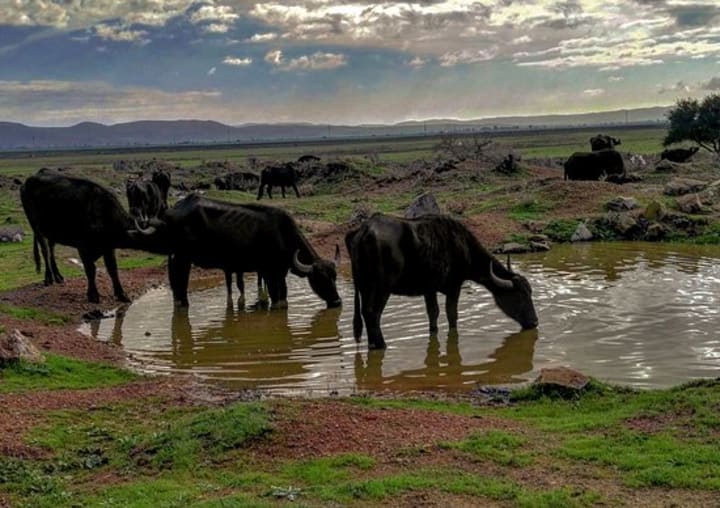
Ichkeul National Park was named after the nearby lake and is located just outside the city of Bizerte, near the northernmost point in all of Africa. This wetland area was named a UNESCO World Heritage Site for its importance as a winter bird sanctuary.
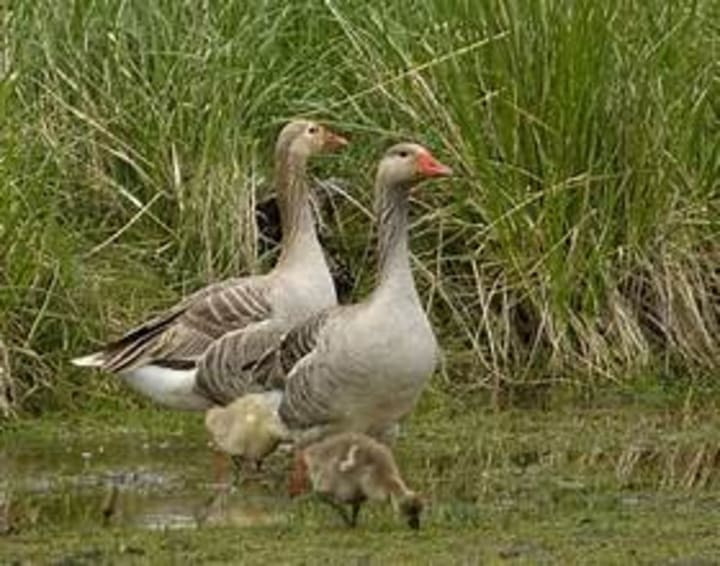
Among the most interesting birds here are the graylag geese, coots, and wigeons.
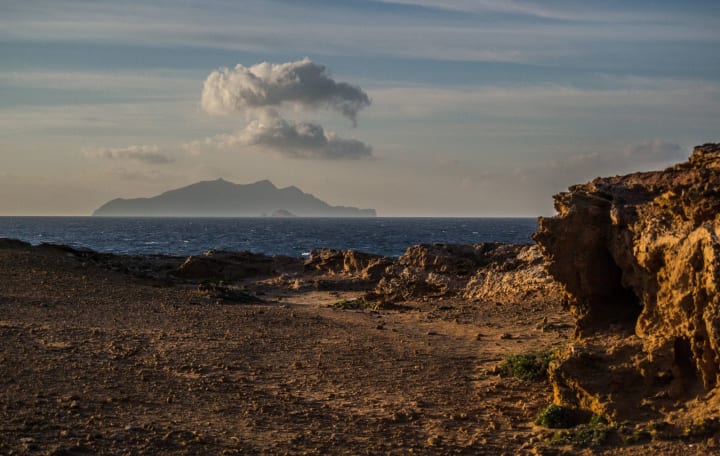
Zembra and Zembretta National Park encompass two Mediterranean islands located in the Gulf of Tunisia.

Officially declared an important UNESCO Biosphere Reserve in 1977, the park hosts thousands of migrating birds every year, including the threatened Mediterranean shearwater.
Native Animals
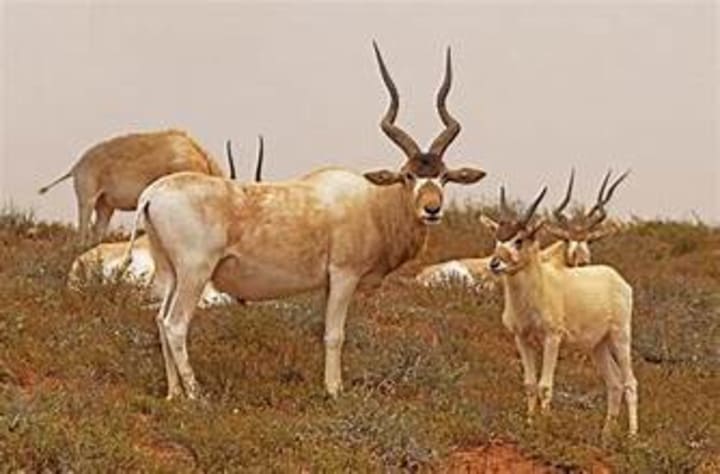
Addaxes are also known as screwhorn antelopes. These are a species of antelopes found in Tunisia. This antelope has been reintroduced to Tunisia (in Bou-Hedma National Park and Jebil National Park) and Morocco after being extirpated, and it is legally protected in the country.
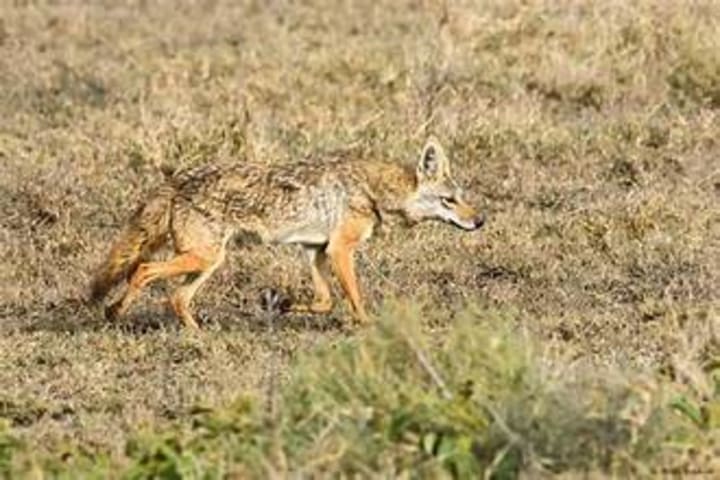
African wolves are also known as the African golden wolves. They are a species of canine native to North and West Africa, northern East Africa, the Horn of Africa, and the Sahel. They're carnivorous predators which feed on invertebrates and mammals as big as gazelle fawns. This wolf plays a very important role in all of the North African cultures, where it is seen as untrustworthy.
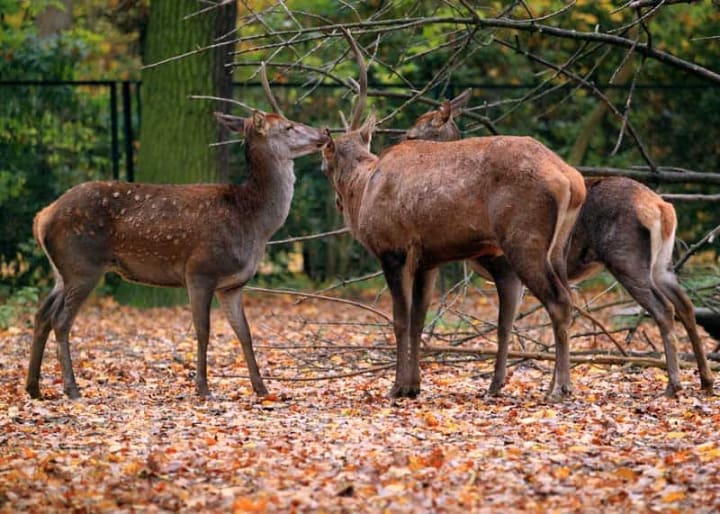
Barbary stags are also known as African elks or Atlas deer. They are is a subspecies of red deer native to North Africa. It is the only surviving deer native to the continent, the other one having disappeared about 6,000 years ago. These deer inhabit the dense, humid forests of Tunisia, Morocco, and Algeria.
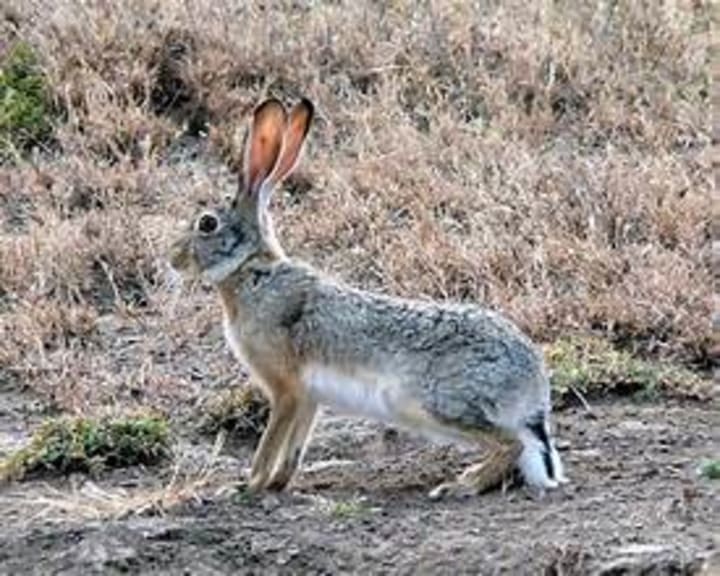
Cape hares are also referred to as desert hares. They are a species of hares native to Arabia and Africa, and as far as India. These hares have white rings around their eyes. They make their homes in grasslands, bushveld, deserts, and semi-desert areas. Cape hatres are nocturnal herbivores that feed on shrubs and grasses. They run incredibly fast, and can only be outsped by one of its natural predators, the cheetah.
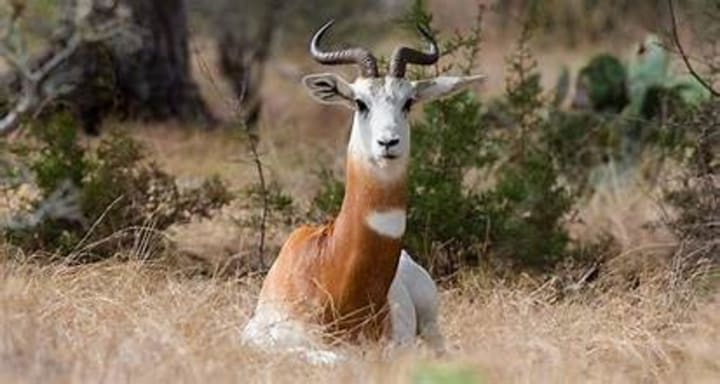
Dama gazelles are also known as mohoor gazelles and are a critically endangered species of gazelles native to the Sahel and the Sahara Desert in Africa. They inhabit the grasslands, mountain plateaus, and semi-deserts of Tunisia.
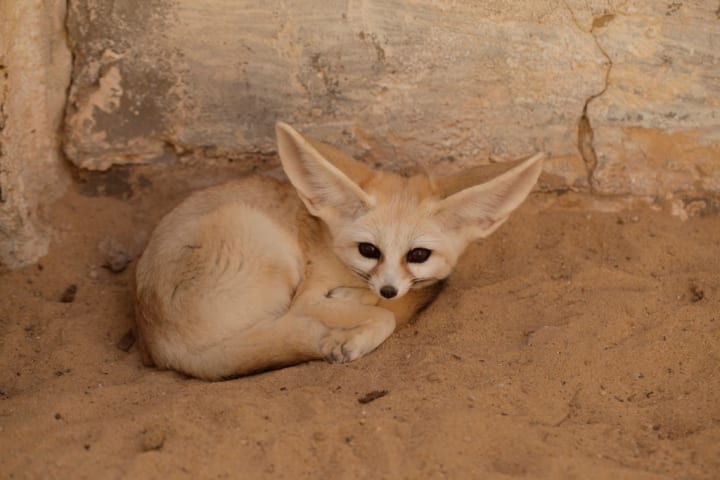
Fennec foxes are a small species of foxes that are native to the deserts of Northern Africa. They have large ears used for thermoregulation in one of the most extreme environments of the planet: the Sahara Desert. These foxes find prey by listening to their movement. They can survive very hot temperatures with little water and primarily feed on small mammals, birds, and insects.
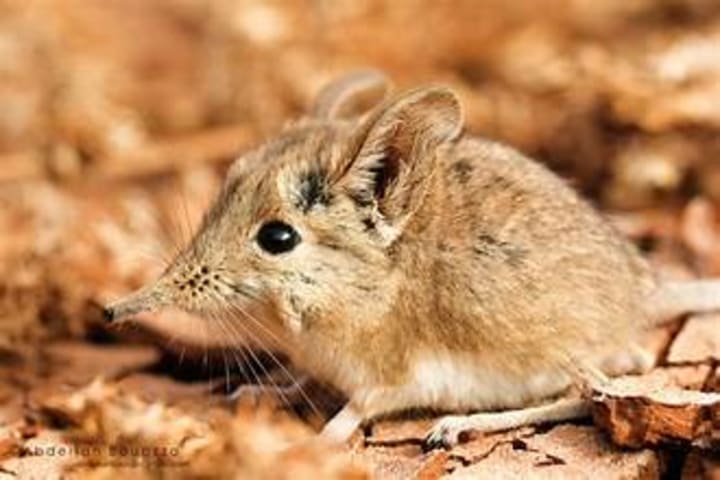
North African elephant shrews are also known as North African sengis. They are a species of rodents native to Tunisia, Libya, Algeria, and Morocco as well. They inhabit the deserts and Mediterranean-type shrubby vegetated lands of Tunisia. They can be recognized by their lon, flexible snouts.

North African hedgehogs are also known as the Algerian hedgehogs. They are a species of mammals native to Tunisia, Spain, Morocco, Libya, Algeria, and Malta. These hedgehogs inhabit the Mediterranean conifer areas of Tunisia.
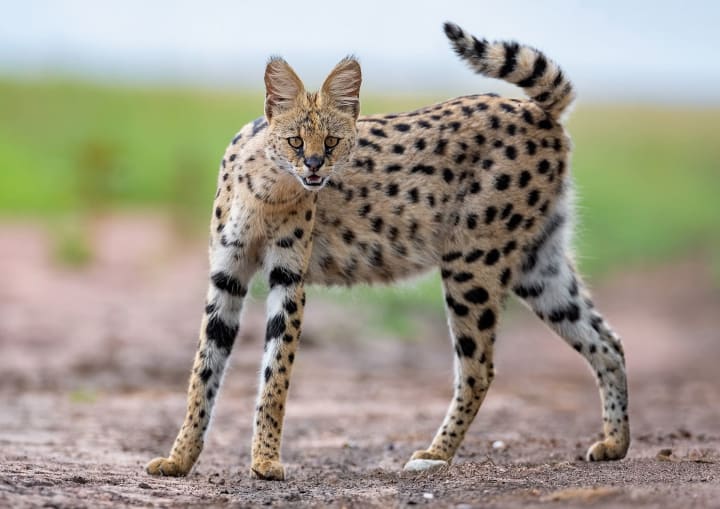
Servals are a medium-sized species of wild cats that are native to Africa.
Birds

Tawny eagles are a large species of birds of prey native to North Africa, sub-Saharan Africa, the south-westernmost parts of the Arabian Peninsula, and the Indian subcontinent. They are a part of the booted eagles family and inhabit the semi-deserts, savanna plains, and desert steppes of Tunisia. These birds mostly feed on carrion.

Griffon vultures are also referred to as Eurasian griffons. They are a large species of Old World vultures that are native to southwestern Europe, northwestern Africa, the Arabian Peninsula, northeastern Africa, the Middle East, and southwestern Asia. Griffon vultures are scaventers feeding on carrion.
Marine Animals
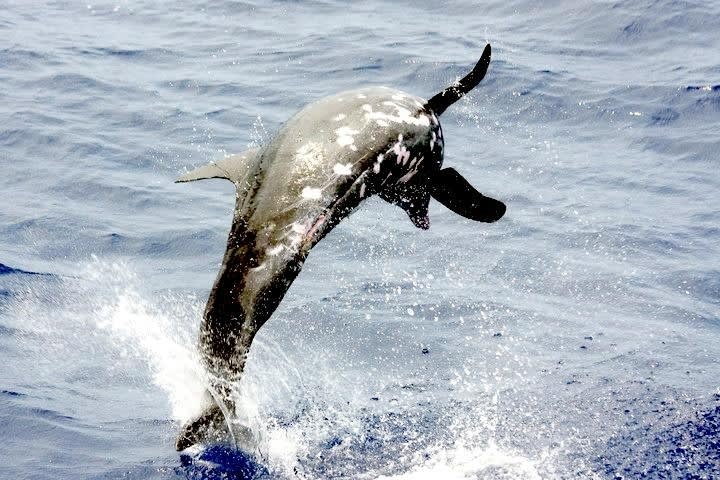
Rough-toothed dolphins can be found along the Mediterranean coast. They enjoy deep tropical and warm waters. These dolphins are social and gather in groupd os 10 to 20.

There are also bottle-nosed dolphins.

Along the coast you can sport Loggerhead sea turtles.
About the Creator
Rasma Raisters
My passions are writing and creating poetry. I write for several sites online and have four themed blogs on Wordpress. Please follow me on Twitter.
Keep reading
More stories from Rasma Raisters and writers in Earth and other communities.
The Dark Side of the Garden
Aokigahara Forest is located at the base of Mount Fuji in Japan. It is a beautiful place to visit but over the dense woods an eerie silence hangs. While walking the paths here many visitors have had a sense of unease perhaps spirits following them.
By Rasma Raisters7 months ago in Earth
Global Dishwasher Market Size and Forecast 2025–2033: Smart Kitchens Drive a Quiet Revolution
Introduction: From Luxury to Everyday Essential Once seen as a luxury appliance reserved for high-income households, the dishwasher has now become a symbol of modern living and convenience. As global lifestyles grow increasingly fast-paced, consumers are prioritizing time-saving, hygienic, and energy-efficient solutions in their homes. The dishwasher, long underestimated in many regions, is now undergoing a global transformation—moving from optional convenience to kitchen necessity.
By Sushant. Renub Research5 days ago in Earth
US Braces for Record-Breaking Winter Storm as Snow and Ice Threaten Multiple States
As winter takes hold of the United States, residents across several states are preparing for what could be one of the most powerful winter storms the country has faced in recent years. The storm, which is expected to bring a combination of heavy snow, freezing rain, and ice, is already being called a potential record-breaker. The storm threatens to disrupt travel, power, and daily life in multiple states, and meteorologists are warning that the severity of the conditions could cause significant damage. In this article, we’ll explore the details of the incoming winter storm, the states most affected, and how citizens and authorities are preparing for the extreme weather conditions. The Perfect Storm: What’s Coming? Meteorologists have described this upcoming winter storm as a "once-in-a-decade" event due to the intensity and the wide geographical reach it’s expected to have. The storm is expected to develop as a low-pressure system moves across the Midwest and toward the Northeast, bringing a combination of snow, sleet, and freezing rain. The heavy snow is likely to be the most significant threat in the central United States, while the ice and freezing rain will affect areas farther south and east. While the storm's track and intensity are still being monitored, forecasts suggest that it will be more impactful than typical winter weather events, with up to a foot or more of snow expected in certain regions. Freezing rain will be the most dangerous aspect of the storm, creating slick roads, downed trees, and widespread power outages. The threat of ice will also make travel extremely hazardous, especially for those who may be caught on the road during the storm’s peak. States at Risk: Who Will Be Affected? This winter storm is expected to hit a wide range of states, with the most dangerous conditions impacting parts of the Midwest, Northeast, and Southern US. The storm will likely bring dangerous conditions to major metropolitan areas, including Chicago, St. Louis, Indianapolis, Washington D.C., and New York City. 1. Midwest and Central US The Midwest is expected to bear the brunt of the snow, with Chicago, Detroit, and parts of Minnesota, Iowa, and Wisconsin seeing the heaviest accumulation. Some areas could receive 12–18 inches of snow, potentially making roads impassable and creating dangerous driving conditions. In addition to the snow, areas like St. Louis and Kansas City will be at risk for freezing rain and ice, making conditions even more treacherous. 2. Southern US Southern states, including Arkansas, Tennessee, and North Carolina, will experience the most significant threat from freezing rain. The ice accumulation could be enough to cause power outages and damage to infrastructure. Memphis and Little Rock could be hit particularly hard, with warnings in place for slick roads and dangerous driving conditions. 3. Northeast As the storm moves east, it is expected to reach the Northeast, where states like New York, Pennsylvania, and New Jersey will see a mix of snow and freezing rain. While the snow will likely be less intense than in the Midwest, the ice storm could still pose significant threats to transportation and utilities. Major cities like New York City could experience delays in both air travel and public transportation as freezing rain accumulates on roadways and rail lines. 4. Northeast Coastal Areas In coastal areas, particularly Boston and parts of Maine, snow will mix with rain, creating slushy conditions. Coastal flooding due to the storm surge will also be a concern, although the immediate threat from snow and ice will be the primary focus. The Dangers: More Than Just Snow While the snowfall from this storm will be significant, the biggest concern for many areas is the freezing rain and ice accumulation. Unlike snow, which can accumulate and be cleared relatively easily, ice presents a far greater challenge. 1. Power Outages One of the most dangerous aspects of this storm is the potential for widespread power outages. Ice accumulation on trees and power lines can cause branches to snap, leading to downed power lines and interruptions in service. Areas like Tennessee and Arkansas, where ice is expected to accumulate the most, are particularly vulnerable. Thousands of homes and businesses could be left without electricity for hours or even days, depending on the severity of the ice storm. 2. Travel Disruptions The ice and snow will also create hazardous driving conditions, leading to delays and road closures. Authorities are warning that highways and secondary roads could become impassable due to the accumulation of ice, snow, and sleet. Travelers in affected areas are urged to avoid non-essential trips and to stay off the roads unless absolutely necessary. Air travel will also be disrupted, with delays and cancellations expected at major airports in cities like Chicago, St. Louis, and New York. 3. Flooding Risks The freezing rain could also lead to flooding in some areas. As temperatures rise slightly, any accumulated snow or ice could melt, overwhelming local drainage systems and leading to flash flooding. This is particularly a concern for areas in the Northeast, where the storm is expected to bring rain after the ice storm. Preparing for the Storm: What to Do As the storm approaches, residents in affected areas are urged to take precautionary measures to ensure their safety. Here are some tips for preparing for this record-breaking winter storm: Stock Up on Essentials: Ensure you have enough food, water, and other necessities to last through power outages. Non-perishable food and bottled water are key items to have on hand, along with batteries and flashlights. Prepare for Power Outages: Charge devices in advance and consider purchasing a generator if you live in an area that’s prone to outages. Keep blankets and warm clothing available in case the temperature drops in your home. Stay Off the Roads: If you don’t need to travel, stay home. If you must drive, make sure your vehicle is equipped with emergency supplies, such as a shovel, extra blankets, and sand or cat litter for traction. Monitor Weather Reports: Stay up-to-date on the storm’s progress and any emergency alerts in your area. Local authorities will issue weather warnings and road closures as the storm progresses. Conclusion: A Storm to Remember As the US braces for this record-breaking winter storm, the risks of snow, ice, and freezing rain pose significant threats to both public safety and infrastructure. While authorities are taking steps to prepare for the worst, it is important for individuals to stay informed and ready for whatever the storm may bring. The combination of snow, ice, and freezing rain could make this storm one for the history books, and how the country responds to this crisis will serve as a reminder of just how powerful and unpredictable winter weather can be.
By Muhammad Hassan4 days ago in Earth




Comments
There are no comments for this story
Be the first to respond and start the conversation.