
Agriculture: The Backbone of Civilization
Agriculture: The Backbone of Civilization
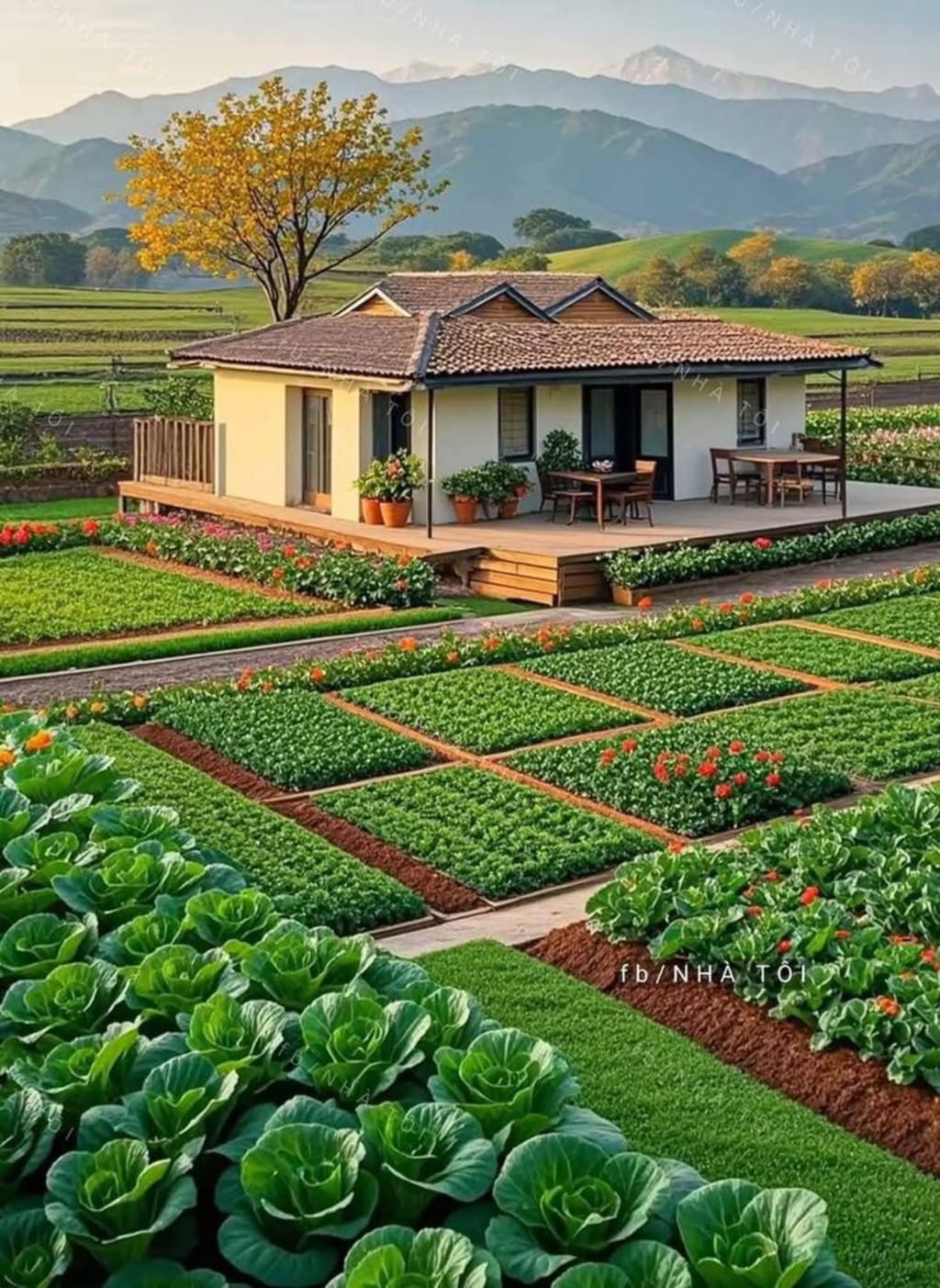
Introduction
Agriculture is one of the oldest and most essential human activities. It involves cultivating soil, growing crops, and raising animals for food, fiber, medicinal plants, and other products used to sustain and enhance life. Agriculture has played a crucial role in the development of human societies, enabling the shift from nomadic lifestyles to settled civilizations. Today, agriculture remains a vital sector, supporting economies, providing livelihoods, and ensuring food security worldwide.
History of Agriculture
The history of agriculture dates back to around 10,000 years ago when early humans began domesticating plants and animals. The first agricultural activities likely took place in the Fertile Crescent, a region in the Middle East that includes modern-day Iraq, Syria, and Turkey. The domestication of wheat, barley, peas, and lentils, along with livestock like goats, sheep, and cattle, marked the beginning of organized farming.
Ancient civilizations such as those in Mesopotamia, Egypt, the Indus Valley, and China developed sophisticated agricultural techniques, including irrigation systems, plowing, and crop rotation. Over time, agriculture spread across continents, adapting to various climates and geographical conditions. The Agricultural Revolution, which occurred between the 17th and 19th centuries, introduced mechanization and improved farming methods, increasing productivity.
Types of Agriculture
Agriculture is diverse and can be classified into various types based on farming methods, scale, and purpose.
1. Subsistence Agriculture
This type of farming is practiced by small-scale farmers who grow crops and raise livestock primarily for their own consumption. It is common in developing countries and relies on traditional methods, manual labor, and simple tools.
2. Commercial Agriculture
In commercial agriculture, crops and livestock are produced for sale in local and international markets. This type of farming often involves large-scale operations, advanced machinery, and modern techniques to maximize yields and profits.
3. Organic Agriculture
Organic farming focuses on sustainable practices, avoiding synthetic pesticides, fertilizers, and genetically modified organisms (GMOs). It promotes soil health, biodiversity, and environmentally friendly farming methods.
4. Industrial Agriculture
Industrial farming involves the use of high-tech equipment, chemical inputs, and intensive practices to produce food on a large scale. While it boosts productivity, concerns about environmental impact and food safety have led to calls for more sustainable approaches.
5. Mixed Farming
Mixed farming combines crop cultivation and livestock rearing on the same farm. This approach allows farmers to diversify income sources and improve soil fertility through natural waste recycling.
6. Plantation Agriculture
Plantation farming involves large-scale monoculture of crops like tea, coffee, rubber, and sugarcane, usually for export. It is common in tropical and subtropical regions and often relies on hired labor.
7. Horticulture
Horticulture focuses on the intensive cultivation of fruits, vegetables, flowers, and ornamental plants. It is crucial for food production, landscaping, and the pharmaceutical industry.
Importance of Agriculture
Agriculture plays a fundamental role in human society. Its significance extends beyond food production to economic development, environmental sustainability, and social stability.
1. Food Security
Agriculture ensures a stable food supply for the growing global population. Without farming, food scarcity would lead to hunger, malnutrition, and social unrest.
2. Economic Growth
Agriculture contributes significantly to the GDP of many countries. It provides employment opportunities, supports agribusiness, and fosters trade in agricultural commodities.
3. Rural Development
In many regions, agriculture is the primary source of livelihood for rural communities. Investments in farming infrastructure, education, and technology can improve living standards and reduce poverty.
4. Environmental Benefits
Sustainable agricultural practices help conserve natural resources, protect biodiversity, and reduce carbon emissions. Agroforestry, organic farming, and soil conservation techniques contribute to a healthier planet.
5. Raw Materials for Industries
Agriculture supplies raw materials for various industries, including textiles, pharmaceuticals, biofuels, and food processing. Cotton, rubber, sugar, and essential oils are just a few examples of agricultural products used in manufacturing.
Challenges in Agriculture
Despite its importance, agriculture faces several challenges that threaten its sustainability and productivity.
1. Climate Change
Global warming, unpredictable weather patterns, droughts, and floods have made farming more challenging. Rising temperatures and extreme weather events reduce crop yields and affect livestock health.
2. Soil Degradation
Overuse of chemical fertilizers, deforestation, and poor land management practices lead to soil erosion, loss of fertility, and desertification, reducing agricultural productivity.
3. Water Scarcity
Irrigation is essential for farming, but water resources are becoming scarce due to overuse, pollution, and climate change. Sustainable water management is critical for future food production.
4. Pest and Disease Outbreaks
Crop diseases and pests can destroy entire harvests, leading to food shortages and economic losses. Integrated pest management and disease-resistant crop varieties are essential solutions.
5. Market Fluctuations
Farmers often face unstable market prices due to factors like global trade policies, supply chain disruptions, and economic crises. Small-scale farmers are particularly vulnerable to price volatility.
6. Technological Gaps
While modern agricultural technology can improve yields, many farmers in developing countries lack access to advanced tools, knowledge, and financial resources to adopt new techniques.
Future of Agriculture
The future of agriculture depends on innovation, sustainability, and adaptation to changing global conditions.
1. Precision Farming
Precision agriculture uses technology like drones, GPS, and sensors to monitor crops, optimize irrigation, and reduce waste. This method enhances efficiency and minimizes environmental impact.
2. Vertical Farming
Vertical farming involves growing crops in stacked layers, often in urban settings, using hydroponic or aeroponic systems. It reduces land use, conserves water, and ensures year-round production.
3. Genetic Engineering
Advances in biotechnology allow scientists to develop genetically modified (GM) crops that are resistant to pests, diseases, and harsh climates. However, ethical and safety concerns remain a topic of debate.
4. Sustainable Agriculture
Future farming must prioritize sustainability by reducing chemical inputs, improving soil health, and promoting biodiversity. Agroecology, permaculture, and regenerative agriculture are gaining attention as eco-friendly alternatives.
5. Artificial Intelligence and Automation
AI-driven machines, smart irrigation systems, and robotic harvesters can revolutionize farming by reducing labor costs and increasing efficiency. Automation can help address labor shortages and improve productivity.
6. Climate-Resilient Crops
Scientists are developing crops that can withstand extreme weather conditions, such as drought-resistant wheat and flood-tolerant rice, to ensure food security in a changing climate.
Conclusion
Agriculture remains the foundation of human civilization, providing food, economic stability, and environmental benefits. However, it faces significant challenges that require innovative and sustainable solutions. By embracing new technologies, improving resource management, and supporting farmers worldwide, agriculture can continue to thrive and meet the needs of a growing global population. The future of agriculture depends on a balance between productivity, sustainability, and resilience, ensuring a stable and secure food system for generations to come.
About the Creator
Keep reading
More stories from Rajesh Kumar and writers in Earth and other communities.
The Art of Living: A Guide to a Balanced Lifestyle
The Art of Living: A Guide to a Balanced Lifestyle Introduction In today’s fast-paced world, achieving a balanced lifestyle is more important than ever. A good lifestyle encompasses physical well-being, mental peace, emotional stability, and social harmony. However, with the demands of work, family, and society, many people struggle to maintain a balanced life. This article explores the essential aspects of a healthy lifestyle and provides practical tips for living a fulfilling and happy life.
By Rajesh Kumar11 months ago in Art
Locked Exits, Panic, and Desperate Calls: Survivors Recount Mall Fire Horror
A tragic fire at a busy shopping mall has left the public in shock as survivors recount the harrowing moments when flames and smoke consumed the building. Eyewitness accounts describe locked exits, panicked crowds, and desperate calls for help, painting a chilling picture of the chaos inside.
By Muhammad Hassan5 days ago in Earth
Winter Storm Watch. What It Means and How to Prepare
What Is a Winter Storm Watch? A winter storm watch is issued when forecasters identify the possibility of severe winter weather, but the exact timing, location, or intensity is still uncertain. This alert is different from a winter storm warning, which is given when dangerous winter conditions are imminent or already happening. The watch phase is essentially a heads-up. It allows individuals, businesses, and local governments to start preparing before conditions worsen. During this time, meteorologists continue to analyze weather patterns and refine their forecasts. If confidence in the storm increases, the watch may be upgraded to a warning or advisory. Typical conditions associated with a winter storm watch include heavy snow accumulation, ice storms, strong winds, reduced visibility, and extreme cold. These elements can create treacherous roads, power outages, and health risks, especially for vulnerable populations.
By Hamd Ullah4 days ago in Earth



Comments
There are no comments for this story
Be the first to respond and start the conversation.