
Agriculture in India: Embracing the Scope of Natural and Organic Farming
Natural and organic farming methods are gaining momentum in India as farmers and policymakers recognize their potential in ensuring long-term sustainability, environmental health, and economic prosperity.
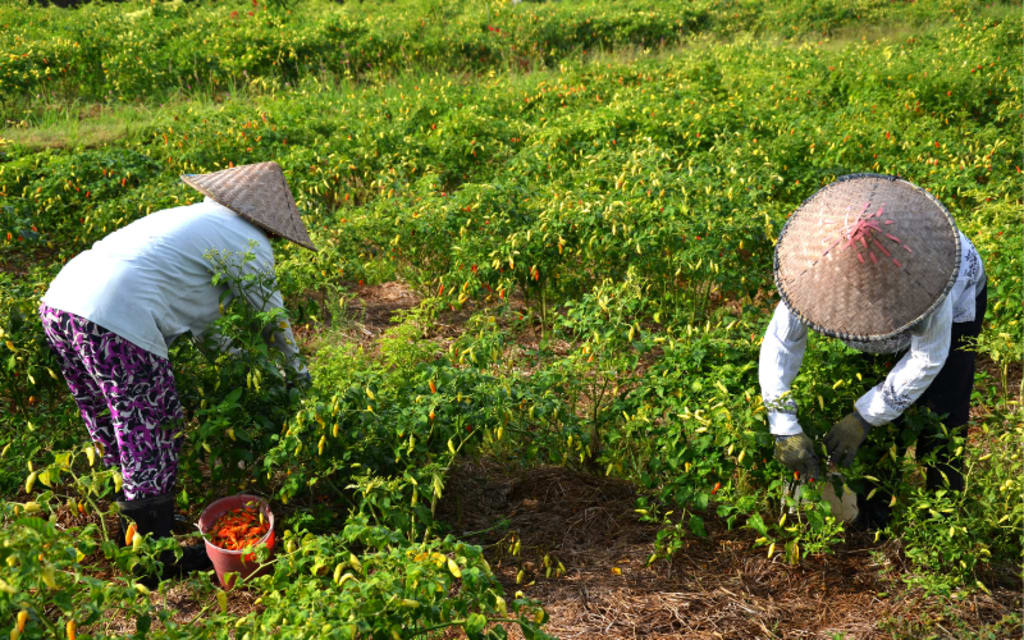
Introduction:
Agriculture plays a crucial role in India's economy, employing a significant portion of the population and serving as the backbone of the nation. Over the years, the country has witnessed a shift towards sustainable and environmentally friendly farming practices, with a growing focus on natural and organic agriculture. This article explores the state of farming in India and the immense scope and potential of natural and organic farming methods in the country.
The State of Farming in India:
India is primarily an agrarian nation, with agriculture accounting for a substantial share of the country's GDP. However, conventional farming practices, which heavily rely on synthetic inputs such as pesticides and fertilizers, have led to numerous environmental and health challenges. Soil degradation, water pollution, and the decline of biodiversity are some of the detrimental consequences.
Embracing Natural and Organic Farming:
Recognizing the need for sustainable alternatives, farmers in India are increasingly turning to natural and organic farming practices. Natural farming methods involve working with nature rather than against it, emphasizing the preservation of soil health, biodiversity, and ecological balance. Organic farming, on the other hand, is regulated by specific standards and prohibits the use of synthetic chemicals.
Scope of Natural and Organic Farming in India:
Environmental Sustainability: Natural and organic farming promotes soil fertility, reduces soil erosion, and preserves water resources. By avoiding synthetic chemicals, farmers protect the health of the soil, making it more resilient and sustainable in the long run. Additionally, these methods help maintain biodiversity and promote ecological harmony.
Health Benefits: The use of synthetic pesticides and fertilizers in conventional farming has raised concerns about the impact on human health. By adopting natural and organic practices, farmers reduce the risk of pesticide residues in crops and minimize the exposure of consumers to harmful chemicals. This translates into healthier and safer food for the population.
Economic Opportunities: Natural and organic farming presents significant economic prospects for Indian farmers. As the demand for organic products grows both domestically and globally, farmers can tap into premium markets and receive higher prices for their produce. Moreover, natural farming techniques often require fewer inputs, leading to cost savings for farmers in the long term.
Climate Resilience: With the increasing challenges posed by climate change, natural and organic farming methods offer better resilience against extreme weather conditions. By focusing on building healthy soil and utilizing organic matter, these practices enhance water retention, prevent soil degradation, and contribute to climate change mitigation.
Government Initiatives and Support:
Recognizing the importance of sustainable farming practices, the Indian government has launched several initiatives to promote natural and organic farming. Schemes such as Paramparagat Krishi Vikas Yojana (PKVY), Pradhan Mantri Fasal Bima Yojana (PMFBY), and National Mission for Sustainable Agriculture (NMSA) aim to support farmers in adopting organic practices, provide insurance coverage, and promote sustainable agriculture.
Some companies such as Unicrop Biochem are trying to change the current situation in India by providing superior quality agro products to farmers.
Conclusion:
Natural and organic farming methods are gaining momentum in India as farmers and policymakers recognize their potential in ensuring long-term sustainability, environmental health, and economic prosperity. By embracing these practices, India can secure a greener and healthier future for its agriculture sector while meeting the rising demand for organic produce. It is imperative to continue supporting and encouraging farmers in their transition towards natural and organic farming, ensuring a harmonious coexistence with nature and the well-being of both farmers and consumers.
About the Creator
Keep reading
More stories from Unicrop Biochem and writers in Earth and other communities.
The High Cost of Chemical Farming: Exploring the Benefits of Organic Agriculture
Farming has been the backbone of human civilization for thousands of years, providing the essential nutrients for our sustenance. However, modern agricultural practices have taken a toll on our environment and health due to the excessive use of chemicals and synthetic fertilizers. Chemical-intensive farming has become the norm, but its effects on the environment and human health are increasingly being recognized. On the other hand, organic farming is gaining popularity due to its numerous benefits for the environment, human health, and the economy.
By Unicrop Biochem3 years ago in Earth
Old Red Cedar
Western red cedar, over 1000 years old, you grew for 200 years and towered over others, silently observing sights in the forest that are no more, your secrets buried within your spirit. The bark covering your tree trunk, said to be about 23 feet around, was hollow when men discovered you. Inside the hollow trunk, a fire somehow began; you cannot tell us when, how, or why, and there is no record of it. The fire caused your death. Slowly, you died, from the inside out. Such a sad loss for an old soul of the forest, with centuries of knowledge in its cells. Houses, watercraft, shingles, bowls, bows and arrows, and paper that men used to write what they knew of your history could have been made from your body, branches, and bark. Truly, fire was a better death for you than a logger’s saw.
By Andrea Corwin a day ago in Earth
Severe Geomagnetic Storm Could Bring Northern Lights Across Much of the U.S.
On Monday evening, skywatchers from the Pacific Northwest to the Midwest got ready for something out of the ordinary: a celestial display that typically occurs at high northern latitudes. Americans who provide forecasts as a powerful cloud of charged particles from the sun accelerates toward the Earth's magnetic field, the National Oceanic and Atmospheric Administration (NOAA) has issued a "G4 (Severe) geomagnetic storm watch."
By Raviha Imran2 days ago in Earth




Comments
There are no comments for this story
Be the first to respond and start the conversation.