
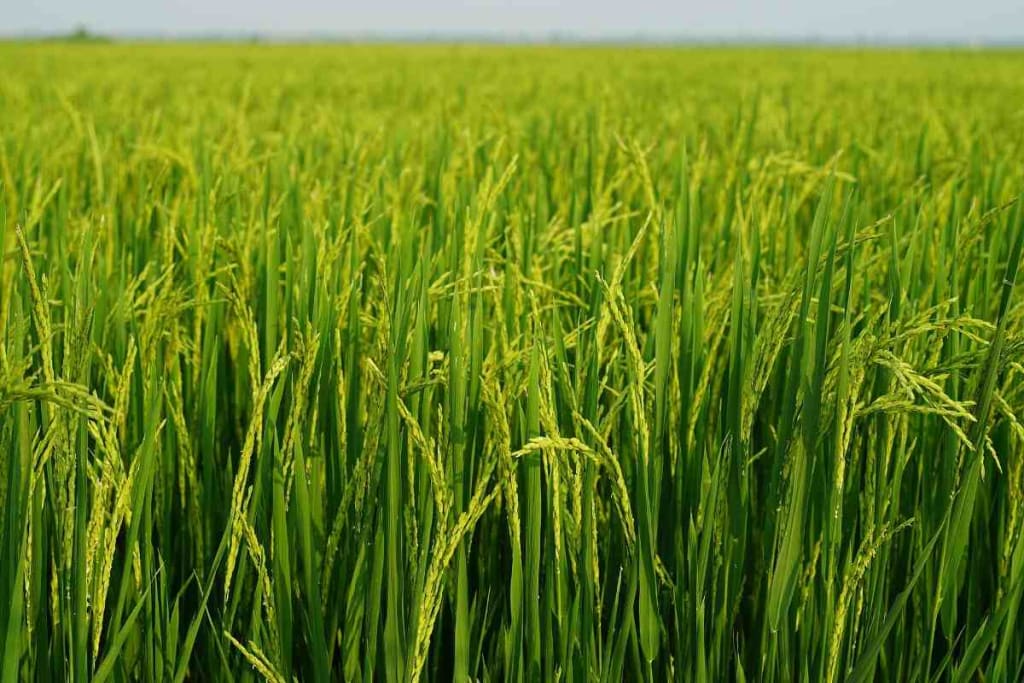
Agriculture refers to the practice of cultivating crops, raising animals, and other activities related to food production and management of natural resources. It is a vital sector of the global economy and is essential for meeting the food needs of the growing population.
Agriculture involves a range of activities, including land preparation, planting, irrigation, harvesting, animal husbandry, and processing and distribution of agricultural products. The methods used in agriculture vary widely depending on the type of crop, climate, and local conditions.
Traditional farming methods have given way to modern agricultural practices that involve the use of technology and scientific methods to improve productivity and efficiency. Some of the modern agricultural practices include precision farming, genetically modified crops, hydroponics, and vertical farming.
Agriculture also plays a crucial role in environmental sustainability. Sustainable farming practices aim to minimize the negative impact of agriculture on the environment while maximizing productivity and profitability. Some sustainable farming practices include crop rotation, reduced tillage, cover cropping, and integrated pest management.
Overall, agriculture is a critical sector that plays a crucial role in feeding the world's population and managing natural resources.
Agriculture has a long history, dating back thousands of years, and has been an essential part of human society. In the early days, agriculture was primarily subsistence-based, meaning that farmers grew crops to feed their families and communities. Over time, agriculture has evolved into a commercial enterprise, with farmers growing crops and raising animals for sale in markets worldwide.
Today, agriculture faces many challenges, including climate change, water scarcity, soil degradation, and declining biodiversity. As a result, there is a growing focus on sustainable agriculture practices that can help mitigate these challenges and ensure food security for future generations.
Sustainable agriculture practices not only promote environmental sustainability but also social and economic sustainability. They aim to improve the livelihoods of farmers and rural communities while also ensuring the long-term health of the environment. Sustainable agriculture practices can also lead to increased resilience against climate change, pests, and diseases.
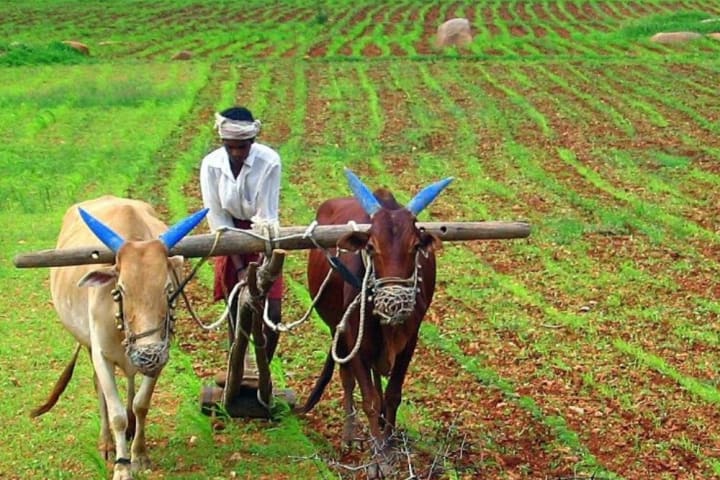
Agriculture also plays a crucial role in rural development and poverty reduction. In many developing countries, agriculture is the primary source of livelihood for rural communities. By promoting sustainable agriculture practices, governments and development agencies can help improve the income and well-being of smallholder farmers, who often lack access to the resources and technologies needed to improve their productivity and incomes.
In conclusion, agriculture is a critical sector that is essential for global food security, environmental sustainability, and economic development. Promoting sustainable agriculture practices is key to addressing the challenges faced by agriculture today and ensuring a brighter future for all.
In recent years, there has been a growing interest in alternative forms of agriculture, such as urban agriculture, community-supported agriculture, and agroforestry. These alternative forms of agriculture aim to address some of the challenges faced by conventional agriculture, such as resource depletion, environmental degradation, and social inequality.
Urban agriculture involves growing crops and raising animals in urban and peri-urban areas, often on small plots of land or in containers. It can help increase access to fresh, healthy food in urban areas and provide income-generating opportunities for urban residents. Community-supported agriculture involves a direct partnership between farmers and consumers, with consumers paying for a share of the harvest in advance. This model can help support small-scale farmers and promote local food systems.
Agroforestry involves combining trees with crops and/or livestock to create a more diverse and sustainable farming system. It can help improve soil health, increase biodiversity, and mitigate the effects of climate change by sequestering carbon in trees and soils.
In addition to these alternative forms of agriculture, there is also a growing interest in regenerative agriculture. Regenerative agriculture is an approach that aims to restore and regenerate the health of the soil, ecosystem, and community. It involves a holistic approach to farming that integrates ecological, social, and economic sustainability. Regenerative agriculture practices include cover cropping, crop rotation, conservation tillage, agroforestry, and livestock integration.
In conclusion, agriculture is a critical sector that faces many challenges, including climate change, environmental degradation, and social inequality. Alternative forms of agriculture, such as urban agriculture, community-supported agriculture, and agroforestry, offer new and innovative approaches to address these challenges. Regenerative agriculture offers a holistic approach to farming that can help restore and regenerate the health of the soil, ecosystem, and community. By promoting sustainable and regenerative agriculture practices, we can create a more resilient and sustainable food system that benefits everyone.
One of the key challenges facing agriculture today is climate change. Climate change poses a significant threat to global food security, with rising temperatures, changing precipitation patterns, and more frequent extreme weather events expected to reduce crop yields and disrupt food systems.
To address this challenge, there is a growing focus on climate-smart agriculture (CSA). CSA is an approach that aims to increase the resilience of farming systems to climate change while also reducing greenhouse gas emissions and improving productivity and food security.
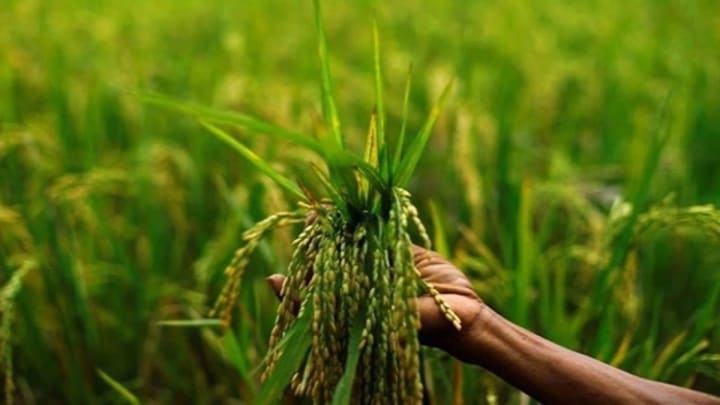
CSA practices include the use of drought-resistant crops, improved irrigation systems, agroforestry, and conservation agriculture. By promoting CSA practices, farmers can adapt to the changing climate while also contributing to global efforts to mitigate climate change.
Another challenge facing agriculture is the loss of biodiversity. Biodiversity loss can have significant impacts on agricultural productivity and sustainability, as well as on food security and human health.
To address this challenge, there is a growing interest in agroecology. Agroecology is an approach that aims to create more diverse and resilient farming systems by integrating ecological principles into agriculture. Agroecological practices include crop diversification, soil conservation, and the integration of livestock and crops.
By promoting agroecological practices, farmers can improve soil health, increase biodiversity, and reduce the use of agrochemicals. Agroecology also offers potential benefits for food security, as diverse and resilient farming systems are better able to adapt to changing environmental conditions and provide a range of nutritious foods.
In conclusion, agriculture faces many challenges, including climate change, biodiversity loss, and social inequality. However, there are also many innovative and promising approaches that can help address these challenges. By promoting sustainable and regenerative agriculture practices, as well as climate-smart agriculture and agroecology, we can create a more resilient and sustainable food system that benefits both people and the planet.
Another important challenge facing agriculture is food waste. According to the United Nations Food and Agriculture Organization (FAO), one-third of all food produced in the world is lost or wasted each year. This not only has significant economic and environmental impacts but also contributes to global food insecurity.
To address this challenge, there is a growing interest in reducing food waste along the entire food supply chain, from production to consumption. This includes improving storage and transportation systems, reducing overproduction, and increasing consumer awareness about the importance of reducing food waste.
In addition, there is a growing interest in promoting sustainable food systems that prioritise local and regional food production and distribution. By reducing the distance food travels from farm to table, we can reduce greenhouse gas emissions associated with transportation and support local economies and communities.
Finally, it is important to address the social and economic challenges facing farmers, particularly small-scale farmers in developing countries. These farmers often lack access to the resources and technologies needed to improve their productivity and incomes, and are vulnerable to market fluctuations and other external shocks.
To address these challenges, there is a growing focus on promoting inclusive and equitable agricultural development that supports small-scale farmers and rural communities. This includes investing in agricultural research and innovation, promoting access to credit and finance, and improving market access and value chains.
In conclusion, agriculture faces many challenges, including food waste, sustainable food systems, and social and economic inequalities. However, there are many innovative and promising approaches that can help address these challenges and create a more sustainable and equitable food system. By promoting sustainable agriculture practices, reducing food waste, and supporting small-scale farmers and rural communities, we can create a brighter future for agriculture and food security.
About the Creator
Keep reading
More stories from Sangeetha S and writers in Earth and other communities.
Do Not Touch the Roses
There is a quiet power in the phrase “Do Not Touch the Roses.” It sounds like a warning, but it feels like an invitation — one that asks us to pause, admire, and respect something without claiming it. Roses have long symbolized love, beauty, and passion, yet they are also guarded by thorns. That contradiction makes them the perfect metaphor for many of life’s most meaningful things.
By Aarif Lashari2 days ago in Earth




Comments
There are no comments for this story
Be the first to respond and start the conversation.