
AFRICA'S FOUR SEASONS
Embracing the Kaleidoscope of Africa's Four Seasons

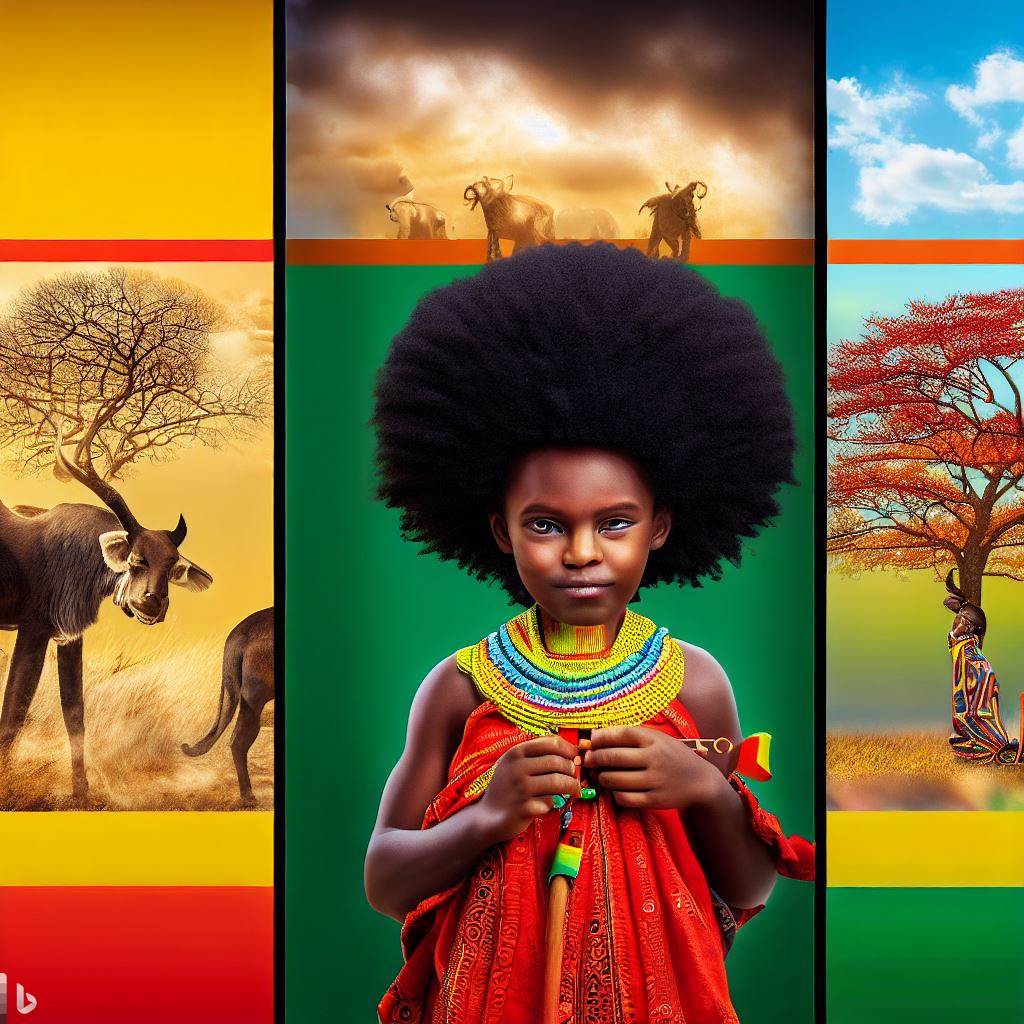
Africa, a continent of stunning diversity and natural wonders, offers a complex tapestry of seasonal fluctuations that captivate both travellers and nature lovers. Each location, from the sun-baked savannas to the lush rainforests and parched deserts, has unique seasons that shape the terrain and influence the lives of both humans and wildlife. We explore deeper into the compelling distinctions between Africa's four seasons in this detailed examination, revealing the kaleidoscope of climates that colour this remarkable continent.
1. Rainy Season: Nature's Rejuvenating Symphony
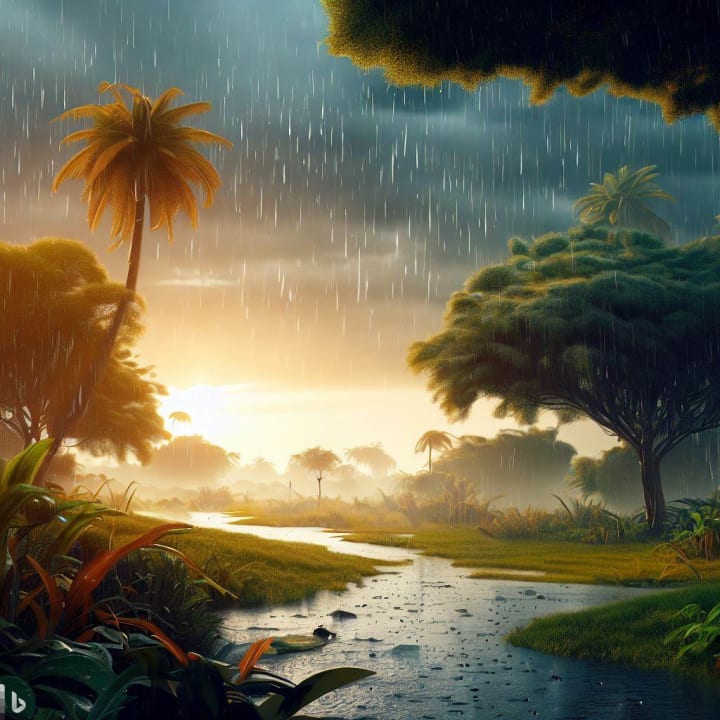
With the commencement of the rainy season, Africa experiences a transformation, converting into a colourful paradise overflowing with life. While the heavens open up, life-giving rains fall, transforming arid landscapes into lush green havens. During this season, the heart of Africa's rainforests, which spans countries such as Uganda, Rwanda, and the Democratic Republic of the Congo, pulsates with life. The deep vegetation attracts a symphony of birds, insects, and animals including vulnerable mountain gorillas and playful chimps.
The rainy season is a period of prosperity for wildlife, as increased availability of food allows them to sustain themselves. It is also the breeding season for many animals, providing numerous chances to see infants take their first steps into the world. However, it's important to keep in mind that some roads and paths may become impassable after severe rains, making travel in particular areas more difficult.
2. Dry Season: A Season of Endurance
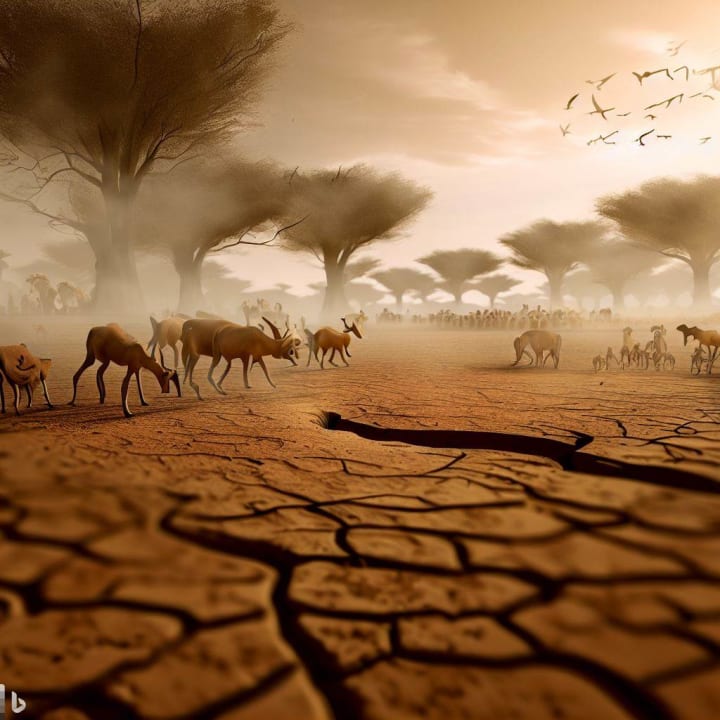
The dry season, which occurs in a multitude of regions in Africa, is distinguished by intense heat, minimal rainfall, and bleak and arid landscapes. As the hot sun dominates the sky, the beautiful savannas of Kenya and Tanzania glisten under its fierce beams. During this time, rivers dry up and waterholes become important gathering places for wildlife. The Great Migration, which took place in East Africa's savannas is a great example, with large herds of wildebeest and zebras braving the savannas in search of life-sustaining water and richer fields.
The dry season provides excellent opportunity for animal viewing and safaris for visitors. With less foliage, animals become more apparent, and the fascinating interactions between predators and prey play out in front of one's eyes. It also provides an excellent opportunity to interact with local communities and see traditional ceremonies as they celebrate their heritage in the middle of harsh yet gorgeous scenery.
3. Cool Season: A Welcome Respite
Africa, a continent of stunning diversity and natural wonders, offers a complex tapestry of seasonal fluctuations that captivate both travelers and nature lovers. Each location, from the sunbaked savannas to the lush rainforests and parched deserts, has unique seasons that shape the terrain and influence the lives of both humans and wildlife. We explore deeper into the compelling distinctions between Africa's four seasons in this detailed examination, revealing the kaleidoscope of climates that colour this remarkable continent.
4. Harmattan Season: The Dusty Encounter
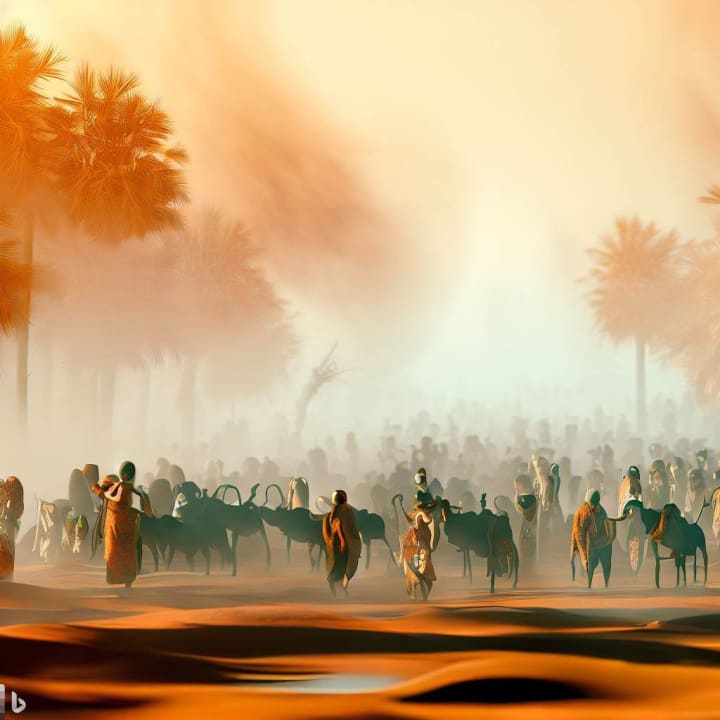
The Harmattan season is a special and distinctive occurrence which takes place in West Africa, mainly in Nigeria, Ghana, and Senegal. During this time, dry and dusty winds sweep across the Sahara Desert, transporting fine dust and sand over long distances. The Harmattan winds create a foggy climate that restricts visibility and casts a strange, dusty tint on the scenery.
Although the Harmattan season might be difficult in terms of the climate and visibility, it also gives the region a special charm. The mesmerizing mood created by the spectacular sunsets over the dust-filled horizon is especially appealing to photographers and artists. To combat the dryness, local communities use protective gear and use traditional medicines like as shea butter and baobab oil.
Cultural events and celebrations are common throughout this season, exhibiting the diversity of West African traditions and culture. The Harmattan season becomes an arena for bright events that unify communities and embrace their distinctive cultural histories, from flamboyant masquerades to spirited drumming and dance displays.
Conclusion:
Each of Africa's four seasons reveals an intriguing aspect of the continent's unique climates and ecosystems. The wet season displays wildlife's tenacity in the face of hard conditions, whilst the dry season breaths new life into the landscapes and allows opportunity to observe nature's resurrection. The chilly season provides ideal conditions for exploration and outdoor experiences, while the Harmattan season adds a sense of mystery to West African landscapes.
Whether you're looking for the exhilaration of wildlife encounters, the serenity of rainforests, the attraction of cool climates, or the intriguing beauty of dusty winds, Africa's four seasons promise an extraordinary journey across a continent that never fails to inspire and captivate. Embrace the contrasts, embrace the diversity, and embark on a journey through Africa's ever-changing seasonal kaleidoscope.
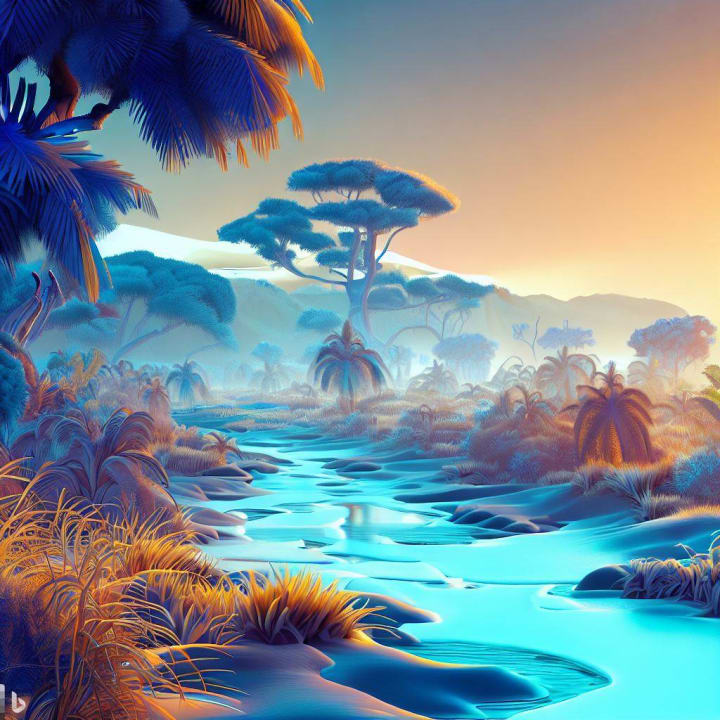
Various regions throughout Africa have a chilly season, which provides a welcome respite from the searing heat. Temperatures gradually rise during this period, making outdoor activities and exploration more enjoyable. South Africa, Namibia, and Morocco are well-known places to visit during the cooler months.
The cool season (May to September) in South Africa entices nature lovers to embark on thrilling safaris in prominent reserves such as Kruger National Park. Visitors can also marvel at the stunning natural beauty of the Cape region, where wineries, mountains, and pristine beaches await discovery.
The chilly season in Namibia (May to October) is great for exploring the exotic vistas of the Namib Desert, where the towering sandy dunes of Sossusvlei flash with brilliant hues at sunrise and dusk. The chilly season also allows you to see desert-adapted species, such as the interesting desert-adapted elephants and oryx.
The cold season (November to March) in Morocco allows visitors to experience the colourful medinas of Marrakech, meander through the medieval streets of Fes, and ride camels into the magical Sahara Desert without having to endure the harsh summer heat.
4. Harmattan Season: The Dusty Encounter
The Harmattan season is a special and distinctive occurrence which takes place in West Africa, mainly in Nigeria, Ghana, and Senegal. During this time, dry and dusty winds sweep across the Sahara Desert, transporting fine dust and sand over long distances. The Harmattan winds create a foggy climate that restricts visibility and casts a strange, dusty tint on the scenery.
Although the Harmattan season might be difficult in terms of the climate and visibility, it also gives the region a special charm. The mesmerizing mood created by the spectacular sunsets over the dust-filled horizon is especially appealing to photographers and artists. To combat the dryness, local communities use protective gear and use traditional medicines like as shea butter and baobab oil.
Cultural events and celebrations are common throughout this season, exhibiting the diversity of West African traditions and culture. The Harmattan season becomes an arena for bright events that unify communities and embrace their distinctive cultural histories, from flamboyant masquerades to spirited drumming and dance displays.
Conclusion:
Each of Africa's four seasons reveals an intriguing aspect of the continent's unique climates and ecosystems. The wet season displays wildlife's tenacity in the face of hard conditions, whilst the dry season breaths new life into the landscapes and allows opportunity to observe nature's resurrection. The chilly season provides ideal conditions for exploration and outdoor experiences, while the Harmattan season adds a sense of mystery to West African landscapes.
Whether you're looking for the exhilaration of wildlife encounters, the serenity of rainforests, the attraction of cool climates, or the intriguing beauty of dusty winds, Africa's four seasons promise an extraordinary journey across a continent that never fails to inspire and captivate. Embrace the contrasts, embrace the diversity, and embark on a journey through Africa's ever-changing seasonal kaleidoscope.
About the Creator
Tshepo
Tshepo Kekana is a 21-year-old black writer from Pretoria
, Gauteng, South Africa. Passionate about storytelling and promoting diverse voices. In love with nature, books and FOOD.
When the Sky Splits Open: Living Through the Next Polar Vortex Collapse
I remember the first time I learned what a “polar vortex” actually was. It was during that brutal winter of 2014, when the air outside made sound brittle and breathing almost felt like swallowing glass. The term had just entered the mainstream — a sleek, scientific label for a phenomenon that had been happening for eons but suddenly carried the power to dominate headlines and freeze half a continent in place. Now, a decade later, every forecast of a potential “vortex collapse” sets off the same chain reaction: social media panic, clickbait maps glowing blue, and a quiet dread that this time might be worse.
By Trend Vantagea day ago in Earth
Canadian Backpacker’s Death Raises Hard Questions for Queensland’s K’gari
The tragic death of a Canadian backpacker on K’gari, the world-heritage-listed island off Queensland’s coast formerly known as Fraser Island, has reignited a difficult and emotional debate: can humans and dingoes safely coexist in a shared tourist space?
By Muhammad Hassana day ago in Earth
Affection and Healing for Yourself
During the night of the last quarter moon, I gathered my ritual supplies. I carefully handled the chunk of black tourmaline that would protect me from your overall negative and narcissistic energy. I carefully walked the house with my stick of selenite in hand, asking the universe to cleanse our working space.
By Alisha Wilkins ✒️🦋🖋️5 days ago in Fiction



Comments
There are no comments for this story
Be the first to respond and start the conversation.