
Adaptation Measures for Coastal Communities Facing Sea Level Rise in Africa
Strategies Communities can consider to adapt to Sea Level rise in Africa.

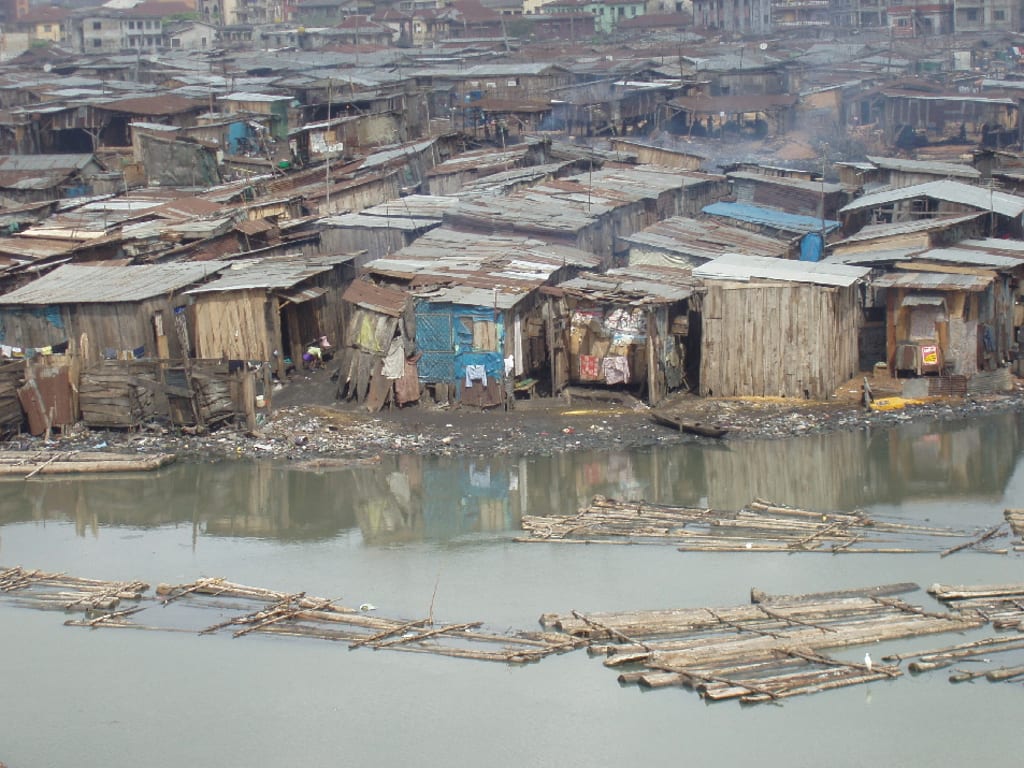
Coastal areas are very sensitive to climate change due to sea-level rise leading to negative impacts such as coastal erosion. The impact of sea-level rise is increased by coastal developments, land use change and population growth, and causes societal problems such as increased salinity of groundwater and soils, the necessity to migrate and loss of infrastructure. Developing countries are generally more vulnerable to coastal changes due to their limited capacity to prevent and absorb the related effects. To stimulate coastal adaptation in developing countries it is important to evaluate different adaptation strategies and identify opportunities. Potential adaptation strategies in coastal areas include hard structures, beach nourishment, ecosystem restoration, retreat, zoning and building codes.
Coastal communities in Africa are on the front lines of the impacts of sea level rise, which is accelerating due to climate change. Rising sea levels pose significant threats to livelihoods, infrastructure, and ecosystems in these regions. To address these challenges, adaptation measures are essential. Here are some strategies for coastal communities in Africa to adapt to sea level rise:
Early Warning Systems: Establishing early warning systems can help coastal communities prepare for and respond to coastal inundation and storms. These systems can provide timely information about impending threats, allowing residents to evacuate or take protective measures.
Elevated Infrastructure: Building and retrofitting infrastructure to be more resilient to sea level rise is crucial. Elevating roads, buildings, and critical facilities can reduce the risk of damage and disruption during flooding events.
Natural Barriers: Employing natural barriers like mangrove forests, dunes, and wetlands can act as natural buffers against rising seas and storm surges. These ecosystems help absorb wave energy and protect the coastline from erosion.
Beach Nourishment: Adding sand and sediment to eroded beaches can restore and maintain their natural protective function. Beach nourishment projects can be a cost-effective way to mitigate erosion and protect coastal communities.
Community Engagement: Engaging with local communities is essential in developing adaptation plans. Incorporating traditional knowledge and involving residents in decision-making can lead to more effective and culturally sensitive solutions.
Improved Coastal Planning: Implementing better land-use planning and zoning regulations is critical. This includes restricting construction in vulnerable areas and designing buildings to withstand flooding and high winds.
Infrastructure Resilience: Designing and building resilient infrastructure is essential. This includes constructing sea walls, levees, and stormwater drainage systems capable of withstanding rising seas and increased storm intensity.
Climate-Resilient Agriculture: Encouraging climate-resilient agricultural practices, such as salt-tolerant crop varieties and improved water management, can help coastal communities maintain food security in the face of saltwater intrusion and changing growing conditions.
Capacity Building: Strengthening the capacity of local governments, organizations, and individuals to plan for and respond to sea level rise is vital. This includes providing training and resources for disaster preparedness and response.
Financial Mechanisms: Developing financial mechanisms, such as insurance and risk-sharing schemes, can help communities recover from climate-related disasters and reduce their vulnerability to sea level rise.
International Cooperation: Many African coastal communities share common challenges related to sea level rise. International cooperation and knowledge sharing can facilitate the exchange of best practices and resources.
Adaptation to sea level rise is a complex and ongoing process that requires collaboration among governments, communities, and international organizations. The impacts of climate change are already being felt in African coastal areas, making it imperative to take action to protect vulnerable communities, preserve ecosystems, and secure a sustainable future for coastal regions.
Furthermore, sea level rise, along with erratic rains, increasing atmospheric temperatures, flat topography of the country, and tidal effect are major factors causing high salinity (up to 40 g/L) in The Gambia River (Albaret et al., 2004;Ceesay et al., 2016). With an average elevation of 34 m, the sea level has been projected to rise by 0.3 m in 2050 in the coastal regions of the West African region including The Gambia (Serdeczny et al., 2017), increasing risks of flooding, loss of dry land, and salinity intrusion (Hinkel et al., 2012). Salinity intrusion in The Gambia River has already affected agriculture, especially rice growing, which is one of the main farming activities in the country (Bagbohouna et al., 2018), and the diversity, size, and maturity of aquatic living resources (Panfili et al., 2006).
About the Creator
John Nnaji
CEO Billion$ Concepts: Talent Box of Africa
HOME OF INTERESTING VIDEOS
BLOGGER❣️❤️❤️❤️EMAIL for all promotions
[email protected]
Keep reading
More stories from John Nnaji and writers in Earth and other communities.
Climate Change and Water Scarcity in North Africa
North Africa, encompassing countries such as Egypt, Sudan, Algeria, Tunisia, Libya, and Morocco, is no stranger to environmental challenges. One of the most pressing issues facing this region is the intersection of climate change and water scarcity, a complex and interrelated problem that threatens the livelihoods and stability of the entire region.
By John Nnaji 2 years ago in Earth
Muslim Countries Condemn Israel’s Gaza Strikes, Allege ‘Repeated Violations’ of Ceasefire
Several Muslim-majority countries have condemned recent Israeli strikes in Gaza, alleging that the attacks represent repeated violations of ceasefire agreements. The statements, issued through official government channels and regional organizations, reflect growing diplomatic tensions and renewed concern about stability in the Middle East.
By Aarif Lashari6 days ago in Earth



Comments
There are no comments for this story
Be the first to respond and start the conversation.