
A Peek Into a Smoggy Future
The 5 Countries Likely to Have the Worst Air in December 2025

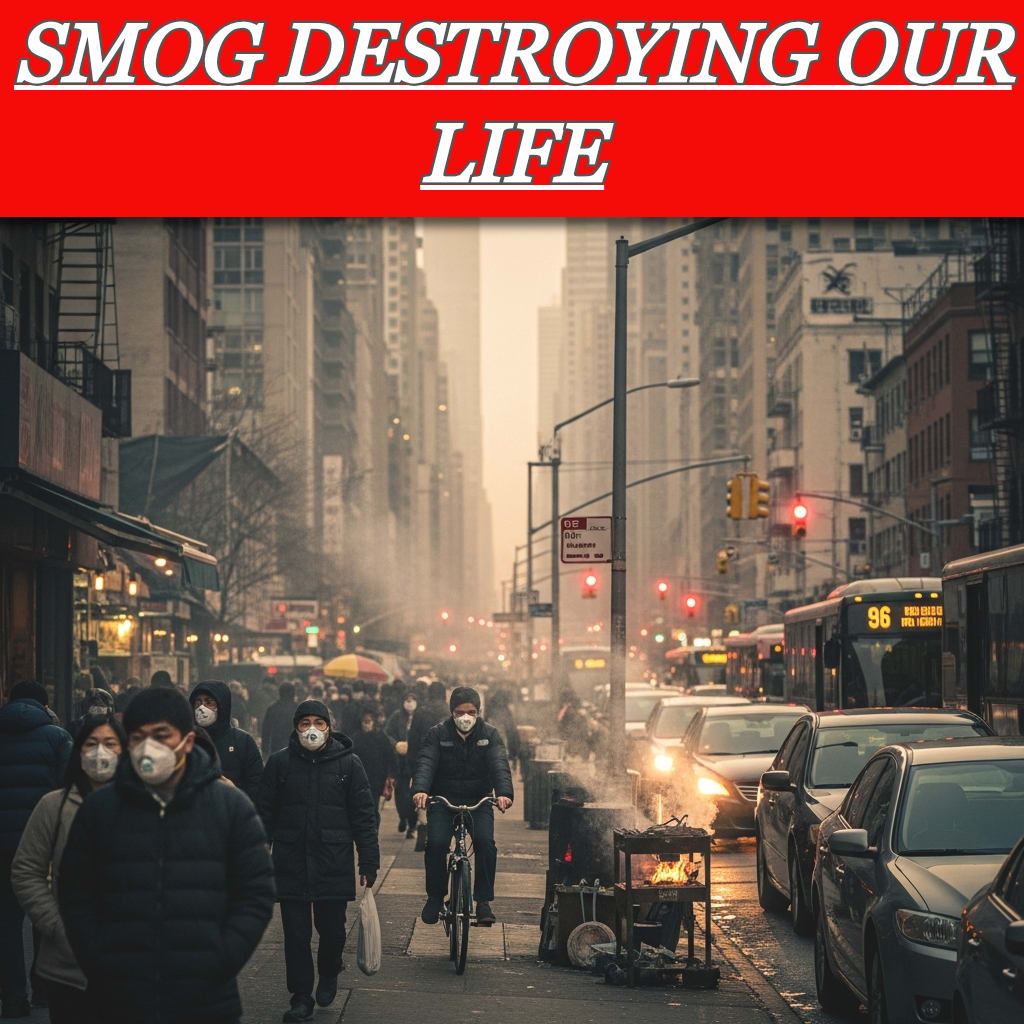
Hey there. Trying to figure out where the air might be toughest to breathe at the end of next year? It’s a forward-looking question, and anyone who gives you a firm list is guessing a bit—we don’t have a crystal ball. But by looking at stubborn, years-long trends and how winter works, we can make a very educated forecast.
First, a key thing to understand: December is a uniquely bad month for air pollution in many parts of the world. It’s not just about factories and cars. It’s the cold. When temperatures drop, millions of people burn things to stay warm—coal, wood, even trash. At the same time, cold air often creates a "lid" over cities (called a temperature inversion), trapping all that smoke, exhaust, and dust close to the ground where people live and breathe. It’s a perfect, toxic storm.
So, based on where this painful winter pattern repeats every year, here are the five countries most likely to top the dirty-air list in December 2025.
1. Bangladesh
Think of Bangladesh as ground zero for bad air.It’s been ranked the most polluted country in the world for several years running, and December is especially grim. Why? The short harvest season is over by then, and farmers often burn leftover rice stalks to clear fields, covering the whole region in a haze. In the cities, especially the massive capital of Dhaka, millions of old cars and rickshaws clog the streets. But the real December culprit are the thousands of brick kilns surrounding the city. They operate at full blast during the dry, construction-friendly winter, burning coal and releasing thick, black plumes of smoke. The geography—flat and river-filled—just lets all this gunk sit there.

2. Pakistan (Specifically, the Lahore Region)
If you hear about"airpocalypses" in December, Lahore, Pakistan is often the headline. The province of Punjab, split between Pakistan and India, becomes a bowl of smog every winter. The problem starts with farmers on both sides of the border burning crop waste in late autumn. By December, that smoke has mixed with year-round city pollution from vehicles and industry. Then, the cold, still winter air presses down and traps it all. The smog gets so thick it sometimes shuts down schools, cancels flights, and turns a simple walk outside into a health hazard. It’s so predictable and severe that locals have a bleak nickname for it: the "fifth season."

3. India (The Northern Plains)
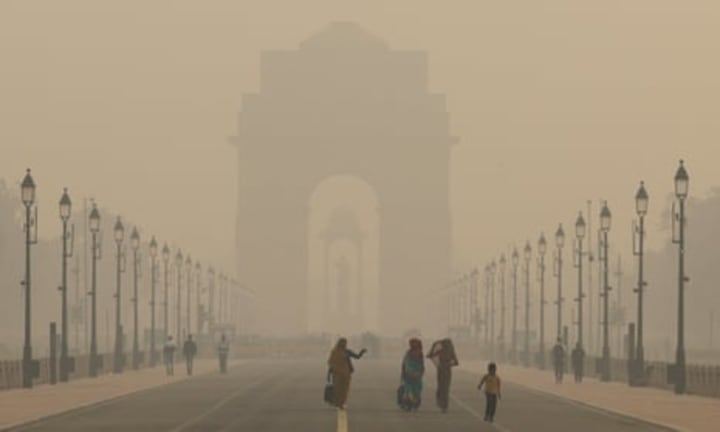
India’s pollution story is huge and varies by region,but the north is the epicenter in winter. The megacity of Delhi gets global attention, but the whole Indo-Gangetic Plain—a massive flat stretch of land from Punjab to Kolkata—suffers. While the peak of farm fires is in November, their pollution legacy lingers into December. Then, as the cold truly sets in, people without reliable electricity start burning cheap fuels for warmth. The festive season adds fireworks to the mix. The Himalayan mountains to the north act like a wall, preventing the dirty air from escaping. It’s a recipe for persistent, dangerous smog that blankets hundreds of millions of people.
4. Tajikistan
This one might surprise you,but it shouldn’t. Tajikistan, a mountainous country in Central Asia, has quietly been among the world’s most polluted for years. Its December problem is almost entirely about heat. The country faces brutal winters and has unreliable electricity. So, people and businesses rely on burning cheap, low-quality coal and even old tires to stay warm. The smoke from millions of small stoves and furnaces pours into the valleys where cities like the capital, Dushanbe, are located. The cold mountain air then seals these valleys shut, turning them into chambers filled with coal smoke. It’s a stark, heartbreaking example of how poverty and climate can collide to create a pollution crisis.

5. Iraq
Iraq’s pollution is a year-round issue,but winter can make it feel more intense. The problem is a combination of forces. First, the country is prone to intense dust storms, which can blanket cities in fine particulate matter. Second, decades of conflict and poor infrastructure mean the oil industry often burns off excess gas (a process called flaring) and many people rely on private diesel generators for power. In December, cooler, calmer weather can trap this mix of desert dust, industrial emissions, and generator soot closer to the ground in cities like Baghdad. Unlike the agricultural burning further east, Iraq’s smog is more of a fossil-fuel and dust phenomenon.

A Quick, Important Note on China: You might wonder where it is. Ten years ago, it would have been #1. Massive government efforts have actually improved the national average. But that doesn't mean it's all clear. Certain industrial provinces and cities in northern China can still see terrible December smog—it's just that other countries now have a higher overall average level of pollution.
So, that’s the likely list. It’s a depressing forecast, but it’s not magic. It’s just physics, weather, and human activity following a familiar, toxic pattern. The only thing that will change this list by December 2025 is serious, concerted action to break these cycles of burning and pollution. Until then, for millions in these places, a deep breath in winter will remain a health risk.
About the Creator
LegacyWords
"Words have a Legancy all their own—I'm here to capture that flow. As a writer, I explore the melody of language, weaving stories, poetry, and insights that resonate. Join me as we discover the beats of life, one word at a time.
Keep reading
More stories from LegacyWords and writers in Earth and other communities.
The World Map in 2025: Redrawn by Climate, Conflict, and Code
THE WORLD MAP IN 2025: REDRAWN BY CLIMATE, CONFLICT, AND CODE WRITTEN BY: LEGANCY WORDS Look at a world map from 1990. Then look at one from today. The differences seem subtle—a new country here, a changed border there. But the map isn't just lines on paper; it's a living document of human ambition, fear, and power. As we speed toward 2025, the forces redrawing our planet are accelerating, creating a new global landscape shaped by three powerful forces: a changing climate, shifting conflicts, and the silent war of technology.
By LegacyWords6 months ago in Earth
Scientists Probe How Long-Term Spaceflight Alters Immunity
On Earth, a human body with a properly functioning immune system will work to overcome an infection. But in space, that same immune system will have to work a bit harder to overcome the same infection. In the isolated environment of the International Space Station, many factors — physiological stress, disrupted circadian rhythms, radiation, microgravity, and other spaceflight factors — can alter an astronaut’s immune response.
By Voice of Realitya day ago in Earth



Comments
There are no comments for this story
Be the first to respond and start the conversation.