
A Journey To A Plastic-Free World | Sustainability
The Problem with Plastic | Steps Toward a Plastic-Free Future | How Technology Will Aid a Plastic-Free Future | Challenges and Roadblocks | 7 Questions About a World Without Plastic

A Journey To A Plastic-Free World | Sustainability
Plastics are part of our daily lives. From packaging to electronics, medical devices to construction materials, its versatility and durability have made it a nonnegotiable for success. But the environmental cost of our commitment to plastic is enormous. Annually, more than 300 million tons of plastic are produced worldwide, and much of that goes on to pollute our oceans, killing wildlife and waging havoc on climate. As the awareness of plastic waste and pollution spreads, the demand for a plastic-free future couldn't be louder. This article looks at the problems, answers, and what we can do to help progress closer to a world free from plastic.
The Problem with Plastic
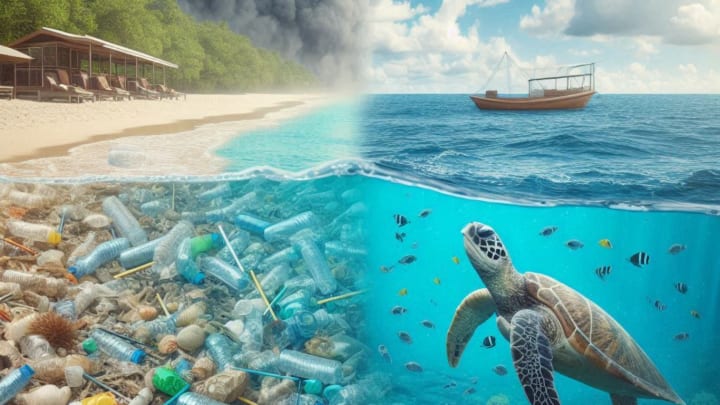
Plastic pollution is one of the biggest environmental challenges facing the world today. A few important stats that give you an idea of how bad the problem is:
Non-Biodegradable: A majority of plastics are non-biodegradable and can take several hundred years to break down, contributing to the increasing amount of waste in our landfills and oceans.
Microplastics: Plastics degrade into minute flecks known as microplastics that have entered our food chain, our water supply, and even the air we breathe.
Wildlife impact: Millions of marine animals and birds die annually from eating plastic or getting tangled.
Greenhouse Gas Emissions: The manufacturing and disposal of plastic contribute a large percentage of greenhouse gas emissions which is worsening climate change.
Plastic bears a steep cost for the convenience that it offers and the need for alternatives has reached critical status.
↓ Steps Toward a Plastic-Free Future
A collaborative effort across individuals, businesses , and governments is needed to create a plastic-free future. Here are some actions you can take:
1. Reduce Single-Use Plastics
Single-use plastics like straws, bags, and packaging are leading contributors to plastic pollution. Using alternatives, such as metal straws, cloth bags, and glass containers, we can make a tremendous decrease in our plastic imprint.
2. Promote Circular Economy
A circular economy aims to recycle, reuse, and repurpose materials to reduce waste. Brands can create products that can be recycled at the end of their lives, and consumers can take steps to support sustainable companies.
1. Innovate with Biodegradable Materials
Researchers and companies are working on biodegradable and compostable materials to replace conventional plastics. Promising solutions include biotechnology-derived products such as mushroom-based packaging, seaweed films, and plant-based plastics.
Policies and regulations by the government
Policies can have transformative power and Governments are responsible for them, whether it’s a plastic ban, a tax on single-use plastics, or incentives for living sustainably. The European Union’s single-use plastics ban is an example of effective legislation.
Raise Awareness and Education
It is crucial to make the public aware of the impact of plastic pollution and the relevance of doing so sustainably. Schools, communities, and media campaigns can help share this message.
6. Support Cleanup Initiatives
Fighting against plastic pollution to protect our oceans Meanwhile, organizations such as The Ocean Cleanup or local town cleanup groups are working diligently to remove plastic waste from our oceans and rivers. Donating to or volunteering for these projects can help.
7. Corporate Responsibility
Businesses have a responsibility to use sustainable practices, minimize packaging, and invest in green alternatives.
How Technology Will Mind a Plastic-Free Future
There is a very powerful tool in the fight against plastic pollution. These are just some of the innovations driving change:
Energy Recovery from Plastics: Technologies are becoming available that convert plastic waste into fuel as an alternative energy source.
AI and Robotics: Increasingly automated systems are employed to sort plastics and enhance their recycling.
Biotechnology: Microorganisms are being engineered to consume plastics and break them down into harmless byproducts.
Together with collective action, these advancements can help accelerate the transition to a plastic-free future.
Challenges and Roadblocks
Though the vision of a plastic-free future is aspirational, some challenges need to be faced:
Economic Ties: Plastic is indispensable to numerous sectors for its affordability and functionality. Switching to alternatives may be a costly undertaking.
Consumer Behavior: Habits and preferences built up over decades are hard to change, especially if alternatives are less convenient or costlier.
Infrastructure: In many cases, effective recycling and waste management systems are absent, which in turn impedes progress.
Universal coordination: Plastic pollution is a global issue that calls for national cooperation and standardization of policies.
7 Questions About a World Without Plastic
What does it mean to be “plastic-free”?
We are in training on data until October 2023.
Why is plastic bad for the environment?
As plastic is non-biodegradable, it contributes to greenhouse gas emissions and is also a threat to wildlife and ecosystems.
What are some possible replacements for plastic?
Alternatives are biodegradable materials such as bamboo, glass, metal, and plant-based plastics.
How do I cut down on plastic?
Begin by reducing your reliance on single-use plastics, carrying reusable bags and containers, and shopping at environmentally friendly brands.
What do governments do to clean up plastic pollution?
They can enact a plastic ban, impose taxes, or provide incentives to adopt sustainable practices.
Is plastic recyclable indefinitely?
No, plastic can typically only be recycled a few times before it degrades in quality.
What are microplastics, and why are they harmful?
Microplastics are small plastic bits that can be consumed by humans and animals and can then get into the food chain and cause health problems.
Conclusion
The road to a plastic-free future will be long, however. Through our initiatives rooted in sustainable practices, support for innovation, and done through policy advocacy, we can help reduce our dependence on plastic while also making the planet a safer place for generations to come. The tiny initiatives make a great difference and united we will have a genuine cleaner, healthier, and fairer world. Let’s urge for a plastic-free tomorrow, today.
About the Creator
Kalpesh Vasava
"Storyteller | Creative Writer | Passionate Explorer of Ideas"
I’m a dedicated writer with a love for sharing compelling stories and inspiring readers through words. My content explores diverse topics such as...
Ielievenreatingeaningftabl
Keep reading
More stories from Kalpesh Vasava and writers in Earth and other communities.
DIY Solar-Powered Oven: Harness the Sun for Eco-Friendly Outdoor Cooking
DIY Solar-Powered Oven: Harness the Sun for Eco-Friendly Outdoor Cooking With the move toward sustainability, solar energy has become a suitable, popular energy resource for a multitude of uses, such as cooking. This solar-powered oven is a great way to enjoy outdoor meals without the use of gas, or electricity and avoid wood while making the products less harmful to the environment. This guide will show you how to construct your own solar oven, explain the science behind it, and answer some common questions about cooking with sun power.
By Kalpesh Vasavaabout a year ago in Earth
The Fiery Circle: Understanding the Pacific Ring of Fire
The **Pacific Ring of Fire** is not a literal ring of flames, but it is undoubtedly the most geologically volatile region on Earth. Stretching approximately 40,000 kilometers (25,000 miles) in a massive horseshoe shape, it traces the coasts of the Pacific Ocean—from the southern tip of South America, up along the coast of North America, across the Bering Strait, down through Japan, and into Southeast Asia and New Zealand.
By Irshad Abbasi 6 days ago in Earth


Comments
There are no comments for this story
Be the first to respond and start the conversation.