
DIY Solar-Powered Oven: Harness the Sun for Eco-Friendly Outdoor Cooking
Build Your Own Solar Oven and Enjoy Green, Off-Grid Cooking

DIY Solar-Powered Oven: Harness the Sun for Eco-Friendly Outdoor Cooking
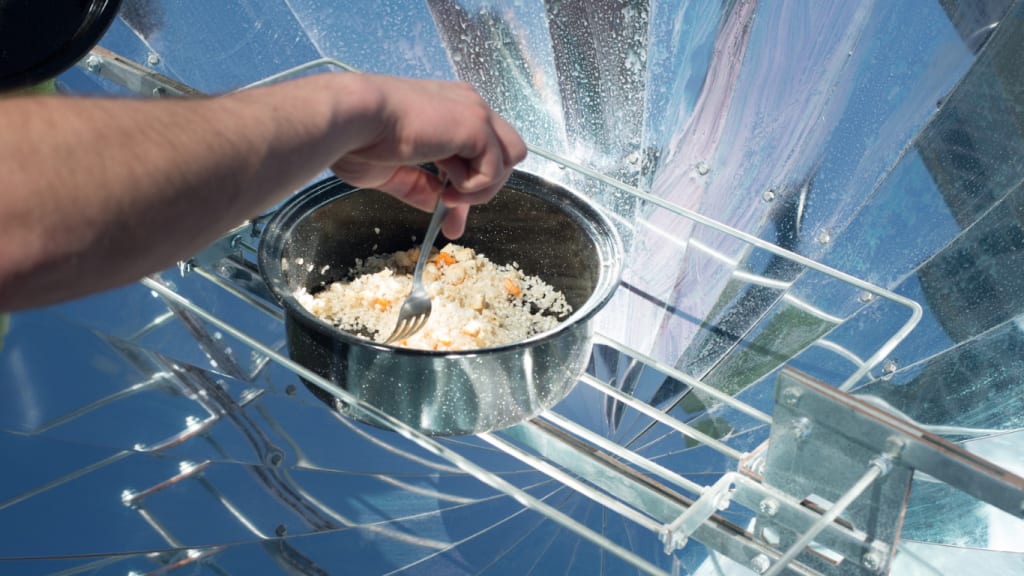
With the move toward sustainability, solar energy has become a suitable, popular energy resource for a multitude of uses, such as cooking. This solar-powered oven is a great way to enjoy outdoor meals without the use of gas, or electricity and avoid wood while making the products less harmful to the environment. This guide will show you how to construct your own solar oven, explain the science behind it, and answer some common questions about cooking with sun power.
Benefits of Using a Solar-Powered Oven
Eco-Friendly Cooking
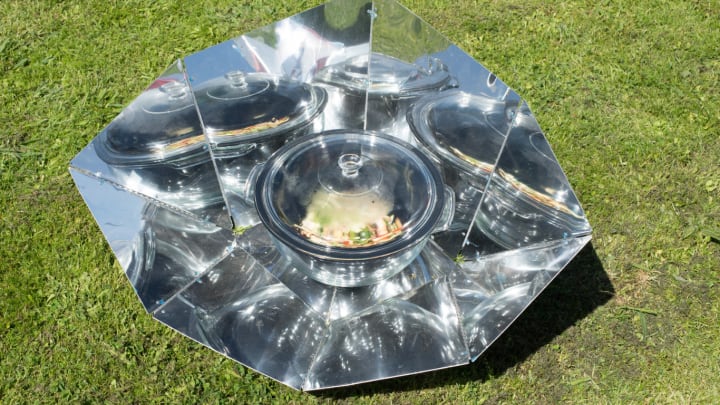
Solar cookers do not require the burning of fossil fuels, which reduces the emission of greenhouse gases. Cooking with the sun helps make a cleaner planet.
Cost-Effective
After it has been built, a solar oven runs for free! No gas bills, no upkeep; only sun and patience.
Ideal for Adventures Outside
When going camping, hiking, or living off-grid a solar oven is a great way to cook foods without using any fuel.
Safe and Easy to Use
Because there are no open flames and hot stoves, solar ovens also reduce fire hazards and require very little supervision, making them a good option for families.
How Does a Solar Oven Work?
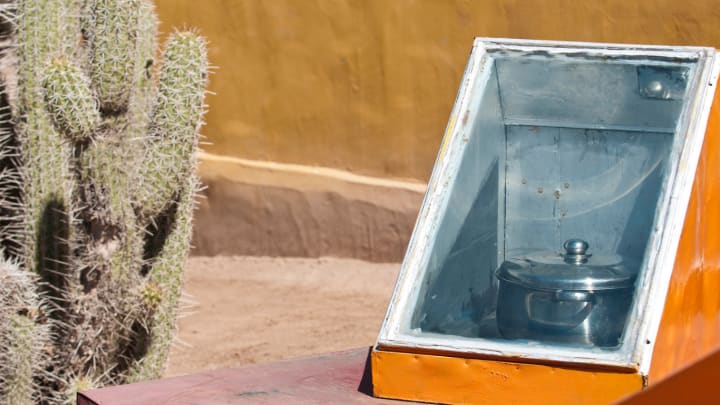
Solar ovens work by bouncing sunlight into an insulated cooking chamber with reflective materials. Here’s how it works:
Reflection: Mirrors, aluminum foil, or reflective panels are used to capture and focus the sunlight into the oven.
Absorption: Dark-colored cookware absorbs heat, turning sunlight into thermal energy.
Retention: A translucent cover (glass or plastic) traps heat inside, resulting in a greenhouse effect that keeps temperatures high.
Solar ovens can hit temperatures of 250°F to 350°F (120°C to 175°C)—sufficient to cook most foods in general, including breads, vegetables, and meats.
Step 4: Direction of the object in front of the mirror
Materials Needed:
A robust cardboard box (or a wooden crate if you want it to last)
A smaller box (to serve as the cooking chamber)
Reflective Mylar or aluminum foil
A piece of transparent glass or plastic sheet
Black construction paper or black pots and pans
Insulating material (newspaper or wool or foam).
A knife or scissors
Glue, tape, or staples
Instructions:
Step 1: Prepare the Outer Box
Start by cutting the top flaps of a large cardboard box and leave one of them attached.
Line the interior of the box with aluminum foil or Mylar for optimum reflection.
Step 2: Make the Cooking Chamber
Insert the smaller box inside the larger one.
Cover the inner box in black construction paper to absorb heat.
Step 3: Insulate the Oven
Pack crumpled newspaper or foam in the gap between the two boxes to conserve heat.
Step 4: Make the Reflector
Use aluminum foil to cover the attached top flap, directing sunlight into the oven.
Tilt it with a stick or a piece of string for more sun.
# Step 5: Add the Transparent Lid
Cover the opening with glass or a clear plastic sheet to trap heat inside.
Step 6: Test Your Solar Oven
Using a sunny day, set your oven in direct sunlight.
Cook with a thermometer to check the internal temperature
What Can Be Cooked in a Solar Oven?
Solar ovens are ideal for slow-cooking recipes. Here are some ideas:
Types of Baked Products: Bread, muffins, pastries and cakes
Veggies: Roasted carrots, potatoes, zucchini
Meats: Browned chicken, fish, or beef cooked slowly
Rice & Pasta: Steamed rice, casseroles
Nibbles: S’mores, nachos and roasted nuts
Tip: Dark-colored cookware absorbs more heat, making it a more efficient cooking surface.
8 Questions about DIY Solar-Powered Ovens
ow hot can a solar oven get?
Typical DIY solar ovens can get to around 250°F to 350°F (120°C to 175°C). How well this works depends on the strength of the sunlight, the insulation, and the materials used.
How long does food take to cook in a solar oven?
Cooking times depend on the amount of sunlight but most meals will take from 2 to 4 hours. Dishes that are cooked slowly, such as stews, might take longer.
Сan I use a solar oven when it's cloudy?
Solar ovens work best when in direct sunlight. In dismal weather, efficiency plummets, but it is possible to do partial cooking with well-built insulation.
Can we cook meat in a solar oven safely?
Yes, if the oven can hold temperatures above 165 degrees F (75 degrees C) for a long enough time to kill bacteria. To ensure safe consumption, use a food thermometer.
Is it possible to build a solar oven without glass?
Yes! If you can’t find glass, use clear plastic wrap or an oven-safe plastic lid, which will also keep heat in better than metal.
How do I clean a solar oven?
Clean the interior with a damp cloth after use. Skip the harsh chemicals, which can wear away reflective surfaces.
Is it safe to leave my solar oven outside overnight?
You don’t need to leave your solar oven outside all the time; store your oven inside so moisture, critters, and wind don’t damage it.
How to Make Your Solar Oven More Efficient?
Add multiple reflectors to gain additional sun.
Add food after the oven is preheated.
When to Cook (10 AM to 3 PM)
Pick black cookware that traps more heat.
Final Thoughts
Make a DIY solar-powered oven, and enjoy making the most of eco-friendly outdoor cooking. Whether you’re an Earth-friendly cook or a lover of the great outdoors — or both — or preparing for life off the grid, a solar oven is a cost-effective, low-impact, and fun way to prepare food.
Try it out, and sun-cook delicious meals, while cutting your carbon footprint!
Was this guide helpful for you?
Let us know what you think in the comments! Happy solar cooking!
About the Creator
Kalpesh Vasava
"Storyteller | Creative Writer | Passionate Explorer of Ideas"
I’m a dedicated writer with a love for sharing compelling stories and inspiring readers through words. My content explores diverse topics such as...
Ielievenreatingeaningftabl
Keep reading
More stories from Kalpesh Vasava and writers in Earth and other communities.
How to Start Birdwatching: A Beginner’s Guide
How to Start Birdwatching: A Beginner’s Guide Birdwatching, or birding, is a fulfilling pastime that reconnects you with nature and sharpens mindfulness and keenness. Birdwatching allows you to immerse yourself in the majesty and variety of avian life whether you are in a city park or deep in the wilderness. This guide will help you through everything you need to know to start birdwatching: what you’ll need, and how to find and identify birds. We will also tackle 7 FAQs to ensure that your birding is as smooth and enjoyable as possible!
By Kalpesh Vasava12 months ago in Earth
Malted Wheat Flour Market Size and Forecast 2025
Malted Wheat Flour Market Overview Malted wheat flour is produced by germinating wheat grains, drying them, and grinding them into flour. This natural malting process activates enzymes—particularly amylase—that convert starch into fermentable sugars during baking. The result is improved dough fermentation, enhanced texture, increased loaf volume, and a richer, more consistent flavor profile in baked goods.
By Aaina Oberoi3 days ago in Earth
Neutraceutical Packaging Market Size and Forecast 2025–2033
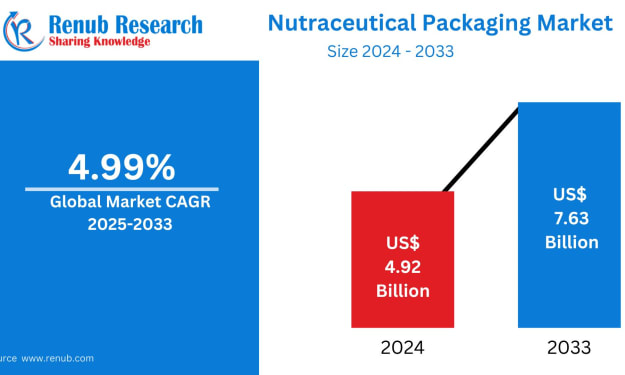
Neutraceutical Packaging Market at a Glance The Neutraceutical Packaging Market is projected to expand from US$ 4.92 billion in 2024 to US$ 7.63 billion by 2033, growing at a CAGR of 4.99% from 2025 to 2033. This steady growth reflects the accelerating global demand for dietary supplements, functional foods, herbal products, and wellness beverages. Rising health awareness, aging populations, sustainability expectations, the rapid growth of e-commerce, and evolving regulatory frameworks are reshaping how nutraceutical products are packaged, protected, and presented.
By jaiklin Fanandish3 days ago in Earth



Comments (2)
Mr, Alex H Mittelman Thanks You so much❤
Nice work! Great job