
A Gem in the Heart of the Earth:
The Rice NW Museum of Rocks and Minerals
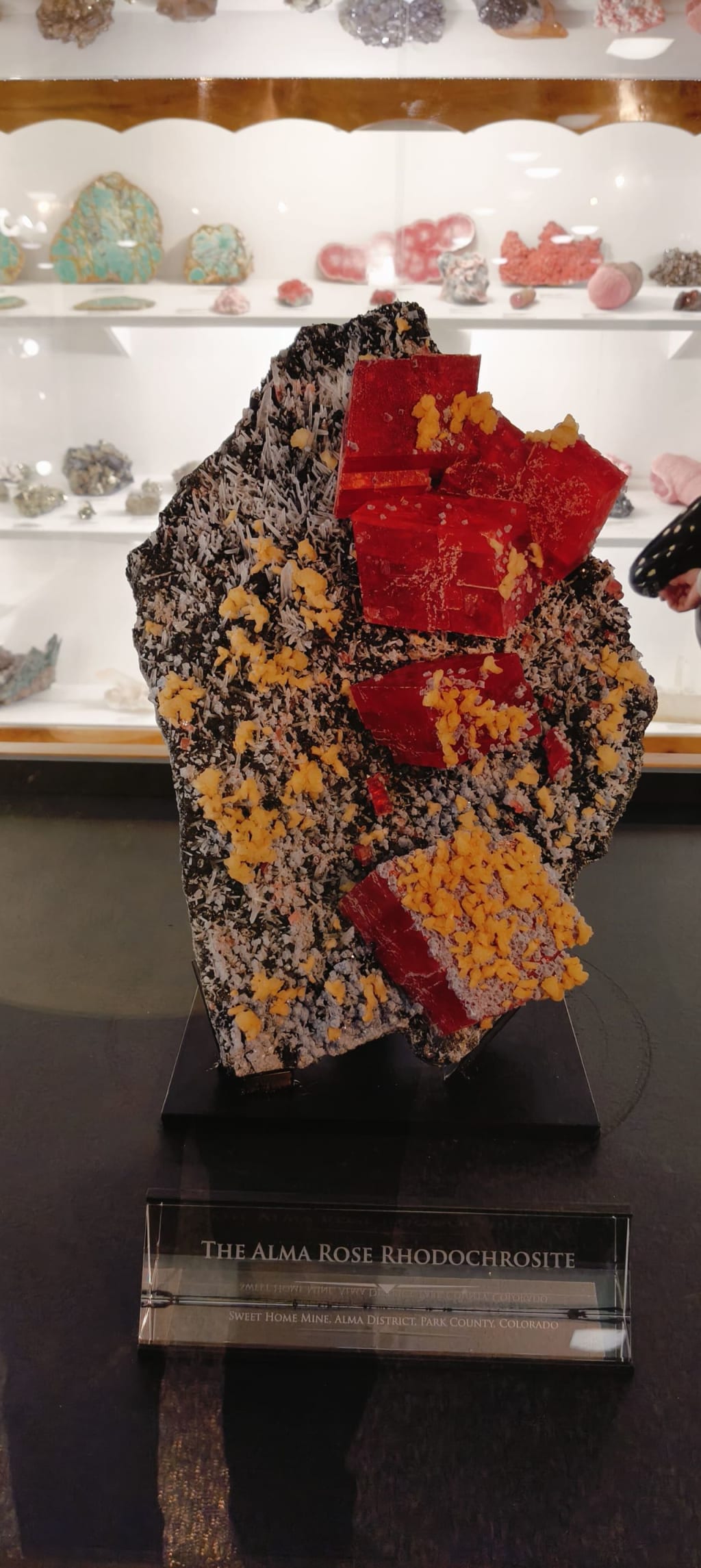
Nestled in the Pacific Northwest’s lush landscape, the Rice Museum of Rocks and Minerals stands as a testament to the beauty, complexity, and awe-inspiring nature of the Earth's geological wonders. Located just west of Portland, Oregon, this museum has been captivating visitors with its vast collection of minerals, gemstones, meteorites, and fossils since it first opened its doors in 1997.
What began as a labor of love by Richard and Helen Rice has grown into one of the most comprehensive geological collections in the country, designated as a National Historic Landmark in 2015.
This blog explores the museum’s formation, its significance in the field of geology, the unique beauty it offers, and the treasures that await any curious visitor.
The Foundation of the Rice Museum of Rocks and Minerals
The story of the Rice Museum begins with a personal passion for the Earth’s treasures.
Richard and Helen Rice were avid rock collectors who spent their lives amassing a unique collection of minerals, rocks, and gems.
Their fascination with geology spanned decades, with their collection growing from a small hobby into a renowned private repository.
The couple dreamed of sharing the wonders of Earth’s natural beauty with the public, hoping to inspire future generations of geologists, scientists, and enthusiasts.
In 1997, their dream became a reality when they transformed their personal collection into the Rice Museum of Rocks and Minerals.
Housed within their former family home, a beautiful building designed by Richard himself in a Pacific Northwest architectural style, the museum is a harmonious blend of natural beauty, education, and preservation.
The building itself is constructed from locally sourced timber, echoing the museum’s connection to the land.
Over the years, the museum has evolved from a family endeavor to a world-class institution. It continues to grow its collection, offering visitors access to over 20,000 specimens, some of which are among the finest of their kind.
From ancient fossils to dazzling gemstones, each artifact tells a story of the Earth’s formation and evolution.
Significance in the World of Geology
The Rice Museum plays a critical role in the geological community. As one of the most prominent rock and mineral museums in the United States, it offers more than just a display of natural beauty—it serves as an educational institution, fostering knowledge about the Earth’s history, processes, and resources.
One of the museum’s main missions is to promote public awareness and appreciation of geology. Through its exhibits, the museum introduces visitors to the processes that form the Earth’s landscape, from volcanic activity to the movement of tectonic plates.
It also highlights the importance of minerals in everyday life. Without minerals, there would be no buildings, smartphones, or even the food we eat, as minerals are critical components of soil fertility.
Furthermore, the museum actively collaborates with scientists and educational institutions, offering research opportunities and supporting geological studies.
Its vast collection, meticulously cataloged and preserved, provides a valuable resource for geologists, paleontologists, and mineralogists from around the world.
Perhaps one of the most significant features of the Rice Museum is its commitment to educating the next generation.
It offers various educational programs for school groups, teachers, and the general public, focusing on subjects like mineral identification, Earth sciences, and environmental conservation.
These programs aim to spark curiosity in young minds and cultivate a deeper understanding of the planet we call home.
The Beauty of Nature on Display
One step into the Rice Museum, and you are immediately struck by the overwhelming beauty and diversity of the specimens on display.
The museum’s carefully curated exhibits take visitors on a journey through time, illustrating the intricate and often dramatic processes that shape the Earth.
The Pacific Northwest Gallery showcases local geological treasures, including specimens from Oregon, Washington, and Idaho. Here, visitors can marvel at the stunning array of agates, thunder eggs, and petrified wood that are unique to the region.
The colors and patterns in these rocks are mesmerizing, each one a snapshot of a moment in geological history.
One of the most visually striking exhibits is the Fluorescent Mineral Gallery. When illuminated under ultraviolet light, these minerals glow in vivid hues of pink, green, orange, and blue, offering a surreal and otherworldly experience.
The phenomenon of mineral fluorescence is caused by certain elements and impurities within the rocks that emit visible light when exposed to UV radiation.
The Meteorite Exhibit transports visitors beyond the confines of Earth, showcasing fragments of celestial bodies that have traveled millions of miles through space before landing on our planet.
Holding a piece of a meteorite is like holding a tangible piece of the cosmos itself, a reminder of how vast and interconnected the universe is.
The museum also features an extensive collection of gemstones, including diamonds, emeralds, and rubies.
These precious stones, prized for their rarity and beauty, are the result of intense geological processes occurring over millions of years. The sparkle of a perfectly cut gem reveals the innate brilliance of nature’s craftsmanship, refined and polished to perfection.
What the Rice Museum Offers Us
The Rice Museum offers much more than a visual feast for rock and mineral enthusiasts; it offers a deeper connection to the natural world and a better understanding of the Earth's complex systems. Each exhibit reveals how intertwined our lives are with the geological forces that have shaped our planet over billions of years.
For those seeking knowledge, the museum provides a wealth of educational resources. Its well-organized displays offer an accessible introduction to geology, while the more in-depth exhibits cater to enthusiasts and professionals alike. The museum’s dedication to preserving rare and endangered mineral species ensures that future generations can continue to study and appreciate these natural treasures.
Beyond its scientific and educational value, the Rice Museum provides a place of wonder and inspiration. In a world increasingly disconnected from nature, the museum invites us to slow down, reflect, and marvel at the beauty that lies beneath our feet. Visitors often leave with a renewed sense of curiosity and appreciation for the Earth, recognizing the importance of preserving its natural resources for future generations.
"Within every rock lies a story of transformation; within every gem, a reflection of Earth's beauty. The Rice Museum invites us to read these stories and cherish the rare gems of nature." -Jassila
The Rice Museum of Rocks and Minerals is a shining gem in the Pacific Northwest, offering an unparalleled glimpse into the Earth's geological heritage.
Through its vast collection of minerals, fossils, and gemstones, the museum not only educates but also inspires visitors to see the world through the lens of geology. It reminds us that the Earth is more than just a planet—it is a living, evolving masterpiece shaped by time, pressure, and energy.
Whether you are a seasoned geologist or simply a lover of natural beauty, a visit to the Rice Museum promises to leave you awestruck by the incredible story of our planet.
About the Creator
Jassila
A passionate writer who seeks to unravel the mysteries of life and celebrate the diversity of human experience. Above all a dreamer, envisioning a future of love, success, and meaningful experiences.
When Two Young Stars Collided: A Cosmic Catastrophe from 500 Years Ago
About 500 years ago, a dramatic event unfolded in our galaxy when two young stars violently collided and destroyed each other. Although it happened centuries ago, astronomers have only recently been able to piece together the evidence of this cosmic catastrophe. The discovery has provided scientists with rare insights into how stars interact, evolve, and sometimes meet explosive ends.
By Irshad Abbasi 7 days ago in Earth



Comments
There are no comments for this story
Be the first to respond and start the conversation.