
A-76 The Newly Discovered Antarctic Iceberg
A-76: The Colossus of the Antarctic Ocean

A-76: The Colossus of the Antarctic Ocean
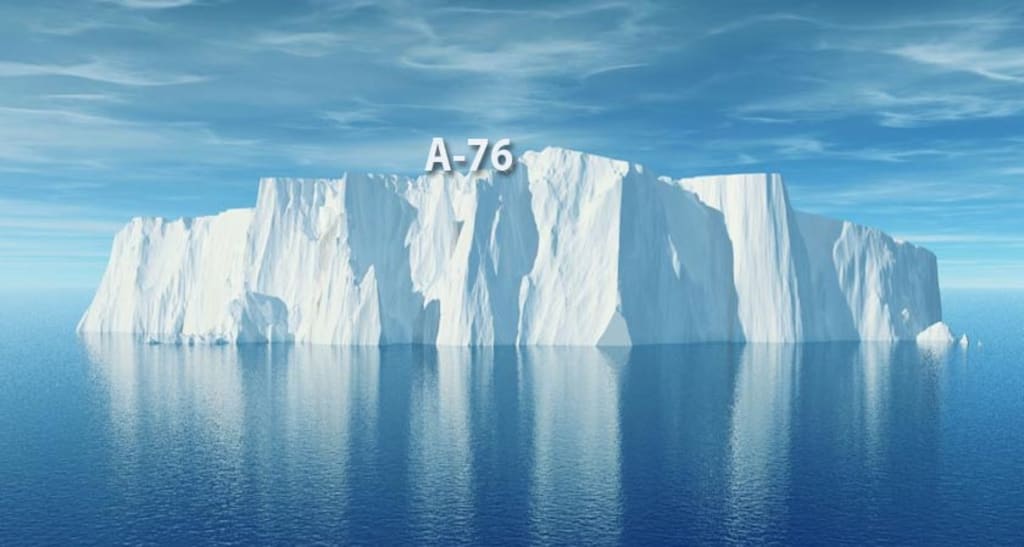
In the vast, frigid expanse of Antarctica, where the unyielding grip of ice and snow stretches as far as the eye can see, a monumental event unfolded in May 2021—a colossal iceberg, named A-76, was born. This towering behemoth, estimated to be around 1,668 square miles (4,320 square kilometers) in size, emerged from the Ronne Ice Shelf, making it one of the largest icebergs ever recorded in human history.
The story of A-76 begins within the heart of Antarctica, where a complex dance of ice, wind, and water shapes the continent's ever-changing landscape. The Ronne Ice Shelf, a massive expanse of floating ice extending into the Weddell Sea, has been a subject of scientific study for decades. It is here that the birth of A-76 took place, amidst the profound geological forces that define this frozen world.
The journey to the discovery of A-76 was a testament to the ingenuity of modern Earth observation technology. Satellites orbiting high above the Earth's surface captured images of the Ronne Ice Shelf, monitoring its stability and the intricate dynamics of the ice flow. It was through this satellite imagery that scientists first noticed a significant rift, a long and ominous crack that had formed within the ice shelf.
This rift was the precursor to the iceberg's birth—a slow and inexorable process that had been underway for years, if not decades. The rift slowly widened, driven by the relentless pressures of the ice and the relentless march of time. As the crack expanded, it signaled that a momentous event was on the horizon.
In May 2021, the inevitable occurred. The vast iceberg, A-76, finally calved from the Ronne Ice Shelf. The process was a dramatic spectacle of nature's power—a titanic chunk of ice, larger than many small countries, breaking free and setting sail in the frigid waters of the Antarctic Ocean.
A-76 was not alone in this endeavor; it joined a lineage of colossal icebergs that had calved from the Antarctic continent over the years. These behemoths, sculpted by the ceaseless forces of nature, held a unique allure for scientists, explorers, and the curious minds of the world. Their sheer size and power offered a glimpse into the grandeur and majesty of the natural world.
As A-76 ventured into the Antarctic Ocean, it embarked on a journey filled with uncertainty. Its colossal presence had the potential to disrupt shipping lanes, affecting maritime navigation in the region. Satellites continued to track its movements, providing crucial data to ensure the safety of vessels in the area.
The birth of A-76 also had broader implications for climate science. It served as a visible reminder of the ongoing changes occurring in Antarctica, where rising temperatures and shifting weather patterns were contributing to the destabilization of ice shelves. Understanding the behavior of icebergs like A-76 was vital for predicting future sea-level rise, a global challenge that had far-reaching consequences.
But amid the scientific data and the broader implications, there was also a sense of wonder and awe that A-76 inspired. It was a reminder that our planet was a dynamic, ever-evolving entity, shaped by forces beyond human control. The birth of such a colossal iceberg was a testament to the enduring mysteries of the natural world.
A-76 would continue its voyage, drifting through the Antarctic Ocean, its fate uncertain. Over time, it would undergo transformations, slowly breaking apart and melting as it encountered the warmer waters of the Southern Ocean. Its colossal mass would gradually diminish, and its journey would become part of the ongoing story of Antarctica's ice.
As A-76 ventured further into the Antarctic Ocean, it left a lasting impression on those who gazed upon its monumental form. It was a reminder of the profound forces that shaped our planet and the inherent beauty of the natural world. A-76, the colossus of the Antarctic Ocean, had come into existence as a testament to the ongoing wonders and mysteries of the icy realm at the bottom of the world.
In the annals of Antarctic exploration and scientific discovery, A-76 would be remembered as a testament to the enduring power and majesty of nature. It was a symbol of the delicate balance between the forces that shape our world and the relentless passage of time—an enduring legacy in the frigid waters of the Antarctic Ocean.
About the Creator
Raymark Marcos
A Writer and Guitarist
A son of God
A student who's doing a lot of side hustles to earn enough money to be able to go for college.
Keep reading
More stories from Raymark Marcos and writers in Earth and other communities.
Underwater Volcano Discovery
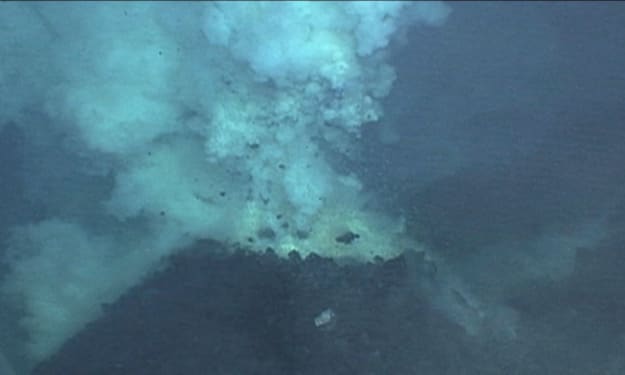
Kavachi: The Fiery Heart of the Abyss Beneath the tranquil waters of the South Pacific, where the sun-kissed surface belies the mysteries hidden in the depths, lies an enigmatic realm of fire and fury—a world where the Earth's restless heart pulses with elemental energy. In the year 2020, scientists and explorers embarked on a daring expedition that would unveil one of the ocean's most awe-inspiring secrets—the active underwater volcano named "Kavachi."
By Raymark Marcos2 years ago in Earth
Mount Sinai, the World’s Oldest Monastery, and the Prophet’s Letter: Faith, History, and a Controversial Development Plan
At a sacred site revered by Muslims, Christians, and Jews alike, an ambitious modernization project has stirred debate after reports of graves being relocated—raising questions about heritage, memory, and the cost of progress.
By Irshad Abbasi 4 days ago in Earth


Comments
There are no comments for this story
Be the first to respond and start the conversation.