
8.7 EARTHQUAKE NEAR RUSSIA
8.7 Earthquake near Russia, what that means, and is there tsunamis effecting Asia or America?

On July 29, 2025, the Earth shook violently beneath the Pacific Rim, sending shockwaves—literally and figuratively—across the globe. A massive 8.7 magnitude earthquake struck off the coast of Russia’s Kamchatka Peninsula, triggering tsunami warnings, advisories, and watches in multiple countries, from Japan to the U.S. West Coast.
In this blog, we break down what happened, what the risks are, and how different regions responded to the disaster.
📌 What Caused the Earthquake?
The 8.7 magnitude quake, initially recorded as an 8.0 by the USGS, occurred at a shallow depth of just 19 km (12 miles) below the ocean floor. It was centered roughly 80–85 miles southeast of Petropavlovsk-Kamchatsky, a major city in Russia’s Far East.
Shallow quakes like this are more dangerous because they transmit more energy to the surface—and when they happen under the ocean, they can trigger massive waves: tsunamis.
🌊 Tsunami Alerts Issued Around the Pacific
Russia (Kamchatka Region)
The region closest to the epicenter saw 3–4 meter tsunami waves hit parts of the coast. Panic and evacuations followed, but thankfully, no serious injuries were reported. Damage to property was still being assessed as of July 30.
Japan
Japan issued a tsunami advisory, especially for Hokkaido and the northern Pacific coast. Authorities predicted waves of up to 1 meter and urged people to move to higher ground. Emergency systems were activated across affected prefectures.
United States & Canada
Alaska: A tsunami warning was issued for parts of the Aleutian Islands. Waves were expected in areas like Shemya and Adak.
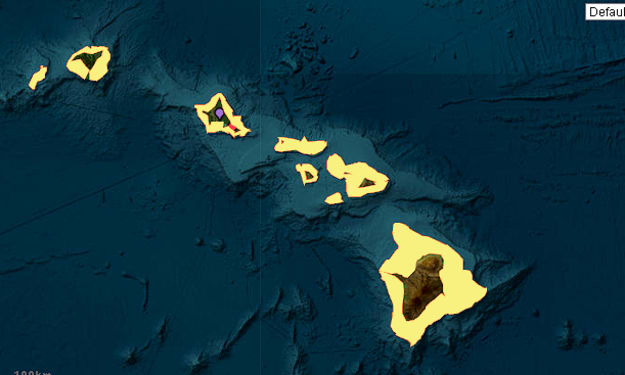
Hawaii: Initially under a tsunami watch, which was later canceled, though the state remained on high alert.
California, Oregon, Washington, and British Columbia: These areas fell under a tsunami watch. Authorities monitored sea level changes and warned coastal residents to stay alert.
Pacific Islands
Smaller islands like Guam, American Samoa, Midway, and even parts of the Philippines were also on high alert. While wave heights were predicted to be smaller (0.3–1 meter), the threat still prompted evacuations and emergency measures.
🧠 What You Need to Know About Earthquake-Induced Tsunamis
Earthquakes under the ocean floor displace huge volumes of water. When the seafloor shifts rapidly, the energy moves outward in all directions, forming waves that can travel at speeds of up to 500 mph (800 km/h).
Even if the earthquake itself doesn’t cause destruction in your area, the tsunami it creates might arrive hours later and still cause massive flooding, drowning, and infrastructure damage.
🗺️ Timeline Summary
Time (UTC) Event
23:24 UTC (July 29) 8.7 magnitude quake hits off Kamchatka
+15 mins Russia issues tsunami alerts and evacuates coastal towns
+45 mins Tsunami alerts expand to Japan, U.S. West Coast, and Pacific islands
+2 hrs Alaska experiences wave arrival
+6 hrs Japan sees minor coastal flooding in Hokkaido
+8 hrs West Coast of North America remains under watch, no major waves reported yet
💡 Safety Tips During a Tsunami Threat
Move to higher ground immediately after a strong earthquake near the coast.
Don’t wait for official alerts if you feel strong shaking and live near the ocean.
Avoid beaches and low-lying coastal areas until the all-clear is given—tsunami waves can come in multiple surges over hours.
Stay informed through NOAA, your country’s weather service, and official emergency alerts.
🔍 Final Thoughts
This earthquake is a powerful reminder of how quickly nature can shift from calm to catastrophic. While modern systems helped issue warnings and reduce casualties, the potential for devastation remains high—especially for vulnerable coastal communities.
Stay alert. Stay safe. And always have an emergency plan in place if you live near the sea.
Sources: USGS, NOAA Tsunami Warning Center, Japan Meteorological Agency, AP, The Guardian, BNO News, The Sun, ADN, SF Chronicle
About the Creator
Keep reading
More stories from Jayden Hua and writers in Earth and other communities.
HAWAII STRUCK BY TSUNAMI
Hawaii Braces for Tsunami Threat Following Great 8.8 Russian Quake Hawaii was put in Tsunami Warning on 29th July 2025, when a monstrous 8.8-magnitude rumble occurred near the Russian coast of the Kamchatka Peninsula. The 8.8-magnitude tremor that shook offshore in a seismically active region of the Pacific Ocean produced waves that passed through the sea's basin, forcing Hawaii to put its entire response for emergencies on high.
By Jayden Hua6 months ago in Earth
The Trees that Grow Gold in Their Leaves
I was reading a science journal article during my lunch break when I had to stop and reread a sentence three times. Eucalyptus trees in Australia were growing gold. Not attracting gold. Not sitting near gold. Actually growing it in their leaves.
By Marcus Briggs2 days ago in Earth
Trump’s Posturing Over Greenland Has Changed the Transatlantic Alliance Forever
In recent weeks, U.S. President Donald Trump’s aggressive stance on Greenland has sent shockwaves through Europe, prompting officials to warn that the transatlantic alliance may never return to its previous equilibrium. What began as heated discussions over Arctic strategy and territorial influence quickly escalated into a diplomatic standoff that tested the foundations of NATO, revealing tensions that European leaders say could have long-term consequences.
By Muhammad Hassan3 days ago in Earth
The Blue Ridge Stalker
Tom had left the Ford down the way, its spark plugs finally exhausted and no mechanics for a dozen miles back through the foothills to Strossburg. No matter, he had worn his boots—almost as if he planned for this to happen. The puzzle he sought to solve emanated from the woods clinging to the slopes above; the valley behind held no mysteries.
By Stephen A. Roddewig4 days ago in Fiction


Comments
There are no comments for this story
Be the first to respond and start the conversation.