
Trump’s Posturing Over Greenland Has Changed the Transatlantic Alliance Forever
European officials warn that U.S. actions over Greenland have reshaped diplomatic ties and tested NATO unity

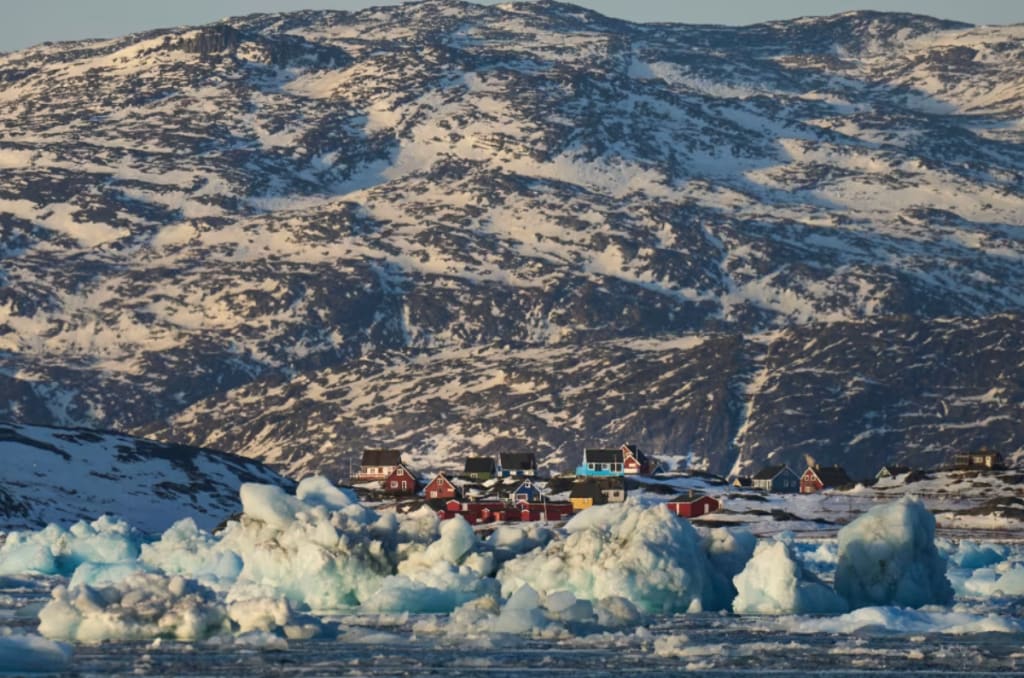
In recent weeks, U.S. President Donald Trump’s aggressive stance on Greenland has sent shockwaves through Europe, prompting officials to warn that the transatlantic alliance may never return to its previous equilibrium. What began as heated discussions over Arctic strategy and territorial influence quickly escalated into a diplomatic standoff that tested the foundations of NATO, revealing tensions that European leaders say could have long-term consequences.
Though Trump ultimately backed down from threats of tariffs and military measures, his actions have prompted European nations to reassess their trust in Washington and consider how best to protect their own strategic interests. This episode highlights the fragility of alliances built over decades and signals a new, more transactional phase in U.S.–European relations.
The Incident That Shook Europe
The crisis centered on Greenland, a vast Arctic territory governed by Denmark but of significant strategic interest to the United States. During high-level discussions at the World Economic Forum in Davos, Trump suggested expanding U.S. influence in Greenland, sparking heated debate and even threats of tariffs against nations that opposed his proposals.
European officials described a period of “chaos and confusion” as the United States publicly floated ideas for permanent access to the island and hinted at potential economic and military pressure to achieve its goals. One European diplomat remarked that the situation had “shaken confidence in Washington’s consistency and challenged our assumptions about longstanding cooperation.”
While the U.S. eventually agreed to a vague framework for Arctic security cooperation and abandoned tariff threats, the diplomatic rupture exposed underlying vulnerabilities in the transatlantic alliance. It became clear that decades of assumed mutual understanding could be strained by unilateral action, even by a long-standing partner.
Trust Erosion and Alliance Strains
European leaders have expressed concern that the Greenland episode has eroded trust between the United States and its allies. European Council President Charles Michel stated that the events “demonstrate that the relationship as we’ve known it for decades is fundamentally altered,” underscoring the depth of concern among officials.
Historically, NATO and the broader U.S.–Europe partnership relied on shared values, predictable diplomacy, and mutual strategic planning. However, the Greenland standoff revealed that these norms can quickly be tested when high-stakes territorial and security interests collide with unilateral U.S. posturing.
Finnish President Alexander Stubb highlighted the emerging tension, noting that while Europe and the U.S. share democratic values and long-standing defense commitments, divergent approaches to multilateralism versus transactional diplomacy are pushing the alliance toward a more uncertain future.
Divisions Within Europe
The incident also revealed differences within the European Union over how to respond. Some leaders advocated for unequivocal support for Denmark and NATO processes, while others suggested that Europe must develop greater strategic autonomy to protect its own interests in situations where U.S. actions may be unpredictable.
At an emergency EU summit convened to discuss the issue, European Council President António Costa and European Commission President Ursula von der Leyen stressed the importance of unity but also acknowledged the need for Europe to assert itself in critical strategic matters. Denmark and Greenland made it clear that their sovereignty over the territory is “non-negotiable,” emphasizing that international law and territorial integrity cannot be overridden by diplomatic pressure.
NATO’s Role in Diffusing Tensions
NATO Secretary-General Mark Rutte, often referred to as a “Trump whisperer,” played a critical role in calming the situation. Through behind-the-scenes negotiations, Rutte helped secure the U.S. retreat from threatened tariffs and encouraged a compromise that prevented a full rupture in transatlantic relations.
While the immediate crisis was defused, multiple European officials stressed that the incident exposed long-standing vulnerabilities. Trust, they argued, cannot be rebuilt overnight, and future cooperation will require careful management, especially when unilateral actions challenge agreed-upon norms.
Why Greenland Matters
Greenland’s strategic significance cannot be understated. The island sits at a critical point in the Arctic, with increasing importance due to melting ice, potential shipping lanes, and access to natural resources. Control or influence over Greenland offers strategic advantages for military and intelligence operations in the Arctic — a region where Russia and China are also expanding their presence.
Trump’s position on Greenland was framed as a measure to bolster U.S. security and counter emerging global competition. However, European nations emphasized that any cooperation must respect sovereignty, reinforcing the principle that alliances cannot override national authority without consultation.
What This Means for Transatlantic Relations
The Greenland episode has fundamentally altered how European leaders view the U.S.-Europe partnership. Previously assumed norms of consultation and collaboration have been tested, highlighting a shift toward a more transactional U.S. foreign policy.
European officials now see a need to plan for contingencies in which the U.S. may act unilaterally, suggesting that Europe must strengthen its own strategic capabilities. While NATO remains a central pillar of transatlantic security, the Greenland crisis has prompted renewed discussions on balancing collective defense with European autonomy.
Moving Forward
Looking ahead, both the United States and Europe face the task of recalibrating their alliance. While mutual security interests remain strong, the Greenland incident demonstrates that maintaining trust will require constant effort and engagement.
European leaders continue to stress the importance of NATO as a forum for negotiation, but they are also taking steps to enhance Europe’s capacity to act independently when needed. The hope is that lessons learned from Greenland will foster more resilient cooperation, even in the face of unpredictability from partners.
Conclusion
Donald Trump’s posturing over Greenland may not have destroyed the transatlantic alliance, but it has reshaped it in fundamental ways. Trust has been tested, strategic assumptions challenged, and Europe is now more cautious in its reliance on the United States.
The crisis serves as a reminder that even longstanding alliances require vigilance, diplomacy, and respect for sovereignty to endure. As both sides adapt to this new reality, the Greenland episode may ultimately prompt a more balanced, strategic, and cautious approach to U.S.–European cooperation in the years ahead.
About the Creator
Muhammad Hassan
Muhammad Hassan | Content writer with 2 years of experience crafting engaging articles on world news, current affairs, and trending topics. I simplify complex stories to keep readers informed and connected.
Keep reading
More stories from Muhammad Hassan and writers in Earth and other communities.
Falling Branch Victim’s Foundation ‘Will Help Kids’
A sudden tragedy has inspired a powerful initiative. Following the unfortunate death of a young child who was struck by a falling tree branch in a local park, the child’s family has launched a foundation dedicated to helping children and promoting safety in public spaces. The foundation, announced just weeks after the incident, aims to turn grief into meaningful action while raising awareness about community safety and supporting families in need.
By Muhammad Hassanabout 19 hours ago in Earth
Half of World’s CO2 Emissions Come From Just 32 Fossil Fuel Firms, Study Shows
A groundbreaking new study has revealed that 32 fossil fuel companies are responsible for half of global carbon dioxide emissions since the industrial era began. The findings highlight the outsized influence of major oil, gas, and coal producers on climate change, and raise urgent questions about accountability, regulation, and the transition to cleaner energy.
By Aarif Lashari3 days ago in Earth
Plans Lodged for Assembly Rooms Replacement
Plans have been officially lodged for the replacement of the iconic Assembly Rooms, marking a major step in the transformation of one of the city’s most cherished cultural and social landmarks. The move aims to preserve the legacy of the site while creating a modern, versatile venue capable of hosting contemporary events, conferences, and community gatherings.
By Aarif Lashari4 days ago in Earth



Comments
There are no comments for this story
Be the first to respond and start the conversation.