
7 Benefits of Switching to Artificial Grass for Your Lawn
Artificial Grass
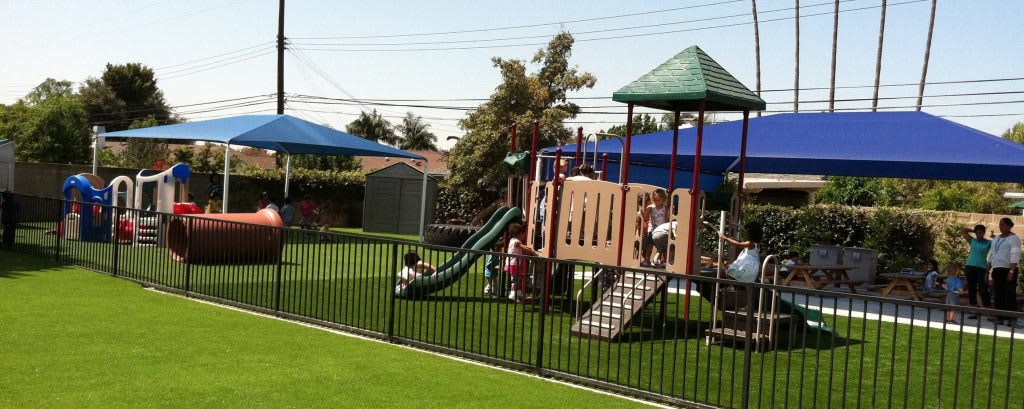
Artificial grass has become an increasingly popular alternative to natural grass for homeowners looking to enhance their lawns. With advancements in technology, synthetic turf now looks and feels more like the real thing than ever before. Here are seven compelling benefits of making the switch to artificial grass:
1. Low Maintenance
One of the most significant advantages of artificial grass is its low maintenance requirements. Unlike natural grass, which demands regular mowing, watering, and fertilizing, artificial grass stays lush and green with minimal effort. Homeowners no longer need to spend hours each week tending to their lawns. There's no need for weeding, applying pesticides, or dealing with dead patches. This can save homeowners both time and money in the long run, allowing for more leisure time and reducing the cost associated with lawn care.
2. Water Conservation
Artificial grass does not require watering, which makes it an excellent choice for water conservation. In regions prone to droughts or with water restrictions, switching to artificial grass can lead to substantial reductions in water usage, helping to preserve this vital resource. The average lawn can consume thousands of gallons of water annually, especially in hot, dry climates. By switching to artificial grass, homeowners can significantly cut down their water bills and contribute to environmental conservation efforts. This makes artificial grass an eco-friendly choice in areas where water scarcity is a concern.
3. Durability and Longevity
Artificial grass is designed to withstand heavy use and harsh weather conditions. It doesn't get muddy or develop bald spots, making it a durable option for families with children and pets. High-quality artificial grass can last up to 15 years or more, providing a long-term solution for a pristine lawn. Whether it's the hot summer sun or a cold winter frost, artificial grass maintains its integrity and appearance, ensuring that your lawn looks great year-round. This durability means that homeowners do not have to worry about constant repairs or replanting, further adding to the convenience.
4. Allergen-Free Environment
For those who suffer from grass pollen allergies, artificial grass can provide relief. It eliminates the presence of pollen and other allergens commonly found in natural grass, creating a more comfortable outdoor space for allergy sufferers. Pollen from natural grass can cause sneezing, itchy eyes, and other allergic reactions, which can significantly impact the quality of life for allergy sufferers. By switching to artificial grass, you can enjoy your lawn without the worry of triggering allergic reactions, making it a healthier choice for many families.
5. Consistent Aesthetic Appeal
Artificial grass maintains its vibrant green color and manicured appearance year-round, regardless of weather conditions. It doesn't suffer from the seasonal changes that affect natural grass, ensuring your lawn looks immaculate in every season. During dry spells or cold winters, natural grass can turn brown and unsightly, but artificial grass remains visually appealing. This consistency in appearance can enhance the overall curb appeal of your home, making it look well-maintained and attractive at all times. The visual appeal of a perfectly manicured lawn can also increase property values.
6. Eco-Friendly Option
While the initial production of artificial grass involves synthetic materials, its long-term environmental benefits are significant. The reduced need for water, fertilizers, and pesticides, as well as the elimination of gas-powered lawn equipment, contribute to a lower carbon footprint. Gas-powered mowers and other lawn equipment emit harmful pollutants, but with artificial grass, these emissions are eliminated. Some artificial grass products are also made from recycled materials, further enhancing their eco-friendliness. Additionally, eliminating the use of chemical fertilizers and pesticides contributes to a healthier environment, as these substances can contaminate soil and water sources.
7. Cost-Effective in the Long Run
Although the upfront cost of installing artificial grass can be higher than laying natural sod, the long-term savings are considerable. Without the need for constant lawn care, watering, and replanting, homeowners can save money on maintenance expenses over the years. The durability and low upkeep make it a cost-effective investment for the future. When you factor in the costs of regular lawn care, water bills, and potential repairs or replanting of natural grass, artificial grass emerges as a financially savvy option. Over its lifespan, artificial grass can pay for itself through the savings it generates, making it an economically sensible choice for many homeowners.
Conclusion
Switching to artificial grass offers numerous benefits, from reduced maintenance and water conservation to creating a consistently beautiful and allergen-free lawn. Its durability, eco-friendliness, and long-term cost savings make it an attractive option for homeowners looking to enhance their outdoor spaces. With artificial grass, you can enjoy a lush, green lawn without the hassle and expense of traditional grass upkeep. This transition not only enhances the aesthetic appeal of your property but also contributes to a more sustainable and convenient lifestyle.
About the Creator
Reader insights
Nice work
Very well written. Keep up the good work!
Top insight
Expert insights and opinions
Arguments were carefully researched and presented
Keep reading
More stories from John Shawn and writers in Earth and other communities.
The Ongoing Search for Water on Mars
For decades, scientists have been fascinated by the possibility of water on Mars. Known for its dry, dusty landscape and reddish appearance, Mars was once thought to be a completely barren world. However, modern discoveries have revealed that the planet may have once had abundant water—and scientists are still searching for evidence of it today.
By Irshad Abbasi 5 days ago in Earth


Comments (2)
Excellently written
great content nice. wow very creative ideas