
6 unforgettable wildlife adventures in South Africa
Detailed information about south Africa adventure

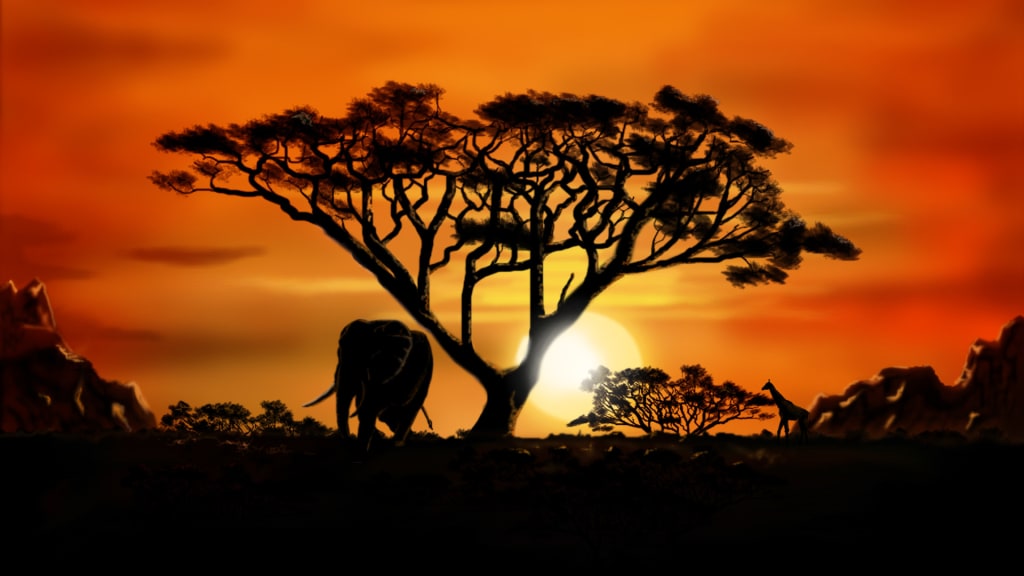
1. Walking with African Elephants: An Unforgettable Experience
Walking with African elephants is more than just an interaction. It's an immersive journey into the world of one of nature's most intelligent and majestic creatures. This activity combines close encounters with education and conservation, offering a deeper understanding of these gentle giants while supporting their protection. Here’s everything you need to know about this enriching wildlife adventure.
The Experience: What to Expect
Walking with elephants allows you to observe these animals up close in a controlled and ethical environment. These walks typically occur in sanctuaries or reserves dedicated to the care and rehabilitation of elephants rescued from adverse conditions. Visitors can join the elephants as they roam through their natural habitats, observing their behavior, feeding patterns, and social interactions.
Highlights include:
Guided Walks: Experienced guides provide insights into elephant biology, behavior, and the challenges they face in the wild.
Physical Proximity: Touching an elephant’s thick, wrinkled skin and marveling at their sheer size offers a tactile connection that leaves a lasting impression.
Observation: Witnessing elephants foraging or playing in mud pools provides a glimpse into their daily lives.
Learning Opportunities: Educational talks often accompany these walks, shedding light on the importance of conservation.
Ethical Considerations
The welfare of the animals is the top priority for reputable establishments offering these experiences. Ethical sanctuaries focus on:
Rescue and Rehabilitation: Elephants are often rescued from circuses, logging industries, or poaching threats.
No Harm Policies: Activities like riding elephants, which can harm their spines, are strictly prohibited.
Natural Behavior: The elephants are allowed to express their natural behaviors without coercion or human interference.
Notable Destinations in South Africa
South Africa is home to several renowned elephant sanctuaries and reserves that offer walking experiences:
The Elephant Sanctuary, Plettenberg Bay
Located along the Garden Route, this sanctuary provides an intimate experience with rescued elephants. Visitors can walk trunk-in-hand with the elephants and learn about their life stories.
Camp Jabulani, Kapama Private Game Reserve
Known for its luxury offerings, Camp Jabulani combines conservation with a premium experience. The camp supports rescued elephants through its activities.
Knysna Elephant Park
South Africa’s first elephant orphanage, this park offers walking tours where visitors can observe elephants living freely in a semi-wild environment.
The Role of Conservation
Walking with elephants is not just about the experience; it’s also a step toward their protection. Funds generated from these activities often go directly to conservation efforts, including:
Anti-Poaching Initiatives: Supporting rangers who protect elephants from poachers.
Habitat Restoration: Ensuring elephants have sufficient, safe areas to roam.
Community Outreach: Educating local communities about the importance of elephant conservation.
Why It’s Transformative
Walking beside these massive yet gentle creatures is a moving experience. It fosters a sense of connection and responsibility, encouraging participants to become advocates for elephant conservation. The memories created during these walks are not only unforgettable but also serve as a reminder of our shared duty to protect the planet’s wildlife
2. Canoe and Horseback Safaris: A Unique Perspective on Africa's Wilderness
Safaris in Africa are not limited to game drives; they also include unique experiences like canoe and horseback safaris. These alternatives provide an intimate and adventurous way to explore the continent’s breathtaking landscapes, get closer to wildlife, and appreciate the environment from different perspectives. Here’s a detailed guide to these extraordinary safari experiences.
Canoe Safaris: Gliding Through the Waterways
Canoe safaris allow you to navigate Africa’s rivers, deltas, and lakes quietly, often providing a closer and more immersive experience with nature than traditional safaris. These safaris are conducted in stable canoes or kayaks and are led by experienced guides who ensure safety while interpreting the surrounding environment.
Key Highlights of Canoe Safaris
Intimate Wildlife Encounters:
Canoe safaris let you see hippos, crocodiles, elephants, and water birds up close. They gather around water sources.
The quiet canoe approach means less disturbance. This often leads to unique sightings.
Serenity and Scenery:
Floating on calm waterways is serene. You see stunning reflections of the sky and vegetation.
These safaris go through areas vehicles can't reach. Like narrow channels or floodplains.
Adventure and Thrill:
Being close to wildlife like hippos and crocodiles is exciting.
Navigating rapids or shallow areas is fun. It's a challenge under a pro's guidance.
Top Canoe Safari Destinations
Zambezi River, Zambia/Zimbabwe:
The lower Zambezi is a top spot for canoe safaris. You'll see elephants, hippos, and many birds.
Okavango Delta, Botswana:
In this UNESCO World Heritage Site, mokoros (traditional dugout canoes) are used. You glide through the delta's waterways, surrounded by lush vegetation and wildlife.
Selinda Spillway, Botswana:
This seasonal waterway connects the Okavango Delta with the Linyanti Swamps. It offers stunning landscapes and wildlife viewing.
Lake Naivasha, Kenya:
This freshwater lake is surrounded by papyrus swamps. It provides opportunities to see hippos, fish eagles, and other aquatic wildlife.
Safety Considerations
Canoe safaris are safe with trained guides. They know animal behavior and water conditions.
Everyone wears life jackets. Guides carry safety equipment, including first-aid kits.
Horseback Safaris: Riding Among the Herds
Horseback safaris are thrilling. They let you blend into the environment and observe wildlife without vehicle noise or barriers. They're great for experienced riders, but some places welcome beginners too.
Key Highlights of Horseback Safaris
Unique Wildlife Perspective:
Wildlife sees horses as non-threatening. This lets riders get close to animals like zebras, giraffes, and antelope.
The view from horseback is great for spotting wildlife.
Access to Remote Areas:
Horses can go where vehicles can't. Like dense bush or rocky landscapes.
Riders can explore remote areas. This offers a sense of exclusivity and adventure.
Connection with Nature:
Riding through the wilderness is immersive. It connects you with nature through the horse’s movements.
Top Horseback Safari Destinations
Maasai Mara, Kenya:
Horseback safaris in the Maasai Mara offer a close look at the reserve’s vast plains. You can see the Great Migration up close.
Okavango Delta, Botswana:
The delta is great for horseback safaris through its seasonal floodplains. It's a chance to see both aquatic and land-based wildlife.
Tuli Block, Botswana:
This area is known as the “Land of Giants.” It's perfect for horseback safaris among large herds of elephants and other wildlife.
Waterberg, South Africa:
This malaria-free area is great for families. It offers horseback safaris through diverse terrains, from forests to savannas.
Safety and Skill Requirements
Riders are matched with horses based on their skill level. Guides ensure groups are small and manageable.
Safety gear, including helmets, is provided. Guides are trained in first aid and handling wildlife encounters.
Why Choose Canoe or Horseback Safaris?
These safaris offer unique benefits compared to traditional game drives:
Intimacy: Canoe or horseback safaris let you connect closely with the environment and wildlife.
Sustainability: They are eco-friendly options with minimal environmental impact.
Adventure and Excitement: The unpredictability adds a thrill, making each safari unique.
Planning Your Safari
Physical Fitness:
Canoe safaris need moderate upper body strength. Horseback safaris require riding experience and stamina.
Packing Essentials:
Lightweight, breathable clothing, sunscreen, and insect repellent are key for both safaris.
Choosing the Right Operator:
Choose operators with strong safety records, experienced guides, and positive reviews.
A Journey Like No Other
Canoe and horseback safaris are unforgettable for adventure seekers and nature lovers. They offer freedom, closeness to wildlife, and a chance to explore Africa’s wild landscapes. Whether paddling through calm waters or riding with herds, these adventures create lasting memories.
Need help planning an itinerary or operator recommendations? Let me know!
3. Hot Air Balloon Safaris: A Majestic Journey Over South Africa
Hot air balloon safaris are a thrilling way to see South Africa's varied landscapes and wildlife. They mix calm with adventure, giving a special view of the country's beauty. Here's why hot air balloon safaris are a top choice for travelers.
The Experience: What Awaits You
Hot air balloon safaris start early, just before sunrise. As the balloon goes up, the world below turns into a golden canvas. The sun's glow lights up the savannas, mountains, and rivers.
Key Highlights:
Aerial Views of Wildlife: See animals like giraffes, elephants, zebras, and antelope from above. They often move in herds or graze peacefully.
Panoramic Scenery: Enjoy South Africa's diverse landscapes, from grasslands to cliffs and wetlands.
Serene Atmosphere: The balloon's gentle drift offers a peaceful, meditative experience. It's quiet, away from engine sounds and crowds.
Champagne Breakfasts: Many safaris end with a luxurious breakfast in the open air. You might even get a glass of champagne to celebrate.
Best Locations in South Africa for Hot Air Balloon Safaris
South Africa has many great spots for hot air ballooning. Each place has its own landscapes and wildlife:
The Magaliesberg Mountains (Cradle of Humankind)
Just outside Johannesburg, this area is famous for its geology and history. See hills, river valleys, and ancient rock formations. You might spot impalas and wildebeests.
Pilanesberg National Park
This park is malaria-free and home to the Big Five. Balloon safaris here show off volcanic craters and a wide range of plants and animals.
Hazyview (Mpumalanga)
Close to Kruger National Park, Hazyview's lush landscapes and wildlife make it perfect for ballooning. See misty valleys and rivers full of life.
Addo Elephant National Park
Known for its elephants, this park in the Eastern Cape offers a special view of these giants. The surrounding citrus orchards add beauty.
The Best Time to Go
The dry season, from May to October, is the best time for hot air balloon safaris. The cooler weather and clear skies make for great flying. Early morning is best, when the air is calm and wildlife is active.
Why Choose Hot Air Balloon Safaris?
Hot air balloon safaris are special because they offer a unique view of wildlife and landscapes. They're also eco-friendly and great for photography:
Unique Perspective: Seeing wildlife from above shows behaviors and movements you can't see on the ground.
Eco-Friendly Adventure: Balloons are quiet and don't harm the environment, making them a green way to explore.
Ideal for Photography: The view from above and the soft morning light are perfect for taking amazing photos of landscapes and wildlife.
What to Know Before You Go
Safety: Ballooning is safe when done by licensed operators. Make sure the provider follows international safety standards.
Duration: The flight lasts about an hour. The whole experience, including breakfast, takes 3-4 hours.
Cost: Hot air balloon safaris in South Africa cost between $200 to $400 per person. Prices vary by location and what's included.
The Transformative Impact
A hot air balloon safari is more than just an adventure. It's a moment of connection with nature. The silence, the views, and the feeling of floating above the world are deeply moving. For many, it's the highlight of their trip to South Africa and a memory they cherish forever.
Looking for specific operators or packages for your hot air balloon safari? Let me know!
4. Night Safaris in Africa: A Thrilling Nocturnal Adventure
Night safaris in Africa let you explore the wilderness at night. They reveal the secret lives of nocturnal creatures and offer a unique view of the African bush. With expert guides and special equipment, you can see the raw drama of nature after sunset. Here's a closer look at this exciting experience.
What Are Night Safaris?
Night safaris are guided game drives or walks after dusk, lasting 2-3 hours. They let you see nocturnal animals in their natural habitats. With a spotlight, guides help you spot animals and share interesting facts about their behaviors and adaptations.
What Makes Night Safaris Unique?
Nocturnal Wildlife: Many animals, like lions, leopards, and hyenas, are more active at night. You can also see rare creatures like aardvarks, bush babies, and genets that are hard to spot during the day.
Enhanced Sensory Experience: The African bush is different at night. The sounds of insects, distant roars, and rustling leaves create a unique auditory experience.
Predator-Prey Dynamics: Night is when predators hunt. Seeing a lion stalk its prey or a leopard descend from a tree with its kill is unforgettable.
Starry Skies: Many night safaris offer stunning views of the African night sky. The sky is often unpolluted and full of stars.
Where to Experience Night Safaris in Africa
Several countries in Africa are known for their night safari offerings. Here are some top destinations:
Kruger National Park, South Africa
Kruger is famous for its night drives. Visitors can see the Big Five under the stars. The park's diverse ecosystems also attract nocturnal birds.
Okavango Delta, Botswana
The Okavango Delta is known for its water-based safaris. But night drives in the surrounding reserves offer a chance to see rare nocturnal animals like pangolins and servals.
Masai Mara, Kenya
Night safaris in the Masai Mara are often private. They are conducted in conservancies next to the main reserve. These safaris provide opportunities to see predators at their most active.
Luangwa Valley, Zambia
South Luangwa National Park is famous for its night drives. Visitors can see leopards hunting, hippos grazing, and the vibrant nightlife of the bush.
Serengeti National Park, Tanzania
While night safaris are limited in many parts of the Serengeti, private reserves on the park's periphery offer exceptional after-dark experiences.
What to Expect on a Night Safari
Preparation:
Dress warmly, as temperatures drop significantly after sunset.
Carry a good camera with a low-light lens if you wish to capture the nocturnal wonders.
Wear neutral colors to blend into the environment.
The Drive:
Safaris are conducted in open vehicles equipped with spotlights. A tracker or guide will use the spotlight to reveal animals' reflective eyes or movement in the dark.
Silence is encouraged to avoid disturbing the animals and to enhance the experience.
Safety:
Night safaris are led by experienced guides who are trained to handle unexpected encounters with wildlife.
Participants are advised to remain seated and follow the guide’s instructions at all times.
Wildlife to Look Out For
Night safaris reveal a wide range of nocturnal species that are seldom active during the day. Some of the animals you might encounter include:
Predators: Lions, leopards, hyenas, and jackals.
Small Carnivores: Civets, genets, and African wildcats.
Herbivores: Bushbucks and porcupines.
Reptiles: Pythons, chameleons, and crocodiles.
Birds: Owls, nightjars, and bat hawks.
Eco-Friendly Practices
Many reserves emphasize responsible tourism during night safaris to minimize the impact on wildlife. This includes:
Limiting the number of vehicles allowed on night drives.
Using low-intensity spotlights to avoid distressing animals.
Following strict guidelines to prevent disruption of natural behaviors.
Why Night Safaris Are Unforgettable
Night safaris offer a thrilling and intimate glimpse into the hidden world of the African wilderness. The contrast between the silence of the night and the sudden activity of animals creates an atmosphere of suspense and excitement. For many, the experience is a highlight of their African adventure, offering stories to share and memories that last a lifetime.
Would you like recommendations for specific operators or tips for planning your night safari? Let me know!
5. Photography Safaris: Capturing the Wild Beauty of Africa
A photography safari is a dream journey for amateur and professional photographers alike, offering unparalleled opportunities to capture the essence of Africa’s wildlife, landscapes, and culture. These safaris are designed to cater to photographers’ unique needs, providing access to prime locations, expert guidance, and the ideal conditions for creating stunning images.
What Is a Photography Safari?
Photography safaris differ from traditional safaris by focusing on maximizing opportunities for high-quality photography. Guides and vehicles are adapted to meet the specific needs of photographers, ensuring unobstructed views, flexible schedules, and ample time to capture images in the best lighting conditions.
Key Features:
Custom Vehicles: Many tours use open-sided vehicles or ones equipped with camera mounts for stability.
Expert Guides: Photographers benefit from guides who understand animal behavior and can predict movements, positioning participants for the perfect shot.
Focus on Golden Hours: Safaris are planned around sunrise and sunset, the times when light is soft and wildlife is most active.
Small Groups: Smaller groups ensure that each participant has enough space and personal attention.
Top Destinations for Photography Safaris
Africa offers a diverse range of landscapes and wildlife, making it a haven for photographers. Here are some of the best destinations for photography safaris:
Masai Mara, Kenya
This reserve is famous for the Great Migration. You'll see wildebeests crossing rivers and predators in action. The wide plains are perfect for wildlife photos.
Serengeti National Park, Tanzania
The Serengeti is known for its endless savannas and diverse ecosystems. It's a great place to see the Big Five, cheetahs, and large herds of animals.
Okavango Delta, Botswana
This UNESCO World Heritage site is perfect for water-based photography. You'll see hippos, crocodiles, and many bird species.
Etosha National Park, Namibia
Etosha's stark landscapes offer unique contrasts. You can capture animals like lions and elephants against salt pans and dry plains.
Kruger National Park, South Africa
Kruger has well-maintained infrastructure and lots of wildlife. It's great for photographers of all levels, offering easy access to many species.
Skeleton Coast, Namibia
Photographers love this area for its surreal desert landscapes and shipwrecks. It's also home to desert-adapted wildlife like elephants and lions.
Types of Photography Safaris
Wildlife Photography Safaris
These safaris focus on capturing Africa's iconic animals in their natural habitats. They often go to areas with lots of predators and prey.
Bird Photography Safaris
These trips are perfect for bird lovers. You'll see Africa's diverse birdlife, from colorful kingfishers to majestic eagles.
Landscape Photography Safaris
These safaris are great for capturing Africa's dramatic scenery. You can photograph sand dunes, mountain peaks, or the lush Okavango Delta.
Cultural Photography Safaris
These safaris let you photograph indigenous communities, markets, and traditional ceremonies. They offer a glimpse into Africa's human side.
Essential Photography Tips
Gear Checklist:
Camera: A DSLR or mirrorless camera with manual settings is best.
Lenses: Use a telephoto lens (200mm–600mm) for wildlife and a wide-angle lens (16mm–35mm) for landscapes.
Tripod/Monopod: They help with stability in low light.
Extra Batteries and Memory Cards: Safaris can be long, and power outlets may not be available.
Know Your Settings:
Use a fast shutter speed (1/1000 or higher) to freeze animal movement.
Adjust ISO to balance light and noise, especially during sunrise or sunset.
Try different apertures to control depth of field and highlight your subject.
Patience and Timing:
Great photos often require waiting for the perfect moment. Be patient and observe animal behavior closely.
Respect Wildlife:
Keep a safe distance and avoid using flash to ensure animals are not disturbed.
Why Choose a Photography Safari?
Photography safaris offer a unique and enriching way to experience Africa. They allow more time for photographers to compose shots, wait for ideal lighting, and try creative angles. This focus on capturing moments leads to a deeper connection with the environment.
Eco-Friendly Practices
Good photography safari operators care about the planet and animals:
Eco-Lodges: They stay in places that use green energy and help local people.
Responsible Tourism: They follow rules to see wildlife without harming it or its home.
Memories That Last Forever
Photos from a safari are more than pictures. They are stories and feelings captured forever. Imagine a lion against the sunset or an elephant in a river. These photos are precious memories of Africa's magic.
Want tips on photography safaris or what gear to bring? Let me know!
6. Walking Safaris with Expert Trackers: A Thrilling Way to Connect with the Wild
Walking safaris are exciting and close to nature. Unlike car rides, they let you feel the bush up close. You'll learn about animals and tracking from experts.
What Are Walking Safaris?
Walking safaris are tours on foot in Africa. They let you see nature up close. Guides keep you safe and teach you about the environment.
Key Features:
Immersion in Nature: Walking safaris are closer to nature than car rides.
Focus on Small Details: They show the tiny parts of nature often missed.
Excitement of Discovery: Every step could lead to a wild encounter.
The Role of Expert Trackers
Expert trackers are key on walking safaris. They know how to:
Reading Tracks: Find animals by their tracks and signs.
Animal Behavior: Predict how animals will act.
Bush Knowledge: Teach about plants, animals, and the ecosystem.
Ensuring Safety: Keep visitors safe by avoiding danger.
Best Destinations for Walking Safaris
South Luangwa National Park, Zambia
It's the place where walking safaris started. You'll see amazing animals and landscapes.
Kruger National Park, South Africa
Private areas like Timbavati and Sabi Sands offer great walks. You can see the Big Five and learn about the ecosystem.
Mana Pools National Park, Zimbabwe
It's a UNESCO site for experienced walkers. Guides show you big animals like elephants and wild dogs.
Selous Game Reserve, Tanzania
Selous has big areas to explore on foot. Guides show you animals and birds near the Rufiji River.
Okavango Delta, Botswana
It's famous for water safaris but also has walking tours. You'll see many animals and birds.
What to Expect on a Walking Safari
Preparation:
Physical Fitness: You need some fitness for the walks, which are about 3-5 kilometers.
Clothing: Wear neutral colors, comfy shoes, and a hat.
Equipment: Bring water, binoculars, and a camera but keep it light.
The Walk:
Walks are in small groups for a personal touch and to protect the environment.
Expert trackers show you animal tracks and other signs of wildlife.
Guides tell interesting stories and facts about plants, animals, and local culture.
Wildlife Encounters:
Though the focus is on details, you might see big animals like elephants and lions.
Trackers make sure these encounters are safe and respectful.
Safety Considerations
Walking safaris follow strict safety rules:
Guides Are Armed: In risky areas, guides carry rifles for safety.
Clear Instructions: Always follow guide instructions to stay safe.
Knowledge of Behavior: Trackers know how to avoid dangerous situations.
Why Choose a Walking Safari?
Walking safaris give you a unique view of nature. They focus on the small things, not just big animals. You learn about:
The excitement of tracking animals.
The importance of insects, plants, and small creatures in nature.
The feeling of finding wildlife on your own.
Eco-Friendly and Sustainable Tourism
Walking safaris are great for the environment. They:
Minimize Environmental Impact: Walking is better for the planet than driving.
Support Conservation: Many tours help protect wildlife and support local communities.
Foster Connection: Walking makes you appreciate nature more.
Memories That Last a Lifetime
A walking safari is more than an adventure. It's a chance to learn and connect with nature. Walking quietly, listening to birds, and finding tracks is unforgettable. Each safari is a special story of Africa's beauty.
Want tips on choosing an operator or planning your safari? Let me know!
About the Creator
Keep reading
More stories from Mohammed thanvir and writers in Earth and other communities.
Leopard Sighting in Bengaluru: High Alert in Bommanahalli and Kudlu Gate Areas
Leopard Sighting in Bengaluru: A Wake-Up Call for Urban-Wildlife Coexistence On a typical December morning in Bengaluru, chaos broke out in the bustling neighborhoods of Bommanahalli and Kudlu Gate. Residents woke to the news of a leopard sighting, sparking a wave of panic and curiosity. For many, this was a stark reminder of the growing encounters between urban populations and wildlife—a pressing issue in cities like Bengaluru, which is nestled close to several forested regions and wildlife corridors.
By Mohammed thanvirabout a year ago in Earth
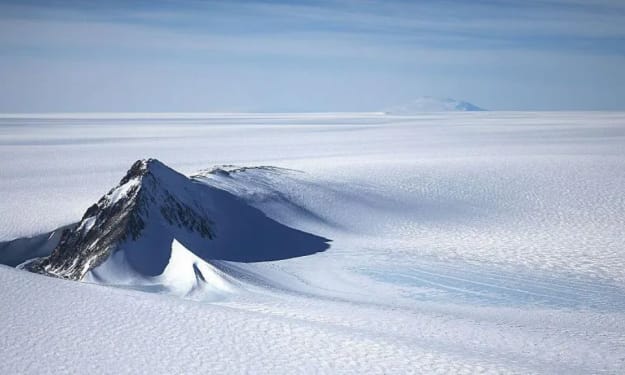
Landscape Beneath Antarctica's Icy Surface Revealed in Unprecedented Detail
For decades, Antarctica has been the Earth’s ultimate mystery — a vast expanse of ice covering almost 14 million square kilometers, hiding secrets beneath its frozen surface. Now, thanks to advanced radar technology and satellite mapping, scientists have produced the most detailed map yet of the continent’s hidden landscape, revealing mountains, valleys, subglacial lakes, and river systems that were previously invisible. This discovery is more than just a scientific curiosity. Understanding Antarctica’s topography beneath the ice is critical for predicting ice sheet stability, global sea-level rise, and climate change impacts. The new data could also shed light on Earth’s geological history and the ways in which life may survive in extreme environments. How Scientists Mapped the Hidden Terrain For years, researchers have relied on a combination of methods to peek beneath the ice: Ice-penetrating radar: Devices mounted on aircraft or satellites send radio waves through ice layers, which bounce back when they hit bedrock, revealing contours beneath kilometers of frozen water. Satellite gravimetry: Small variations in Earth’s gravitational field help infer the presence of mountains, valleys, and subglacial lakes. Seismic surveys: Explosions or controlled vibrations allow scientists to detect underground structures by measuring the way seismic waves travel through different materials. Using these techniques, a consortium of international researchers created a high-resolution map of Antarctica’s sub-ice topography, revealing features that rival the landscapes of continents that have been visible for millions of years. What’s Beneath the Ice? The map reveals a striking variety of features: Mountain ranges: Peaks rise more than 4,000 meters above the surrounding terrain, hidden beneath miles of ice. Some of these ranges may be older than the Rockies or the Alps. Deep valleys: Vast troughs and gorges, carved by ancient rivers or tectonic activity, provide clues about how the continent evolved over millions of years. Subglacial lakes: Scientists have identified hundreds of liquid water lakes trapped beneath the ice, including the famous Lake Vostok. These lakes remain liquid due to pressure and geothermal heat and may host microbial life isolated for millions of years. Subglacial river networks: Surprisingly, water flows beneath the ice in channels and rivers, slowly carving pathways that affect ice sheet movement. This intricate landscape challenges the perception of Antarctica as a flat, featureless ice sheet. Instead, it is a dynamic and complex environment, where hidden topography influences everything from ice flow to global sea levels. Why This Discovery Matters The importance of understanding what lies beneath Antarctica’s ice cannot be overstated: Predicting Ice Sheet Stability: Ice sheets move more quickly over smooth surfaces than over rugged terrain. Knowing where mountains and valleys lie helps scientists predict which areas of ice may collapse first, potentially raising sea levels faster than anticipated. Climate Change Models: Subglacial lakes and water channels lubricate the ice from below, influencing melting rates. Incorporating these features into models improves accuracy in forecasting future sea-level rise. Earth’s Geological History: The newly revealed landscape offers a window into Antarctica’s past — from tectonic shifts to ancient rivers and climates. This data helps reconstruct how continents drifted and climates evolved over millions of years. Search for Extreme Life: Subglacial lakes may harbor microbial life isolated for millions of years, providing insights into life in extreme environments, potentially even on other planets. Global Implications Antarctica may feel distant, but its ice sheets hold the key to global sea-level stability. Even small changes beneath the ice can have profound consequences for coastal cities around the world. With melting accelerated by climate change, understanding the terrain under the ice is crucial for planning and mitigation. Governments, scientists, and environmental organizations are now using this information to: Improve climate models for sea-level rise predictions Identify vulnerable regions of the ice sheet Guide future research missions to subglacial lakes and mountains The discovery also strengthens the case for continued international collaboration in Antarctica, where research and environmental protection are governed by treaties emphasizing peaceful scientific study. Challenges Ahead Mapping Antarctica is far from complete. Extreme weather, thick ice sheets, and logistical difficulties make the continent one of the hardest places to study. While radar and satellite technologies have advanced, field validation and deeper exploration remain difficult and expensive. Researchers also face ethical and environmental concerns. Drilling into subglacial lakes to sample microbial life, for instance, must be done carefully to avoid contamination. Antarctica’s fragile ecosystem demands that scientific progress balances discovery with protection. Looking to the Future The detailed map of Antarctica’s hidden landscape opens new possibilities for exploration and understanding: Ice Flow Predictions: With accurate topography, scientists can model how ice sheets will respond to warming climates more precisely. Resource Insights: While exploitation is restricted by international agreements, understanding subglacial mineral deposits can inform potential future uses. Extreme Environment Biology: Studying subglacial lakes could reveal new species adapted to cold, dark, and high-pressure environments, broadening our understanding of life on Earth. The data also strengthens international scientific cooperation, as multiple countries share findings and resources to better understand a continent that belongs to no single nation. Final Thoughts Antarctica’s ice may appear static and endless, but beneath it lies a vibrant and rugged landscape filled with mountains, valleys, lakes, and rivers. The new detailed mapping of this hidden world is a landmark achievement in Earth science, combining advanced technology, international collaboration, and the human drive to explore. By uncovering what lies beneath the ice, scientists are not just satisfying curiosity — they are equipping humanity with the knowledge to protect our planet, anticipate climate challenges, and understand the deep history of Earth itself. Antarctica’s secrets, once locked beneath kilometers of ice, are finally being revealed, and what we learn could reshape our understanding of the planet and our place within it.
By Muhammad Hassan2 days ago in Earth
Supreme Court Set to Issue Rulings, with Trump Tariffs Case Still Pending
The U.S. Supreme Court is gearing up for a series of critical rulings that could have far-reaching effects on American politics, the economy, and ongoing legal controversies involving former President Donald Trump. Among these high-profile cases is the long-awaited decision on the Trump tariffs case, which remains unresolved and continues to draw national attention. A Pivotal Moment for the Supreme Court The Supreme Court, as the highest judicial body in the United States, has the power to shape not only legal precedent but also economic and political landscapes. Every term, the Court issues decisions that can influence everything from civil liberties to federal policies. This session, observers are particularly focused on cases involving trade, executive power, and regulations implemented during Trump’s administration. The Trump tariffs case, in particular, highlights the tension between presidential authority and congressional oversight. The case challenges certain tariffs imposed by Trump on imports from countries like China, Mexico, and the European Union, arguing that they exceeded the executive branch’s authority and bypassed proper legislative procedures. What the Trump Tariffs Case Is About During his presidency, Donald Trump frequently used tariffs as a tool to bolster U.S. manufacturing, address trade imbalances, and pressure foreign governments into renegotiating trade deals. While some praised these measures for protecting domestic industries, critics argued that they overstepped legal boundaries and caused economic strain on American consumers. The case currently pending before the Supreme Court examines whether Trump acted within his executive authority when imposing these tariffs. Legal analysts note that a ruling against Trump could set a precedent limiting future presidents’ power to unilaterally impose trade restrictions without congressional approval. Conversely, a ruling in his favor could reinforce broad executive powers in trade matters. Broader Implications for Trade and the Economy The Supreme Court’s decision is more than just a legal formality—it has significant economic implications. If the Court rules that the tariffs were unlawful, the U.S. could face demands to refund millions in duties collected, impacting businesses and international trade relations. Companies that relied on protective tariffs to compete in global markets might also face increased competition from foreign imports. On the other hand, upholding the tariffs could embolden future administrations to take aggressive action in trade disputes, potentially triggering new tensions with other countries. Investors, trade associations, and policymakers are closely monitoring these developments, as the ruling could influence stock markets, trade negotiations, and long-term economic strategies. Political Stakes Remain High Beyond economics, the Trump tariffs case has political dimensions. Donald Trump’s legal and political team is watching the case closely, as the outcome could influence his broader legal battles and political ambitions. While the case focuses on trade, it also touches on questions of executive authority, a topic central to debates about checks and balances in the U.S. government. Democrats and Republicans alike are analyzing the case for its potential impact on future administrations. Some lawmakers have expressed concern that a broad interpretation of executive power could set a dangerous precedent, allowing presidents to implement sweeping economic measures without sufficient legislative oversight. Other Supreme Court Decisions to Watch While the Trump tariffs case is the most high-profile, the Supreme Court is expected to issue rulings on several other major issues this session, including voting rights, environmental regulations, and federal agency authority. Each decision could have ripple effects across the nation, shaping laws and policies for years to come. Observers are particularly interested in cases that intersect with current political debates. With midterm elections approaching, the timing of these rulings could influence public opinion, political campaigns, and legislative priorities. What Comes Next For now, all eyes remain on the Supreme Court. Legal experts are divided on the likely outcome of the Trump tariffs case, with some predicting a narrow decision and others expecting broader implications. Regardless of the verdict, the ruling will be closely studied by policymakers, businesses, and citizens alike. In the meantime, companies affected by tariffs, trade advocates, and political analysts continue to prepare for potential scenarios. Whether the Court sides with Trump or challenges his administration’s actions, the ruling will shape the legal landscape for presidential authority and U.S. trade policy for years to come. Final Thoughts The Supreme Court’s upcoming rulings, particularly on the Trump tariffs case, underscore the enduring tension between executive authority, congressional oversight, and judicial interpretation. These decisions will not only influence the immediate legal battle but could also redefine the boundaries of presidential power and trade policy in the United States. For citizens, investors, and policymakers, understanding the implications of these rulings is crucial. As the nation waits for the Court’s verdict, one thing is clear: the outcome will resonate far beyond the courtroom, affecting politics, economics, and the balance of power in Washington, D.C.
By Muhammad Hassan4 days ago in Earth



Comments
There are no comments for this story
Be the first to respond and start the conversation.