
4 Unique Animals Around The Globe!
Have You seen any of these animals before?

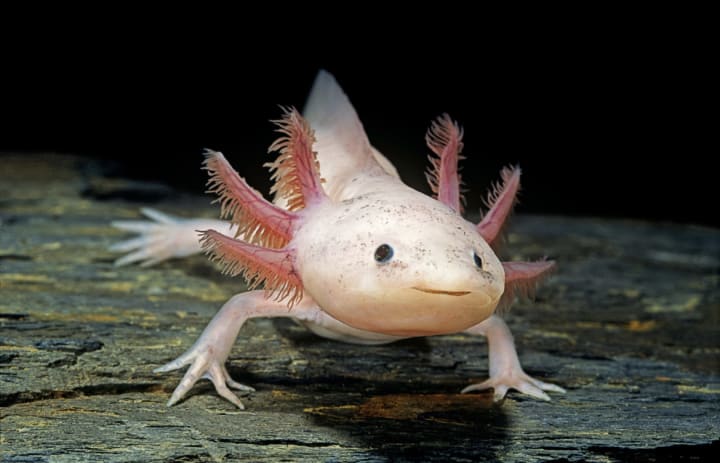
Axolotl: Our first encounter takes us to the depths of aquatic wonder, where we meet the mesmerizing axolotl. Hailing from the ancient canals and lakes of Mexico, this extraordinary salamander possesses a remarkable ability to regenerate lost body parts. From limbs and spinal cords to hearts and even sections of its brain, the axolotl showcases nature's exceptional regenerative powers. Its captivating feature is the retention of its juvenile form throughout its entire life, resembling a delicate larva. Its endearing appearance and astounding regenerative capabilities make the axolotl a true marvel of the animal kingdom.
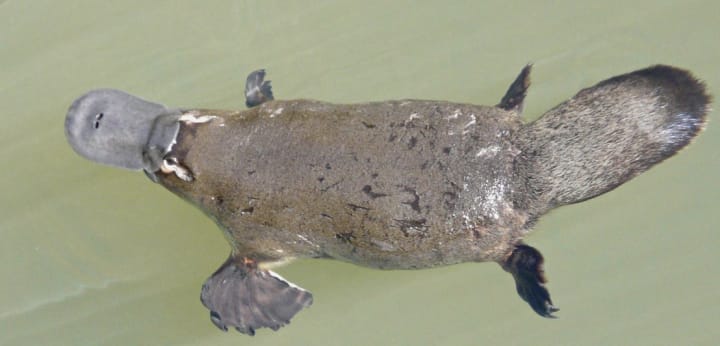
Platypus: Venturing to the far-flung corners of Australia, we encounter the peculiar and enchanting platypus. A unique mammal among mammals, the platypus is one of the few egg-laying creatures called monotremes. Sporting a duck-like bill, webbed feet, and a beaver-like tail, it effortlessly defies categorization. To add to its extraordinary repertoire, male platypuses possess venomous spurs on their hind legs, an astonishing adaptation not commonly seen in the mammalian world. The platypus, with its medley of features borrowed from different animals, stands as a testament to the wonders of evolutionary diversity.
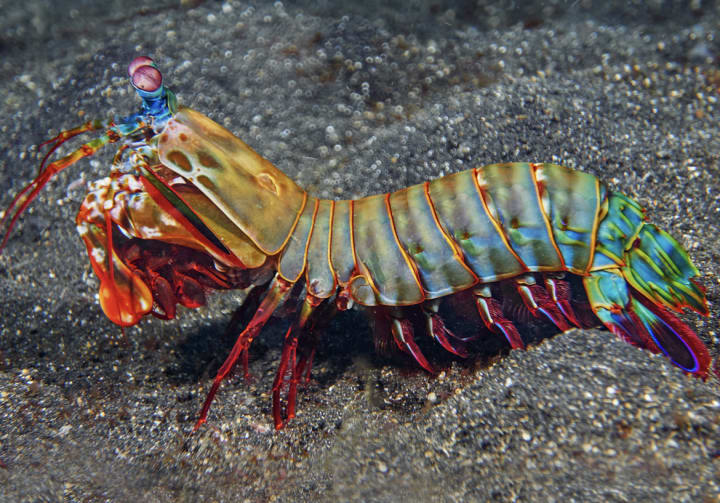
Mantis Shrimp: Diving beneath the glistening waves, we discover the vibrant world of the mantis shrimp. Despite its name, this marine crustacean is neither a mantis nor a shrimp but a truly unique creature. What sets the mantis shrimp apart is its extraordinary visual system, boasting one of the most complex eyes in the animal kingdom. With an astonishing sixteen color receptors, compared to the mere three in humans, it perceives a kaleidoscope of hues that elude our senses. Additionally, the mantis shrimp can detect polarized light, allowing it to navigate and communicate with unparalleled precision. Its magnificent eyes and the mesmerizing world they reveal make the mantis shrimp an exquisite wonder of the deep.
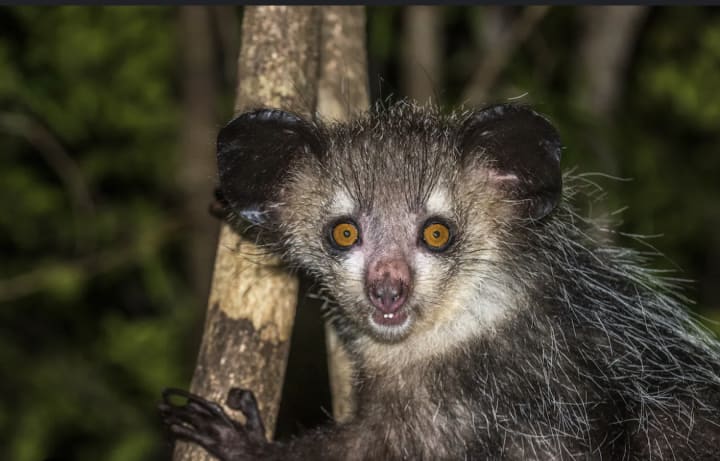
Aye-aye: Our journey concludes amidst the enchanting forests of Madagascar, where we encounter the enigmatic aye-aye. This nocturnal lemur stands apart from its primate brethren with its distinctive features and extraordinary behavior. Its elongated, slender fingers, particularly the specialized middle finger, are perfectly adapted for tapping on trees. This tapping serves a crucial purpose – to locate and extract grubs hidden within the wood. Considered a "woodpecker primate," the aye-aye's foraging technique is unlike anything seen in the animal kingdom. Its mysterious appearance and unique hunting strategy make the aye-aye an emblem of nature's innovative adaptations.
As we bid farewell to these four extraordinary animals, we reflect on the vast diversity and ingenuity that exists within the animal kingdom. The axolotl's regenerative abilities, the platypus's amalgamation of features, the mantis shrimp's visual marvel, and the aye-aye's unconventional foraging technique are testaments to the wonders of evolution. Each creature unveils a chapter of nature's grand story, reminding us of the infinite possibilities that exist within our natural world. Let us cherish and protect these unique beings, ensuring their continued existence as sources of awe and inspiration for generations to come.
Climate change is primarily caused by human activities, particularly the release of greenhouse gases into the atmosphere. Rising global temperatures, changing precipitation patterns, and more frequent extreme weather events have profound consequences for wildlife. Animals are highly sensitive to environmental shifts, and alterations in temperature and weather patterns can disrupt their habitats, food sources, and migration patterns.

The loss of habitats due to climate change forces animals to adapt or face extinction. Species that are unable to adjust quickly enough may struggle to find suitable habitats, leading to reduced population sizes and increased vulnerability to predation and disease. This imbalance can have ripple effects throughout entire ecosystems, impacting species interactions and disrupting ecological stability.
About the Creator
Venus and Jupiter Shine Together: A Stunning Planetary Display in Earth’s Sky
For skywatchers across the world, there are few sights more captivating than seeing bright planets glowing in the night sky. Among these celestial wonders, the close appearance of Venus and Jupiter from Earth is one of the most spectacular. When these two brilliant planets appear close together in the sky, they create a stunning astronomical event that fascinates both professional astronomers and casual stargazers alike.
By Irshad Abbasi 4 days ago in Earth




Comments
There are no comments for this story
Be the first to respond and start the conversation.