
2026 Winter Olympics: A New Chapter in Snow and Ice
Every four years, winter brings more than cold air and quiet mornings. It brings a global pause.

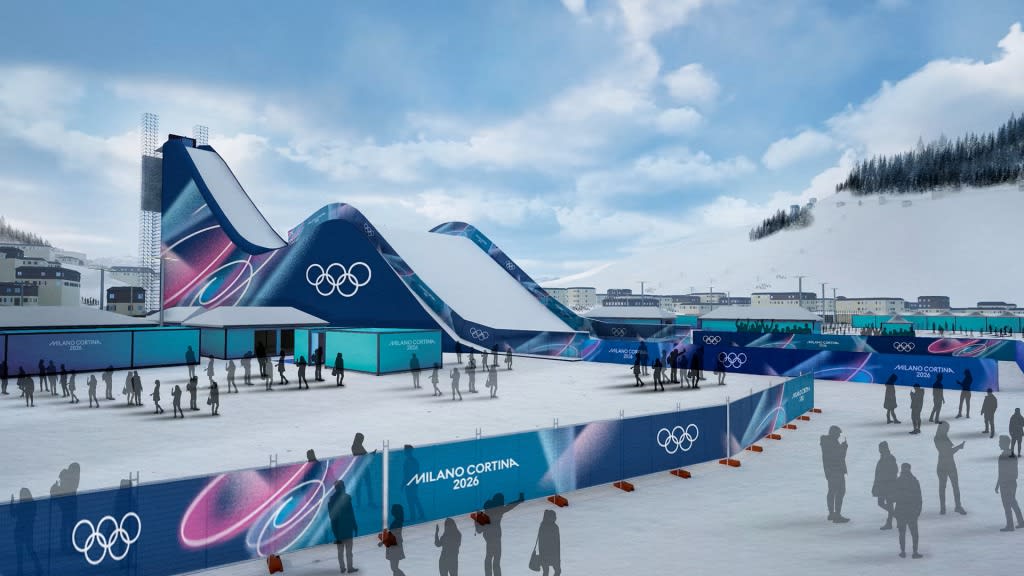
Every four years, winter brings more than cold air and quiet mornings. It brings a global pause. A moment when the world gathers around snow-covered mountains and frozen arenas to watch human limits tested in silence and speed.
The 2026 Winter Olympics are already stirring that familiar feeling. Anticipation. Curiosity. Hope. For athletes, it is the result of years of early mornings and aching muscles. For fans, it is a chance to witness stories that unfold in seconds yet stay in memory for decades.
This time, the Games return to Europe, carrying tradition and fresh expectations. The 2026 Winter Olympics will not just be about medals. They will be about resilience, identity, and the quiet courage it takes to stand at the top of an icy slope.
Where the 2026 Winter Olympics Will Take Place
The 2026 Winter Olympics will be hosted in Milan and Cortina d'Ampezzo, marking a return to Italy for the Winter Games.
Italy last hosted the Winter Olympics in Turin in 2006. Two decades later, the country is preparing again, but this time with a different approach.
Instead of centering events in one compact Olympic park, the 2026 Winter Olympics will spread competitions across several regions in northern Italy. Events will take place in historic cities and alpine towns, including areas in Verona and Bormio.
This wider format reflects modern planning. It uses existing venues and respects local geography. The Dolomite mountains will once again frame skiing events, offering natural beauty that feels timeless.
Why Italy’s Landscape Matters
Winter sports depend heavily on terrain. The slopes, altitude, and climate shape performance.
Cortina d'Ampezzo is not new to Olympic history. It hosted the Winter Olympics in 1956. That legacy still lives in its ski runs and mountain infrastructure. Bringing the 2026 Winter Olympics back to this region connects past and present.
The Italian Alps provide steep descents for alpine skiing and challenging terrain for snowboarding and freestyle events. These mountains are not just scenic backdrops. They are demanding stages.
For athletes, competing in these natural settings adds pressure. Snow conditions can change quickly. Wind can alter a jump. Visibility can affect timing by fractions of a second.
Those small differences decide medals.
Key Sports to Watch in the 2026 Winter Olympics
The 2026 Winter Olympics will feature the traditional lineup of winter sports, along with adjustments and possible additions approved by the International Olympic Committee.
Alpine Skiing
Alpine skiing remains one of the most watched events. Downhill, slalom, giant slalom, and super-G races test speed and control.
In these events, athletes race against the clock. There is no direct physical contact. Just gravity, precision, and courage.
A skier can train for years, only to have one small mistake cost a podium finish. That tension makes every run feel intense.
Figure Skating
Figure skating brings a different rhythm to the 2026 Winter Olympics.
The arena falls silent as skaters glide across the ice. Jumps, spins, and footwork combine athletic strength with artistic expression.
For many viewers, figure skating becomes the emotional center of the Games. One flawless routine can shift public opinion overnight. A fall can break hearts across continents.
Ice Hockey
Ice hockey carries strong national pride. Countries with deep hockey traditions approach the Olympic tournament with high expectations.
In past Winter Olympics, hockey finals have drawn massive global audiences. Rivalries between nations often reach their peak on Olympic ice.
The 2026 Winter Olympics may also clarify player participation rules, especially regarding professional leagues. That decision can influence team strength and overall excitement.
Snowboarding and Freestyle Skiing
Younger audiences often connect strongly with snowboarding and freestyle skiing events.
These sports highlight creativity and risk. Athletes perform aerial tricks that require split-second timing and full-body control.
Judges evaluate difficulty and execution. Spectators react instantly to big landings or hard crashes.
At the 2026 Winter Olympics, these events are expected to draw strong global interest, especially from countries that have invested heavily in winter sports development.
Athletes to Watch in 2026
While it is early to predict exact rosters, some athletes from recent Winter Games are likely to return if they maintain form and health.
The path to the 2026 Winter Olympics includes World Championships and World Cup circuits. Athletes build rankings over time. They manage injuries and adjust training schedules.
Young competitors who debuted in previous Games may now enter their prime years. Veterans may aim for one final Olympic appearance.
For many, 2026 represents the culmination of a lifelong dream.
Behind every athlete at the 2026 Winter Olympics is a quiet story. Years of travel. Missed holidays. Financial strain. Doubt.
The Olympic stage shows only a small part of that journey.
Sustainability and Modern Planning
Recent Olympic hosts have faced criticism about cost and unused facilities.
The organizers of the 2026 Winter Olympics have stated their intention to rely largely on existing venues. This approach reduces construction and long-term maintenance issues.
Using established ski resorts and arenas can limit environmental disruption. It also respects local communities.
Winter sports depend on climate stability. Warmer winters in some regions have raised concerns about snow reliability.
By selecting high-altitude venues in northern Italy, the 2026 Winter Olympics aim to reduce weather-related uncertainty. Still, contingency plans remain important.
Artificial snow production may be necessary in some events, as it has been in previous Games.
Economic Impact on Host Regions
Large sporting events bring attention and tourism.
For Milan, already an international city, the 2026 Winter Olympics may strengthen its global image beyond fashion and finance.
For smaller alpine towns like Cortina d'Ampezzo and Bormio, the economic impact can feel more direct.
Hotels fill. Restaurants extend hours. Seasonal workers find employment.
Yet hosting also requires investment in security, transport, and logistics.
Past Olympic hosts have experienced mixed financial outcomes. Success often depends on long-term planning and realistic budgeting.
The 2026 Winter Olympics will likely be judged not only by medal counts but also by how responsibly the event is managed.
The Emotional Power of the Opening Ceremony
The opening ceremony of the 2026 Winter Olympics will carry symbolic weight.
It marks the official beginning. Athletes march behind their national flags. Some smile broadly. Others look focused and quiet.
For many competitors, this parade becomes one of the most unforgettable moments of their lives.
The ceremony also introduces host culture to a global audience.
Italy’s rich artistic and historical heritage offers many possibilities. Music, architecture, and design could all play a role.
Yet beyond spectacle, the ceremony represents unity.
Nations that disagree politically still gather in the same stadium.
That image matters.
Technology and Broadcast Experience
Modern Olympic coverage has changed how audiences engage with the Games.
High-definition cameras, slow-motion replays, and athlete tracking systems give viewers deeper insight into performance.
During the 2026 Winter Olympics, broadcasters are expected to provide multiple viewing angles and real-time data overlays.
For example, in alpine skiing, fans may see exact speed measurements and split times during a descent.
In figure skating, technical elements can be highlighted instantly.
This added detail helps casual viewers understand scoring and performance complexity.
At the same time, social media will amplify key moments within seconds. A dramatic finish can reach millions almost immediately.
The Human Stories Behind Medals
Medals are small pieces of metal. Yet they carry enormous meaning.
At the 2026 Winter Olympics, some athletes will stand on the podium for the first time. Others may fall short after years of preparation.
Consider a speed skater who trained before sunrise for a decade. Or a skier who recovered from a major injury just to qualify.
The Olympics compress these journeys into brief highlights.
But the emotional weight remains long after the Games end.
For many viewers, it is these human stories that make the 2026 Winter Olympics memorable.
Youth Inspiration and Global Reach
Every Winter Olympics inspires a new generation.
A child watching snowboard tricks may ask for lessons. A teenager observing figure skating might join a local rink.
The visibility of the 2026 Winter Olympics could encourage winter sports participation in countries without strong traditions.
However, access remains unequal. Winter sports often require expensive equipment and specific climates.
National sports programs play a role in widening access.
The Olympic spotlight can motivate governments and communities to invest in youth training facilities.
Security and Global Stability
Large international events require careful security planning.
The 2026 Winter Olympics will bring athletes, officials, media, and spectators from around the world.
Ensuring safety while maintaining a welcoming atmosphere is a delicate balance.
Organizers must coordinate with local authorities, national agencies, and international partners.
Recent global events have shown how quickly circumstances can change.
Flexibility and preparation will be key.
Climate Change and the Future of Winter Sports
The long-term future of winter sports faces real questions.
Rising global temperatures affect snowfall patterns and mountain ecosystems.
Some former winter sports venues have experienced shorter seasons.
The 2026 Winter Olympics will take place in regions that historically offer reliable winter conditions. Still, the conversation about sustainability continues.
Athletes themselves have begun speaking about environmental responsibility.
Winter sports depend on cold climates. Protecting those environments is not abstract. It is personal.
The visibility of the 2026 Winter Olympics may increase awareness of these issues.
What Makes the 2026 Winter Olympics Unique
Every Olympic edition carries its own tone.
The 2026 Winter Olympics combine historic European settings with a distributed hosting model.
Rather than concentrating everything in one city, events will stretch across northern Italy. This structure spreads both opportunity and responsibility.
It also highlights regional diversity within one country.
From urban Milan to alpine Cortina, the contrast will be visible on screen.
That variety may shape how audiences remember these Games.
The Closing Ceremony and Lasting Impact
As the 2026 Winter Olympics conclude, attention will shift toward medal tables and standout performances.
But after the closing ceremony, what remains?
For athletes, memories. For host regions, infrastructure and international recognition. For fans, moments replayed for years.
Some events will fade from public discussion quickly.
Others will become part of Olympic history.
A last-second goal. A flawless skating program. A surprising upset in alpine skiing.
These are the moments that give the 2026 Winter Olympics their lasting emotional weight.
Final Reflections on the 2026 Winter Olympics
The 2026 Winter Olympics are more than a sporting event.
They represent preparation, pressure, and possibility.
For Italy, they are a chance to host the world once again. For athletes, they are the result of discipline that often goes unseen.
For viewers, they offer a shared experience during cold winter weeks.
Snow will fall on mountain peaks. Arenas will fill with cheers. Some dreams will come true. Others will be postponed for another four years.
When the flame is lit in 2026, it will carry history behind it and uncertainty ahead.
About the Creator
Muqadas khan
Hi! Welcome to my Vocal page. I’ll be sharing fresh articles every day covering stories, ideas, and a bit of inspiration to brighten your feed. Thanks for reading and supporting daily writing! 📖💫
Keep reading
More stories from Muqadas khan and writers in Earth and other communities.
Australia Heatwave Temperatures and the Cost of Endless Summers
There was a time when summer in Australia meant long afternoons, sunburnt shoulders, and the hum of cicadas at dusk. Heat was expected, even welcomed. But something has shifted. In recent years, summer no longer arrives gently. It presses down, day after day, with a weight that feels harder to escape. Australia heatwave temperatures are no longer short bursts of discomfort. They are long, exhausting stretches that change how people live, work, and rest. This article looks beyond the numbers to explore what these heatwaves feel like on the ground. It examines how rising temperatures are reshaping daily life, the land, and the quiet routines people once took for granted.
By Muqadas khan2 months ago in Earth
Water Ceremony At The Mississippi River
We were especially pleased with the sun up in the sky today! And I talked about how much energy the sun gives me in the winter. I have never been diagnosed with seasonal affective disorder (SAD), but I believe I have it. My energy is like night and day when the sun hasn't been out for a few days.
By Denise E Lindquist8 days ago in Earth



Comments
There are no comments for this story
Be the first to respond and start the conversation.