
Australia Heatwave Temperatures and the Cost of Endless Summers
There was a time when summer in Australia meant long afternoons, sunburnt shoulders, and the hum of cicadas at dusk.

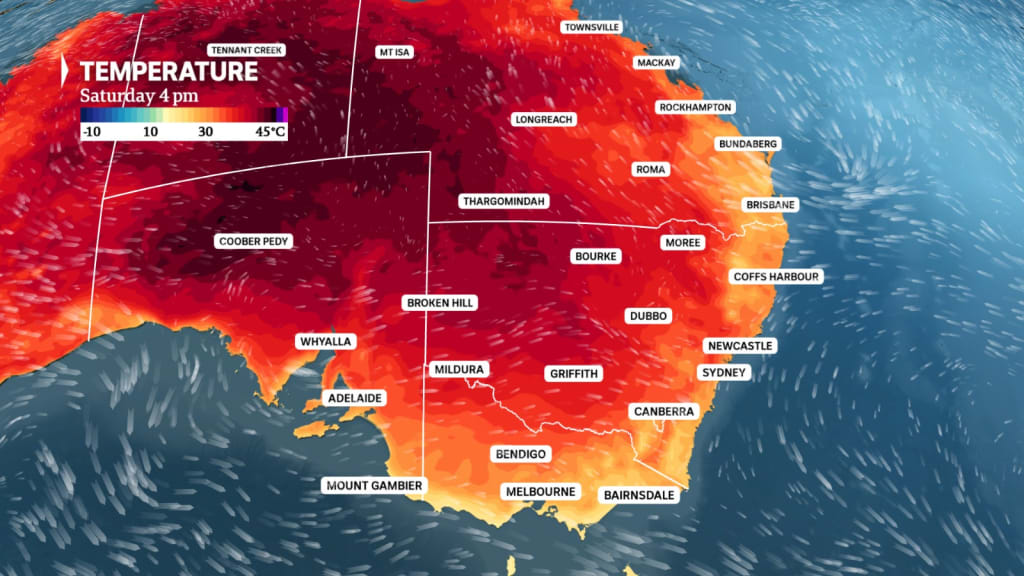
There was a time when summer in Australia meant long afternoons, sunburnt shoulders, and the hum of cicadas at dusk. Heat was expected, even welcomed. But something has shifted. In recent years, summer no longer arrives gently. It presses down, day after day, with a weight that feels harder to escape. Australia heatwave temperatures are no longer short bursts of discomfort. They are long, exhausting stretches that change how people live, work, and rest. This article looks beyond the numbers to explore what these heatwaves feel like on the ground. It examines how rising temperatures are reshaping daily life, the land, and the quiet routines people once took for granted.
Understanding Australia’s Heatwave Patterns
Australia has always been a hot country. Its climate is shaped by wide deserts, long coastlines, and shifting ocean systems. Heatwaves are not new. What is new is their length, intensity, and frequency.
Australia heatwave temperatures are now breaking records that once seemed extreme. Days above forty degrees are lasting longer. Nights are staying warm, offering little relief. This pattern places strain on both people and infrastructure.
Heatwaves are defined not just by high daytime temperatures, but by how long the heat persists. When the body does not cool down overnight, stress builds. This makes modern heatwaves more dangerous than those of the past.
When Heat Stops Being Temporary
Short heat spikes can be managed. People stay indoors, drink water, and wait it out. Prolonged heat is different.
In many parts of Australia, heatwaves now stretch across weeks. Each day blends into the next. Fans run constantly. Air conditioners struggle. Sleep becomes shallow and restless.
Australia heatwave temperatures are no longer isolated events. They shape entire seasons. This constant heat changes how people plan their days and their lives.
The Human Body Under Constant Heat
The human body relies on balance. It cools itself through sweat and rest. When temperatures stay high, this system struggles.
Heat exhaustion becomes common during extended heatwaves. People feel dizzy, weak, and disoriented. For the elderly and those with health conditions, the risks increase.
Australia heatwave temperatures also affect mental health. Irritability rises. Concentration drops. Anxiety increases when relief feels uncertain.
These effects are not dramatic headlines. They are quiet, cumulative stresses that wear people down over time.
Nights That No Longer Cool Down
One of the most difficult changes has been the loss of cool nights. In the past, evenings offered relief. Windows opened. Breezes moved through homes.
Now, many heatwaves include warm nights that hover above thirty degrees. Sleep becomes fragmented. Bodies do not recover.
Australia heatwave temperatures that remain high overnight increase health risks. Hospitals report more admissions during these periods.
The absence of rest changes how people function the next day. Fatigue becomes normal rather than temporary.
Heat and Everyday Work
Outdoor workers feel the impact of rising temperatures first. Construction workers, farmers, delivery drivers, and landscapers must navigate dangerous conditions.
Work schedules shift earlier in the day. Tasks slow down. Breaks become more frequent.
Even indoor workers are affected. Offices without proper cooling become uncomfortable. Productivity drops as heat builds.
Australia heatwave temperatures blur the line between normal workdays and survival mode. Simply getting through the day becomes the goal.
Schools and Children in Extreme Heat
Children are especially vulnerable to heat. Their bodies regulate temperature less efficiently than adults.
During severe heatwaves, schools shorten days or close entirely. Classrooms without adequate cooling become unsafe.
Australia heatwave temperatures also affect learning. Concentration declines. Exams and lessons become harder to manage.
Parents face difficult choices. Keep children home or trust cooling systems that may fail under strain.
Homes Built for a Different Climate
Many Australian homes were designed for a milder version of summer. Older houses rely on airflow and shade rather than mechanical cooling.
As heatwaves intensify, these designs struggle. Tin roofs trap heat. Poor insulation turns houses into ovens.
Australia heatwave temperatures expose inequality. Those who can afford upgrades cope better. Others endure uncomfortable and sometimes dangerous conditions.
Energy bills rise as cooling becomes essential rather than optional.
Power Grids Under Pressure
Extreme heat places heavy demand on electricity networks. Air conditioners run continuously. Systems approach capacity.
Blackouts during heatwaves are especially dangerous. Without power, cooling systems stop. Food spoils. Medical equipment fails.
Australia heatwave temperatures test the limits of infrastructure built for a cooler past.
Each outage highlights how tightly modern life depends on stable power during extreme weather.
Bushfire Risk and Dry Heat
Heatwaves and bushfires are closely linked. Prolonged heat dries vegetation, turning landscapes into fuel.
Australia heatwave temperatures increase fire danger even outside traditional fire seasons. Fires ignite more easily and spread faster.
Communities near bushland live with constant alertness during hot periods. Smoke becomes part of the air people breathe.
The emotional toll of this risk is heavy. Fear settles quietly during long stretches of heat.
Cities That Trap Heat
Urban areas often experience higher temperatures than surrounding regions. Concrete, asphalt, and buildings absorb heat during the day and release it slowly at night.
This creates urban heat islands where Australia heatwave temperatures feel even more intense.
Trees and green spaces help cool cities, but many suburbs lack sufficient shade.
For city dwellers, escaping heat often means leaving the city entirely, which is not always possible.
Rural Communities and Isolation
Rural areas face unique challenges during heatwaves. Distances are long. Services are limited.
Farmers work in open landscapes with little shade. Livestock suffer under extreme heat, affecting livelihoods.
Australia heatwave temperatures place extra strain on rural communities already dealing with isolation and limited resources.
Support may be hours away when conditions worsen.
Water Use During Extreme Heat
Heatwaves drive water use higher. People shower more often, water gardens, and cool homes.
At the same time, drought conditions often accompany heat. Water restrictions return.
Australia heatwave temperatures force difficult choices between comfort and conservation.
Communities must balance immediate needs with long term sustainability.
The Emotional Weight of Endless Heat
Heat affects mood in subtle ways. Long periods of discomfort can lead to frustration and hopelessness.
People feel trapped indoors. Outdoor activities disappear. Social life shrinks.
Australia heatwave temperatures can make summer feel isolating rather than joyful.
This emotional strain is rarely discussed but deeply felt.
How Heat Changes Cultural Traditions
Australian culture has long celebrated summer. Barbecues, beach days, and outdoor festivals define the season.
Extreme heat alters these traditions. Events are cancelled. Beaches empty during peak heat.
Australia heatwave temperatures shift how people relate to summer itself.
What was once anticipated becomes something to endure.
Health Services Under Heat Stress
Hospitals and emergency services see increased demand during heatwaves. Dehydration, heat stroke, and heart issues rise.
Ambulance response times may slow as demand increases.
Australia heatwave temperatures stretch healthcare systems already under pressure.
Planning for heat is now a central part of public health preparation.
Animals and Heat Stress
Pets, livestock, and wildlife all suffer during extreme heat. Dogs struggle on hot pavements. Birds fall from trees.
Australia heatwave temperatures disrupt ecosystems. Water sources dry up. Food becomes scarce.
Rescue groups often step in during severe heatwaves, but the scale of impact is growing.
These moments remind people that heat affects all living things, not just humans.
Coastal Areas and Humidity
Coastal regions face a different kind of heat. High humidity prevents sweat from evaporating, reducing the body’s ability to cool.
Australia heatwave temperatures combined with humidity feel heavier and more draining.
Sleep becomes difficult. Mold and dampness increase inside homes.
Heat in coastal areas lingers in a way that feels inescapable.
Preparing for a Hotter Future
Heatwaves are no longer rare events. They are becoming a regular part of Australian life.
Communities are adapting slowly. Cooling centers open during extreme heat. Building codes evolve.
Australia heatwave temperatures require long term planning, not temporary fixes.
Preparation now focuses on resilience rather than avoidance.
The Role of Personal Awareness
Individuals play a role in managing heat risk. Recognizing early signs of heat stress matters.
Checking on neighbors, especially the elderly, becomes important during heatwaves.
Australia heatwave temperatures remind people of the value of community awareness.
Small actions can prevent serious harm.
Children Growing Up With Extreme Heat
A generation is growing up knowing heat as a constant presence. Their summers are defined by warnings and restrictions.
Australia heatwave temperatures shape childhood memories differently than in the past.
Understanding this shift helps explain changing attitudes toward outdoor play and school schedules.
Heat becomes part of identity, not just weather.
Heat and Economic Strain
Heatwaves affect the economy in quiet ways. Productivity drops. Health costs rise. Infrastructure repairs increase.
Small businesses suffer when customers stay home.
Australia heatwave temperatures create hidden financial stress across communities.
These costs accumulate year after year.
Media Coverage and Heat Fatigue
As heatwaves become common, media attention sometimes fades. Warnings blend together.
This creates heat fatigue, where people stop responding urgently.
Australia heatwave temperatures still pose serious risks, even when they feel familiar.
Clear communication remains essential.
Learning to Live With Heat
Acceptance does not mean surrender. It means adjusting expectations and routines.
People learn to plan mornings carefully. Shade becomes valuable. Water is prioritized.
Australia heatwave temperatures demand a slower pace of life during peak periods.
Living with heat requires patience and flexibility.
The Quiet Grief of a Changing Climate
There is grief in realizing that familiar seasons have changed. Summer no longer feels the same.
Australia heatwave temperatures carry emotional loss alongside physical discomfort.
People mourn outdoor rituals that are harder to maintain.
This grief is quiet, but real.
Why Australia Heatwave Temperatures Matter
Heatwaves affect health, culture, economy, and identity. They shape daily choices and long term plans.
Australia heatwave temperatures are not just numbers on a forecast. They are lived experiences.
Understanding their impact helps communities respond with care rather than panic.
It also invites honest conversations about adaptation and support.
Final Thoughts
Australia has always lived with heat, but the balance has shifted. Heatwaves are longer, heavier, and harder to escape.
Australia heatwave temperatures now define entire seasons and shape how people live within them.
This reality calls for awareness, preparation, and compassion.
As summers continue to stretch, the challenge is not just surviving the heat, but preserving quality of life within it.
That challenge belongs to everyone.
About the Creator
Muqadas khan
Hi! Welcome to my Vocal page. I’ll be sharing fresh articles every day covering stories, ideas, and a bit of inspiration to brighten your feed. Thanks for reading and supporting daily writing! 📖💫
Keep reading
More stories from Muqadas khan and writers in Earth and other communities.
Michael Reagan and the Long Search for Identity Beyond Legacy
Some lives are shaped before they even begin. A famous name can open doors, but it can also close emotional ones. Michael Reagan grew up carrying a last name the world already understood, even if he himself was still figuring it out. His life has often been reduced to headlines, arguments, and assumptions. Yet beneath the public image is a story marked by distance, faith, loss, and persistence. Michael Reagan’s journey is not only about politics or family history. It is about what happens when a person spends decades trying to be seen as more than a reflection of someone else. His story invites quiet reflection on identity, belonging, and the cost of growing up in public view.
By Muqadas khan4 days ago in Humans
Climate Uncovered: How Earth’s Atmosphere Shapes Our Past, Present, and Future
## Climate Uncovered: How Earth’s Atmosphere Shapes Our Past, Present, and Future Climate is more than just a scientific term or a topic in school textbooks. It is a powerful force that shapes ecosystems, economies, cultures, and daily life across the planet. From the clothes people wear to the food they grow and the cities they build, climate plays a defining role. In recent years, interest in climate has grown rapidly as people seek to understand long-term environmental changes and what they mean for the future of humanity. This article explains climate in a clear and engaging way while answering the most common questions people search for and ask.
By America today 2 days ago in Earth



Comments
There are no comments for this story
Be the first to respond and start the conversation.