
10 Most Dangerous Natural Disasters and Their Causes
Nature's fury unleashed: Exploring the causes and devastation behind the ten most dangerous natural disasters.

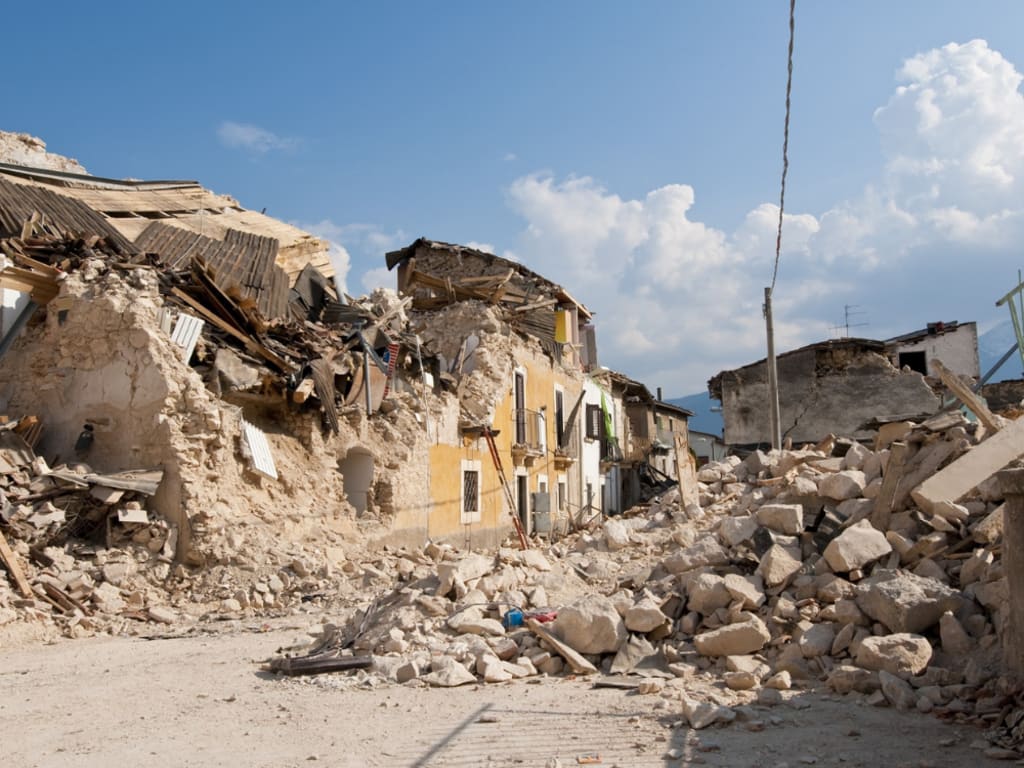
Natural disasters are devastating events that occur with little to no warning, wreaking havoc on communities and leaving a trail of destruction in their wake. From earthquakes and hurricanes to tsunamis and wildfires, these catastrophic events can cause immense loss of life and property damage. In this article, we explore ten of the most dangerous natural disasters, examining their causes and the destructive power they unleash upon the Earth. By understanding the forces behind these disasters, we can better prepare, mitigate their impact, and protect vulnerable populations.
Earthquakes:
Earthquakes are a result of the release of energy in the Earth's crust, leading to ground shaking and potentially triggering other hazardous events such as tsunamis and landslides. The primary cause of earthquakes is the movement and interaction of tectonic plates, which form the Earth's outer shell. When these plates collide, slide past each other, or separate, immense energy is released, resulting in seismic waves that can cause widespread damage.
Hurricanes:
Hurricanes, also known as typhoons or cyclones depending on the region, are massive tropical storms characterized by strong winds and heavy rainfall. These storms form over warm ocean waters and are fueled by the evaporation and condensation of water vapor. As warm, moist air rises, it creates low pressure near the surface, causing surrounding air to rush in, resulting in strong winds. The combination of high winds, storm surge, and intense rainfall can cause significant damage, particularly along coastlines.
Tsunamis:
Tsunamis, often referred to as seismic sea waves, are triggered by undersea earthquakes, volcanic eruptions, or underwater landslides. When these events occur, large amounts of water are displaced, causing the formation of massive ocean waves that propagate across the ocean. As the waves approach shallow coastal areas, they increase in height and can strike with tremendous force, devastating coastal communities.
Wildfires:
Wildfires are uncontrolled fires that spread rapidly across vegetation, fueled by dry conditions, high temperatures, and strong winds. While some wildfires are ignited by natural causes such as lightning strikes, many are a result of human activities like discarded cigarettes, arson, or accidental sparks. Once a fire takes hold and spreads, it can consume vast areas of forests, grasslands, and homes, posing a significant threat to life and the environment.
Floods:
Floods occur when there is an overflow of water onto normally dry land. They can be caused by heavy rainfall, rapid snowmelt, dam failure, or tropical storms. When the volume of water exceeds the capacity of the land to absorb or contain it, flooding can ensue, submerging homes, infrastructure, and agricultural areas. Flash floods, characterized by their sudden onset and rapid rise of water levels, are particularly dangerous and can occur within minutes or hours.
Tornadoes:
Tornadoes are powerful rotating columns of air that extend from a thunderstorm to the ground. They are typically formed from severe thunderstorms and can generate winds exceeding 200 miles per hour. The exact causes of tornado formation are still not fully understood, but they often result from the interaction of warm, moist air and cool, dry air, creating instability in the atmosphere. Tornadoes can cause extensive damage in their path, demolishing buildings and uprooting trees.
Volcanic Eruptions:
Volcanic eruptions occur when molten rock, ash, and gases are expelled from a volcano's vent. These eruptions can range from relatively calm lava flows to explosive eruptions that propel ash and volcanic materials high into the atmosphere. Volcanic activity is primarily caused by the movement and interaction of tectonic plates, which leads to the release of magma from the Earth's mantle. The destruction caused by volcanic eruptions can include lava flows, ashfall, pyroclastic flows, and lahars.
Landslides:
Landslides, also known as landslips or mudslides, occur when masses of rock, soil, or debris move down a slope. They can be triggered by various factors, including heavy rainfall, earthquakes, volcanic activity, and human activities such as construction or mining. The destabilization of slopes and the loss of friction between materials cause the movement, which can bury homes, infrastructure, and communities, leading to loss of life and property.
Avalanches:
Avalanches are rapid flows of snow, ice, and debris down steep slopes. They can be triggered by factors such as heavy snowfall, the accumulation of unstable snow layers, or disturbances from human activities. Avalanches can travel at high speeds, burying everything in their path and causing significant injury or death to anyone caught in the flow.
Heatwaves:
Heatwaves are prolonged periods of excessively hot weather, often accompanied by high humidity. They can occur due to the combination of atmospheric conditions and geographical factors that trap heat near the surface. Heatwaves can have serious health implications, leading to dehydration, heat exhaustion, and heatstroke, particularly for vulnerable populations such as the elderly and those with underlying health conditions.
Enjoyed the read? Show your support for my future pieces with a small contribution. Every gift counts!
About the Creator
Gokhan Polard
As an experienced ERC Referral Specialist, my primary dedication lies in assisting businesses in the journey towards financial success. https://ercsolutionshub.com/
Keep reading
More stories from Gokhan Polard and writers in Earth and other communities.
he Effect of Air Pollution on Human Health and What We Can Do About It
Air pollution is a pressing global issue that affects billions of people worldwide. It is a result of various human activities, such as industrial emissions, vehicle exhaust, burning of fossil fuels, and the release of pollutants from residential sources. The impact of air pollution on human health is significant and wide-ranging, leading to a range of respiratory, cardiovascular, and other health problems. In this article, we will explore the effects of air pollution on human health and discuss actionable steps we can take to mitigate this growing problem.
By Gokhan Polard3 years ago in Earth
The Fiery Circle: Understanding the Pacific Ring of Fire
The **Pacific Ring of Fire** is not a literal ring of flames, but it is undoubtedly the most geologically volatile region on Earth. Stretching approximately 40,000 kilometers (25,000 miles) in a massive horseshoe shape, it traces the coasts of the Pacific Ocean—from the southern tip of South America, up along the coast of North America, across the Bering Strait, down through Japan, and into Southeast Asia and New Zealand.
By Irshad Abbasi 5 days ago in Earth
The Piggy Project
I’ve had so many names in this life I lose track of which ones were ever really mine and which ones I wore because someone needed me to. Some were handed to me before I had words to refuse them, before I knew what they meant, before I knew I could say no. Most weren’t meant to hurt. That doesn’t mean they didn’t leave marks. Marks that told me who I belong to, who I am by way of who claims me, recognizes me in the good and bad, who walks beside me.
By Fatal Serendipity6 days ago in Confessions


Comments
There are no comments for this story
Be the first to respond and start the conversation.