
Twin Peaks" and David Lynch: Redefining American Television
How David Lynch's Iconic Series Blended Mystery, Surrealism, and Americana to Create a Timeless Masterpiece
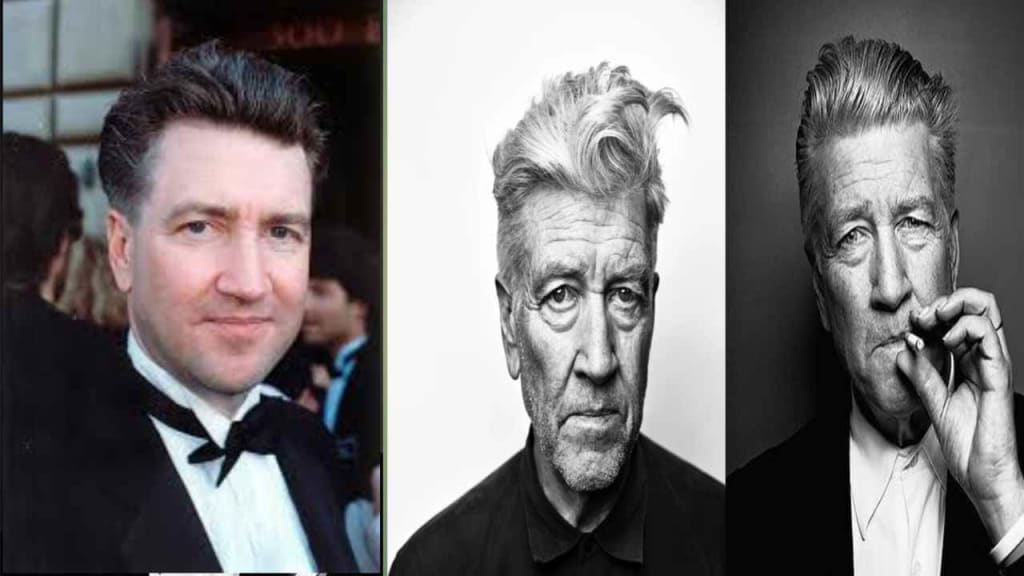
David Lynch, the legendary filmmaker who passed away in 2025 at the age of 78, was a master of weaving beauty and terror into unforgettable stories. His groundbreaking television series, Twin Peaks, remains one of the most iconic and uniquely American works in TV history. By blending mystery, surrealism, and small-town charm, Lynch created a show that explored the light and darkness of the American experience in a way no other series had.
The American Essence of Twin Peaks
At its heart, Twin Peaks is a quintessentially American story. It begins as a murder mystery set against the backdrop of majestic mountains and a tight-knit town. Lynch, along with co-creator Mark Frost, introduced audiences to a world where logging mills, diners, and high school dramas intertwined with the supernatural.
From the very first episode in 1990, the series drew viewers into its misty forests and eerie small-town streets. Its opening credits alone captured the essence of America: vast natural beauty mixed with industrial progress, a juxtaposition of peace and violence. It painted an image of a land steeped in history, haunted by spirits that predate civilization.
Folk Americana with a Dark Twist
Lynch had a knack for taking the familiar and infusing it with unsettling undertones. The town of Twin Peaks was built on Americana staples: cherry pie, coffee, and high school yearbook photos. Yet beneath this idyllic facade lurked secrets, sorrow, and malevolent forces.
The most chilling example of this duality was the concept of "garmonbozia," a representation of human pain and suffering that Lynch visually rendered as creamed corn in the prequel film Twin Peaks: Fire Walk With Me. It was a striking metaphor for how darkness can hide in the most mundane elements of life.
What made Twin Peaks remarkable was its sincerity. Lynch’s portrayal of terror and beauty wasn’t cynical. Instead, it reflected a deep curiosity about human nature. The show’s hero, FBI agent Dale Cooper, embodied this curiosity. Played by Kyle MacLachlan, Cooper was an eccentric but earnest investigator who dug deeper—into the woods, the mind, and even other dimensions—to uncover the truth about life’s horrors and wonders.
A Cultural Sensation
When Twin Peaks premiered on ABC in 1990, it was unlike anything else on prime-time television. Despite its surreal and experimental elements, the show became a pop-culture phenomenon, captivating audiences with its central mystery: “Who killed Laura Palmer?”
But Twin Peaks wasn’t just a murder mystery. It was a bold blend of genres, mixing soap opera melodrama, police procedural elements, and supernatural horror. The show wasn’t afraid to take risks, introducing cryptic characters like the Giant and the terrifying spirit Bob, along with dreamlike sequences in the mysterious Black Lodge.
Though it burned bright and brief—its original run lasting only two seasons—it left a lasting impact. Shows like Lost and Yellowjackets owe much to the trailblazing risks of Twin Peaks.
Twin Peaks: The Return
Lynch and Frost revived Twin Peaks in 2017 with an 18-episode sequel, Twin Peaks: The Return. Rather than relying on nostalgia, Lynch pushed the boundaries of storytelling even further. The series was visually daring and narratively complex, offering a fresh perspective on the world of Twin Peaks.
One standout episode, often cited as one of the greatest moments in television history, depicted the detonation of the atomic bomb in New Mexico in 1945. This stunning sequence, rendered in black and white and filled with surreal imagery, reflected Lynch’s fascination with the dual forces of creation and destruction. The episode unfolded like a visual poem, mixing horror, beauty, and profound mystery.
Lynch’s Lasting Legacy
Lynch’s work on Twin Peaks solidified his reputation as a visionary artist. He used television as a canvas to explore the human experience, blending the mundane with the extraordinary. The series was both deeply American and universally resonant, a meditation on the coexistence of horror and beauty in the world.
Agent Cooper’s iconic line from the pilot episode captures the spirit of Twin Peaks: “I’ve got to find out what kind of trees these are. They’re really something.” This simple observation reflects the show’s profound message: there is wonder to be found, even in the darkest places.
David Lynch’s Twin Peaks will forever stand as a testament to his ability to transform the medium of television into an art form. Its influence continues to inspire creators and captivate audiences, proving that
Conclusion
Twin Peaks was more than just a TV show—it was an exploration of America’s soul. Through its surreal narrative, haunting visuals, and unforgettable characters, David Lynch created a masterpiece that dared to look beneath the surface of everyday life. His legacy lives on, reminding us that beauty and terror often come hand in hand.
About the Creator
Who Is Clavicular? The Looksmaxxing Streamer Who Ran Over A Stalker In His Cybertruck
What is so damaging to this current culture is the ant-intellectualism which pervades nearly every element of it. Clavicular, real name, Braden Peters equivocates physical form with getting women, making money, and overall being a strong “man.”
By Skyler Saunders20 days ago in Critique



Comments
There are no comments for this story
Be the first to respond and start the conversation.