
The success and controversy of the adaptation of the series
Game of Thrones
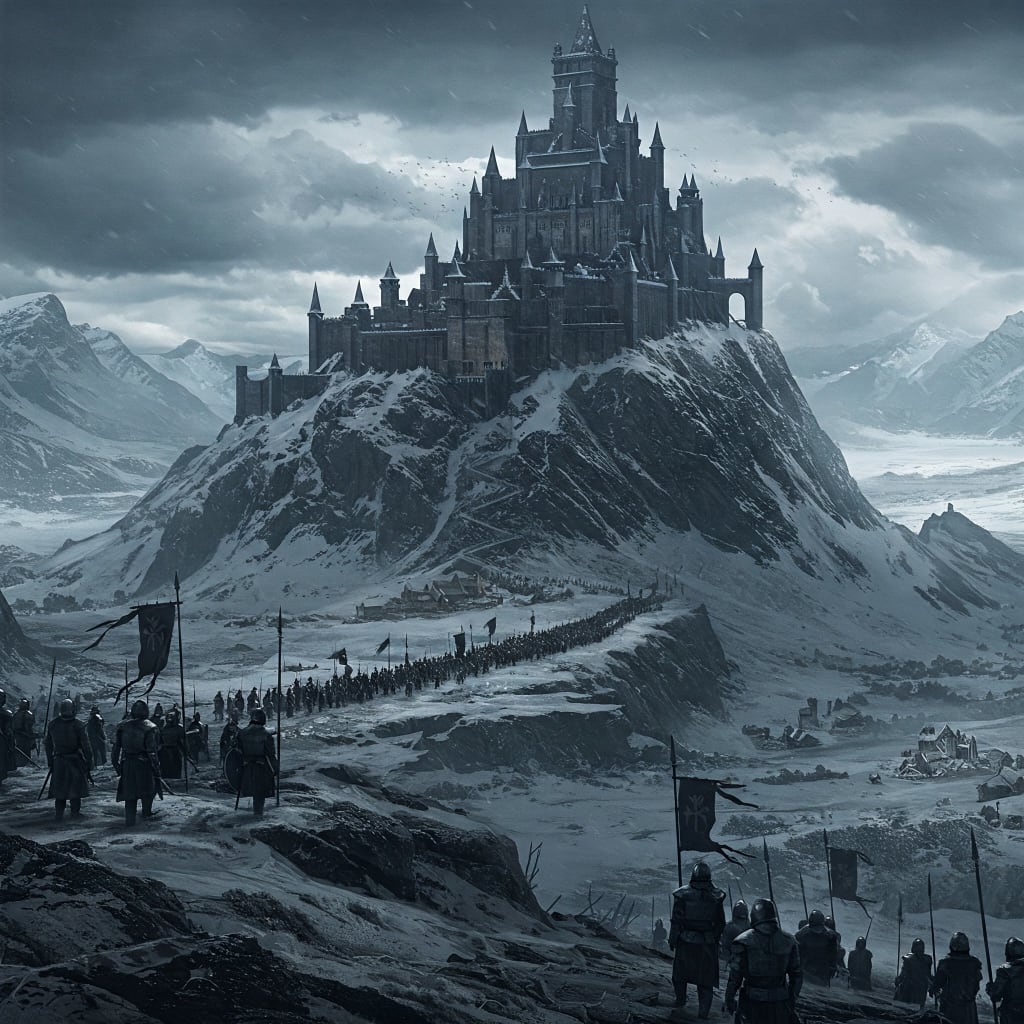
The Game of Thrones series became one of the most significant television adaptations, achieving massive success while also generating serious debates. Based on George R.R. Martin's "A Song of Ice and Fire" novel series, it captivated many readers with its complex world, well-developed characters, and unpredictable story. HBO’s adaptation became one of the most ambitious and high-budget series, attracting millions of viewers worldwide. It set new standards for fantasy storytelling on television and became a cultural phenomenon, inspiring countless discussions, fan theories, and even academic analyses.
The Success of the Series
Game of Thrones was outstanding not only financially but also in its cultural impact. Several factors contributed to its success:
Strong source material: Martin’s novels contained complex political intrigues, mythology, and character drama, providing an ideal foundation for a television adaptation. His detailed world-building and morally ambiguous characters set the story apart from traditional fantasy tropes.
High production quality: HBO allocated a massive budget for spectacular battle scenes, stunning sets, and visual effects, bringing Westeros to life in a way that felt cinematic rather than just televisual.
Diverse cast and performances: The series introduced many new actors who gained worldwide recognition, such as Emilia Clarke (Daenerys Targaryen), Kit Harington (Jon Snow), and Peter Dinklage (Tyrion Lannister). Their performances played a crucial role in making the characters memorable.
Unpredictable storytelling: The show became famous for its shocking deaths and plot twists, constantly surprising audiences. Unlike many other fantasy stories, it refused to follow traditional heroic narratives, making it both fresh and engaging.
Global fanbase: The series built an enormous international following that actively discussed each episode's events, analyzed the smallest details, and speculated about future developments. Fan theories became an integral part of the viewing experience.
Cultural and technological advancements: The show benefited from the rise of social media and streaming platforms, allowing it to reach an even broader audience and dominate global pop culture discussions.
The Biggest Controversies
Despite its massive success, Game of Thrones was not free from controversy. Some of the major points of debate included:
Reception of the series finale: The final season, especially the ending, was widely criticized for being rushed and failing to deliver satisfying character arcs. Many fans felt that major events, such as Daenerys’ downfall and Bran Stark’s ascension to the throne, were not given enough development.
Deviations from the books: While the early seasons remained faithful to the novels, later seasons overtook Martin’s work, and many fans felt that the storytelling quality declined. Without the books as a guide, the pacing and complexity of the plot suffered, leading to narrative inconsistencies.
Daenerys' character development: Her rapid transformation from a liberator to a tyrant in the final episodes divided audiences. While some saw it as foreshadowed, others felt it was rushed and inconsistent with her earlier characterization.
Jon Snow’s role: His fate and key decisions, such as killing Daenerys and returning to the Night’s Watch, did not meet many fans’ expectations. Many felt his arc lost meaning by the end.
Unresolved storylines: Several important narrative threads were abandoned or left unanswered, sparking even greater interest in the books. Questions about Arya's journey west, the true significance of Jon Snow’s parentage, and the deeper lore of Westeros remained unresolved.
The treatment of female characters: Some fans and critics argued that the show mishandled or underdeveloped its female characters, particularly in later seasons. Sansa Stark’s storyline involving Ramsay Bolton, for example, sparked debates about the depiction of sexual violence in media.
Potential spin-offs: HBO plans additional productions within the Game of Thrones universe, such as "House of the Dragon," which excites some fans while making others skeptical. Some wonder whether these spin-offs can recapture the magic of the original series or if they will be seen as attempts to capitalize on its popularity.
The rushed pacing of later seasons: One of the most frequent criticisms was that the last two seasons condensed too much story into too few episodes. While earlier seasons took their time building tension and developing characters, the later seasons moved at breakneck speed, leading to abrupt resolutions.
The Battle of Winterfell’s execution: While visually impressive, many fans criticized the battle for being too dark to see properly and for its strategic flaws, such as the Dothraki charge into the darkness. The way the White Walkers were defeated also left some fans unsatisfied, as the Night King’s buildup over several seasons ended in a sudden conclusion.
The Legacy of Game of Thrones
Despite the mixed reception of its final season, Game of Thrones remains one of the most influential television series of all time. It changed the way fantasy is perceived in mainstream entertainment, proving that the genre could be as serious and gripping as any historical drama. The show paved the way for other high-budget fantasy adaptations, such as Amazon’s "The Lord of the Rings: The Rings of Power" and Netflix’s "The Witcher."
HBO’s continued investment in the world of Westeros suggests that the impact of Game of Thrones will be felt for years to come. "House of the Dragon" has already garnered positive reviews, and additional projects exploring different aspects of the universe are in development.
Conclusion
Game of Thrones was a highly successful adaptation that had a significant impact on pop culture. However, its final season left many fans and critics disappointed, fueling heated discussions about its legacy. Regardless, the series has undoubtedly secured its place in television history and will likely remain a topic of debate for years to come. Whether through further adaptations or the eventual completion of the book series, the story of Westeros continues to captivate audiences worldwide.
About the Creator
Keep reading
More stories from Farkas Márk and writers in Critique and other communities.
A Feminist Analysis and Gender Questions in Game of Thrones
A Feminist Analysis and Gender Questions in Game of Thrones Game of Thrones, adapted from George R. R. Martin’s series "A Song of Ice and Fire," is a rich tapestry of power struggles, moral dilemmas, and deeply complex characters. Among its many layers, the series offers fertile ground for feminist analysis and an exploration of gender dynamics. With a vast array of female characters—each with distinct personalities, ambitions, and challenges—Game of Thrones raises thought-provoking questions about the role of women in a patriarchal society and their journey toward agency and empowerment.
By Farkas Márk 12 months ago in Critique
Who Is Clavicular? The Looksmaxxing Streamer Who Ran Over A Stalker In His Cybertruck
What is so damaging to this current culture is the ant-intellectualism which pervades nearly every element of it. Clavicular, real name, Braden Peters equivocates physical form with getting women, making money, and overall being a strong “man.”
By Skyler Saunders24 days ago in Critique
Silver Screen Magic with Mae West
American actress and singer Mae West became a popular film actress during the Great Depression. She started entertaining in vaudeville, then performed on Broadway, and finally went to Hollywood. She signed up with Paramount Pictures and made her debut in the 1932 film “Night After Night.” She also starred in musicals, comedies, and crime dramas. The American Film Institute named her one of the best classic Hollywood actresses.
By Rasma Raisters6 days ago in Geeks


Comments
There are no comments for this story
Be the first to respond and start the conversation.