
The Heart of Palestine
A Story of Pain, Strength, and Endless Hope More Than a Conflict—It’s About Ordinary People

The Heart of Palestine: A Story of Pain, Strength, and Endless Hope More Than a Conflict—It’s About Ordinary People
When people hear the word Palestine, many think only of war or politics. However, the complete story is not depicted in those headlines. They do not show the neighbourhood morning tea, the lullabies sung to children before bed, or the olive trees that have been preserved through the ages.
Palestine is a land of love, loss, joy, and longing in addition to strife. It’s a home. And behind every demolished building, every displaced family, there are stories. Real, human stories.
For over 75 years, Palestinians have faced occupation, displacement, and loss. But they have also shown a strength that defies logic—a quiet, steady resistance built on hope, heritage, and heart.
The Beginning of a Long Displacement
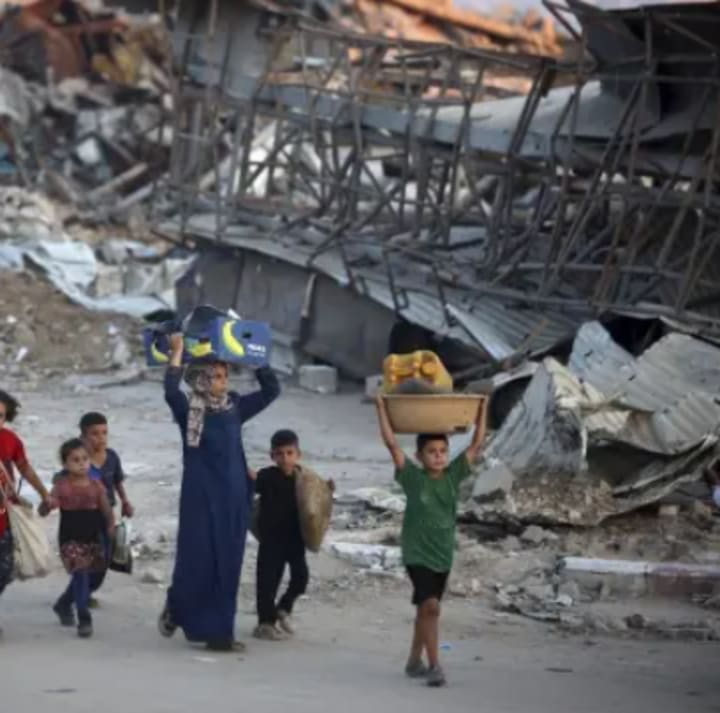
Over 700,000 Palestinians were expelled from their homes in 1948. Entire villages were emptied. Some families fled with only the clothes on their backs. Others locked their doors behind them, holding on to the keys, believing they’d return in a few days.
Those days turned into decades.
This tragedy is called the Nakba—“the catastrophe”—but it wasn’t just one moment in history. It’s still happening today. In refugee camps across Lebanon, Syria, Jordan, and the occupied territories, millions of Palestinians still wait, still hope, still carry those same keys.
Every Nakba Day, people gather not only to mourn, but to remember. To say, “We are still here. We haven’t forgotten.”
Living Life Under Occupation :Childhood With Fear at the Door
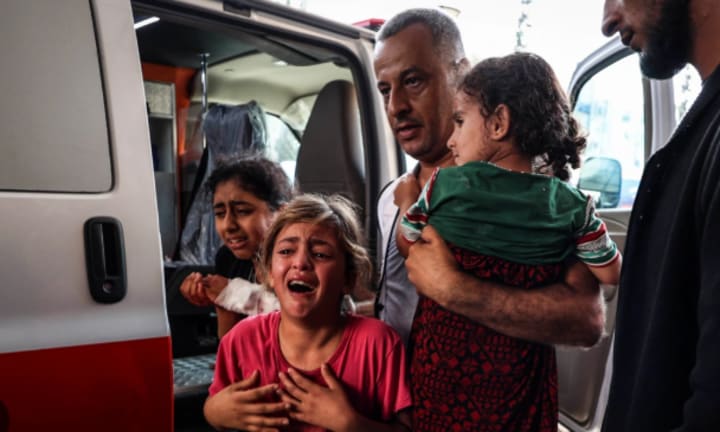
To grow up Palestinian means growing up with uncertainty.
It means waking up unsure if your home will still be standing tomorrow. It means navigating military checkpoints just to get to school. It means seeing classmates arrested, sometimes at night, taken from their beds.
In Gaza, many children don’t know what peace feels like. They draw pictures of planes and smoke instead of flowers and skies. But somehow, they still laugh, still play, still dream.
Losing Home Over and Over Again
In neighbourhoods like Silwan and Sheikh Jarrah, families are always afraid of being evicted. Israeli settlers evict Palestinians as they establish there. Soldiers stand watch as early-morning bulldozers destroy houses.
And yet, families return to the rubble, pick up the pieces, and keep going. They cook meals over small fires. They plant flowers next to the ruins. And they tell their children, “One day, this will be yours again.”
Gaza: A Life in Lockdown
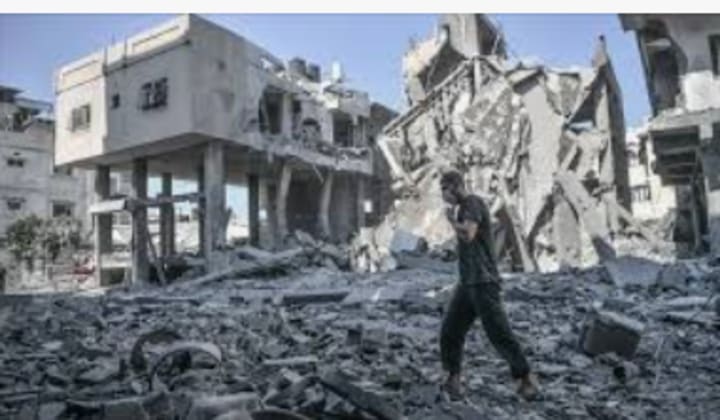
More than two million people live in Gaza, with half of them being children. It is frequently referred to as the biggest outdoor prison in the world.
Electricity cuts out daily. Clean water is a luxury. Hospitals run short of medicine. Young people win scholarships abroad but are denied permission to leave.
And yet, amidst all this, life continues. Couples still fall in love. Students still graduate. Children still fly kites made from torn plastic bags. It’s a place where joy refuses to die, no matter how dark the sky gets.
The Many Faces of Resistance
Resistance in Palestine isn’t always what people imagine.
It’s a farmer staying on his land even after his crops are burned.
Between the pages of a textbook, an adolescent is writing poetry by candlelight.
Like Shireen Abu Akleh, who was killed while performing her duties but whose voice continues to inspire millions, it's a journalist risking everything to tell the truth.
For Palestinians, resistance takes the form of merely living. Eating, studying, and loving are all acts of disobedience against a system that aims to eradicate them.
When the World Looks Away, People Rise Up
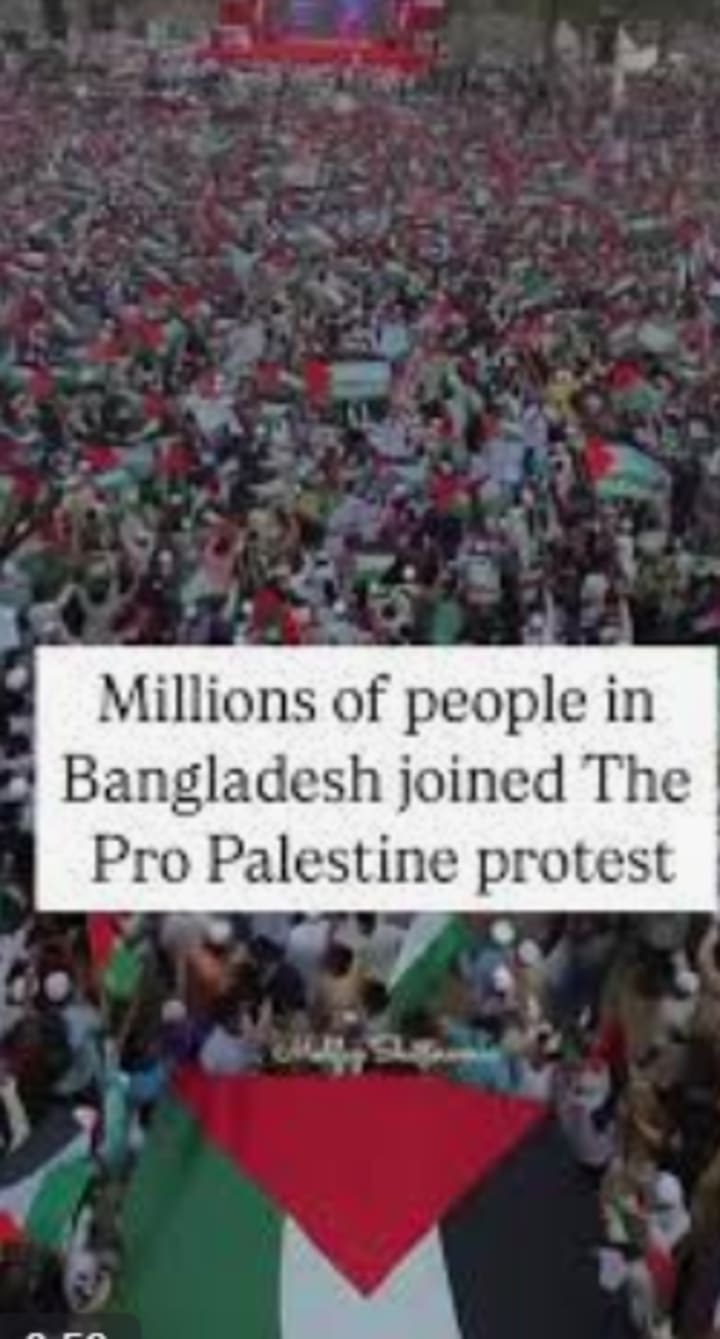
While many governments remain silent—or worse, complicit—ordinary people are waking up.
University students walk out in protest. Workers refuse to support companies that profit from occupation. Artists boycott festivals, writers raise their pens, athletes refuse to play.
Social media has shown what traditional media often hides. The world has seen:
A father carrying his injured daughter through smoke and fire.
A grandmother holding the deed to land that was stolen.
A child standing barefoot on rubble asking, “What did we do wrong?”
These images are not propaganda. They are pain. And they are waking people up.
What Palestinians Desire Is Simple
There is nothing outlandish that the Palestinians are requesting.
They want to live in safety.
They want the right to return to the homes they were forced to leave.
They want to raise their children without fear of bombs or bulldozers.
They want their prisoners—many of whom are held without charge or trial—to be free.
Most of all, they want dignity. A chance to live. To dream. To simply exist.
Palestine is a human story, not merely a story about a single location. About the type of world we hope to inhabit. When injustice lasts this long and we say nothing, our silence speaks volumes.
But there is hope. Always.
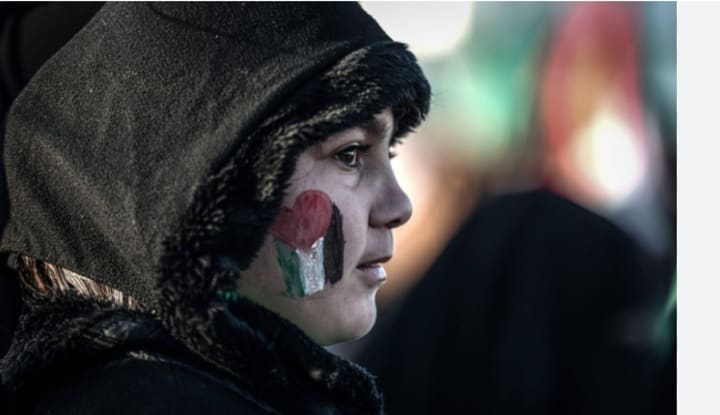
Hope lives in the child who builds a kite from scraps and flies it above the wall.
In the mother who sings her baby to sleep under a sky filled with drones.
In the teenager who writes poems in the corner of a crowded camp.
So long as there is breath in their lungs and fire in their hearts—Palestine lives.
And justice will be served eventually, but perhaps not anytime soon.
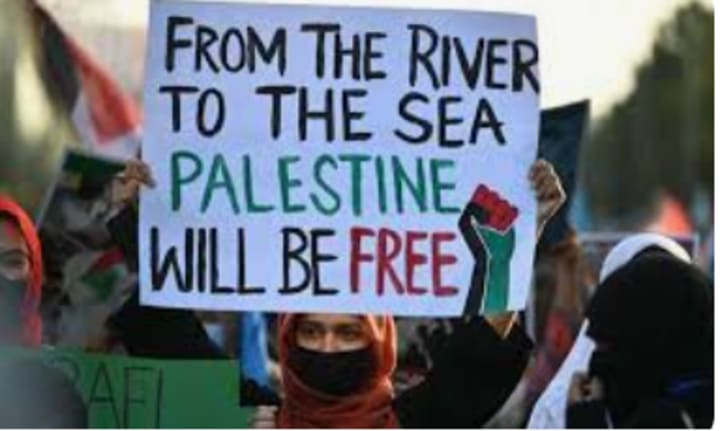
From the river to the sea, Palestine will be free.
About the Creator
Keep reading
More stories from writers in Critique and other communities.
Standing While Falling
Quotation from Friedrich Nietzsche "He who wrestles long with monsters should beware lest he himself become a monster. And if you gaze long into an abyss, the abyss also gazes into you. Man is not destroyed by suffering, but by the meaning he makes of it."
By LUCCIAN LAYTH9 days ago in Critique
Charleston White Responds As Viral Report Suggests A Shooting Has Left Him In Critical Condition
In this age of fake news, poor AI generated content, and outlandish rumors, it’s hard to keep up with the truth. That’s why Charleston White declared his existence on social media.
By Skyler Saunders2 days ago in Critique



Comments
There are no comments for this story
Be the first to respond and start the conversation.